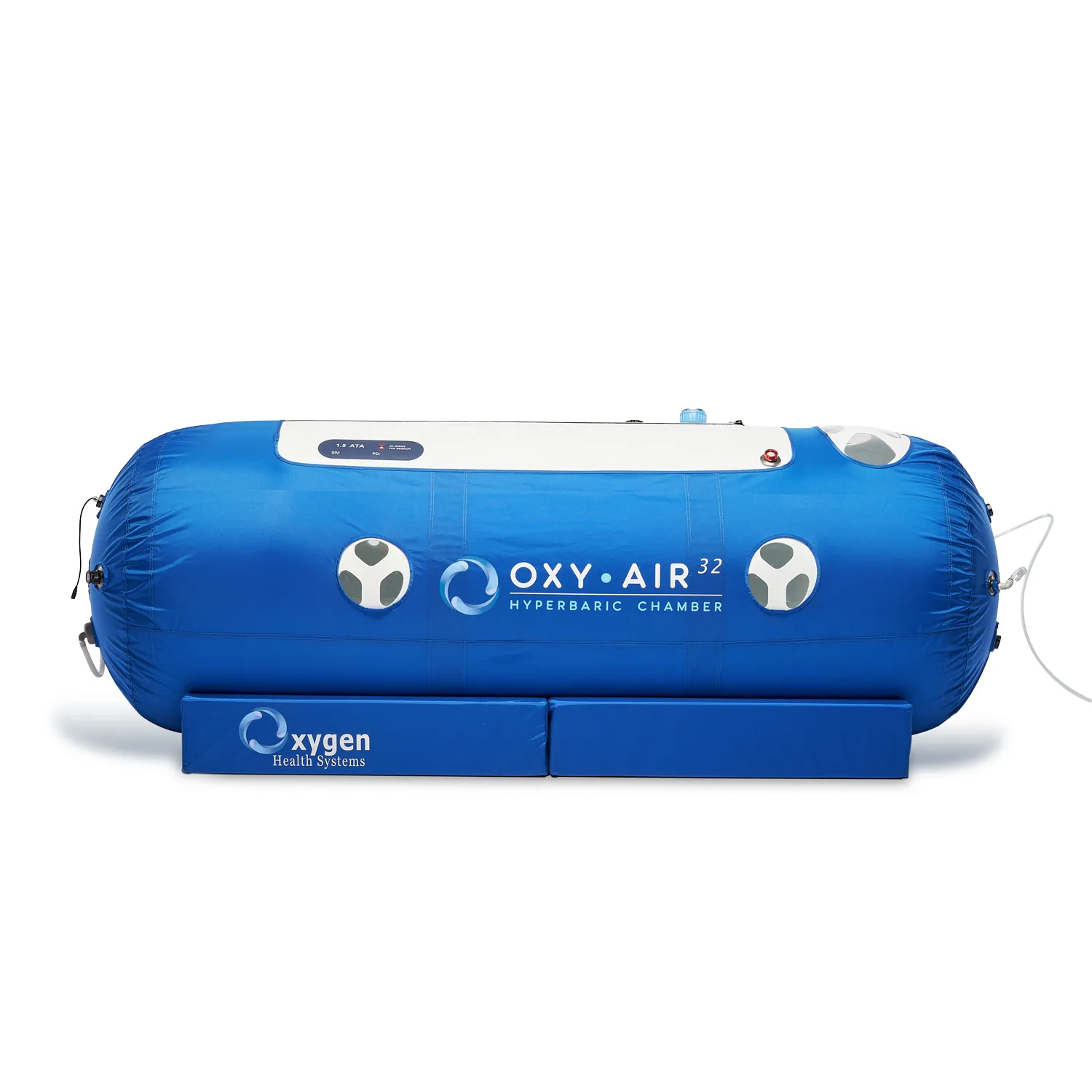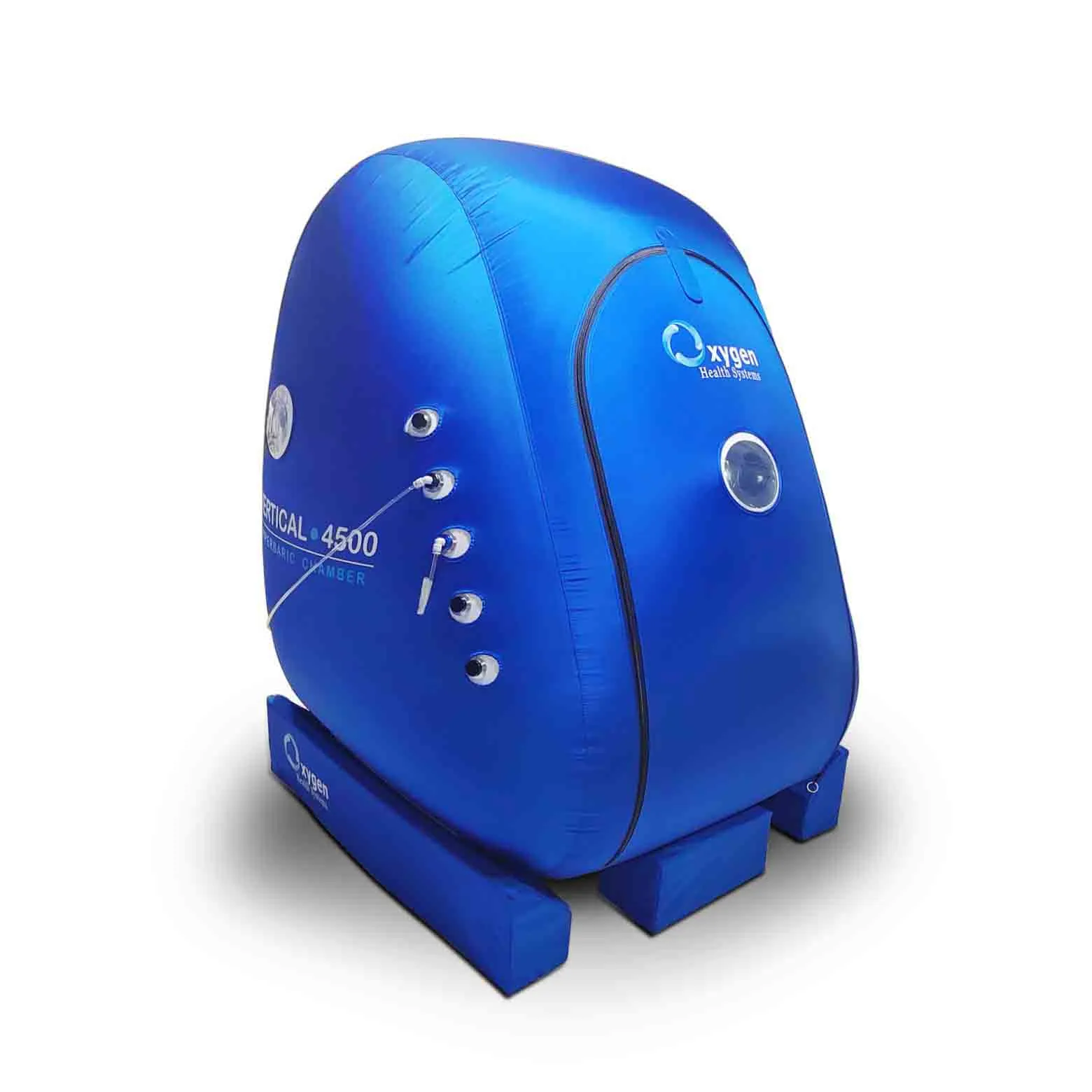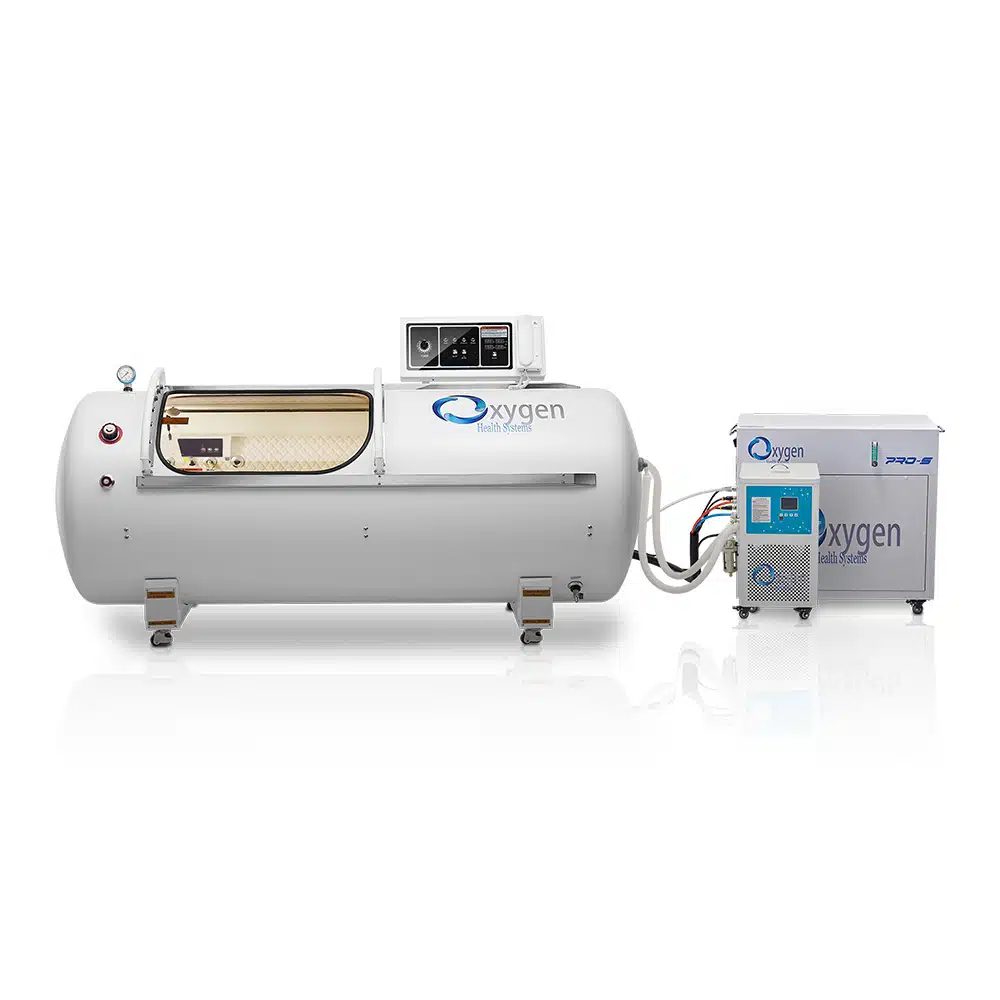

Hyperbaric Oxygen Chambers
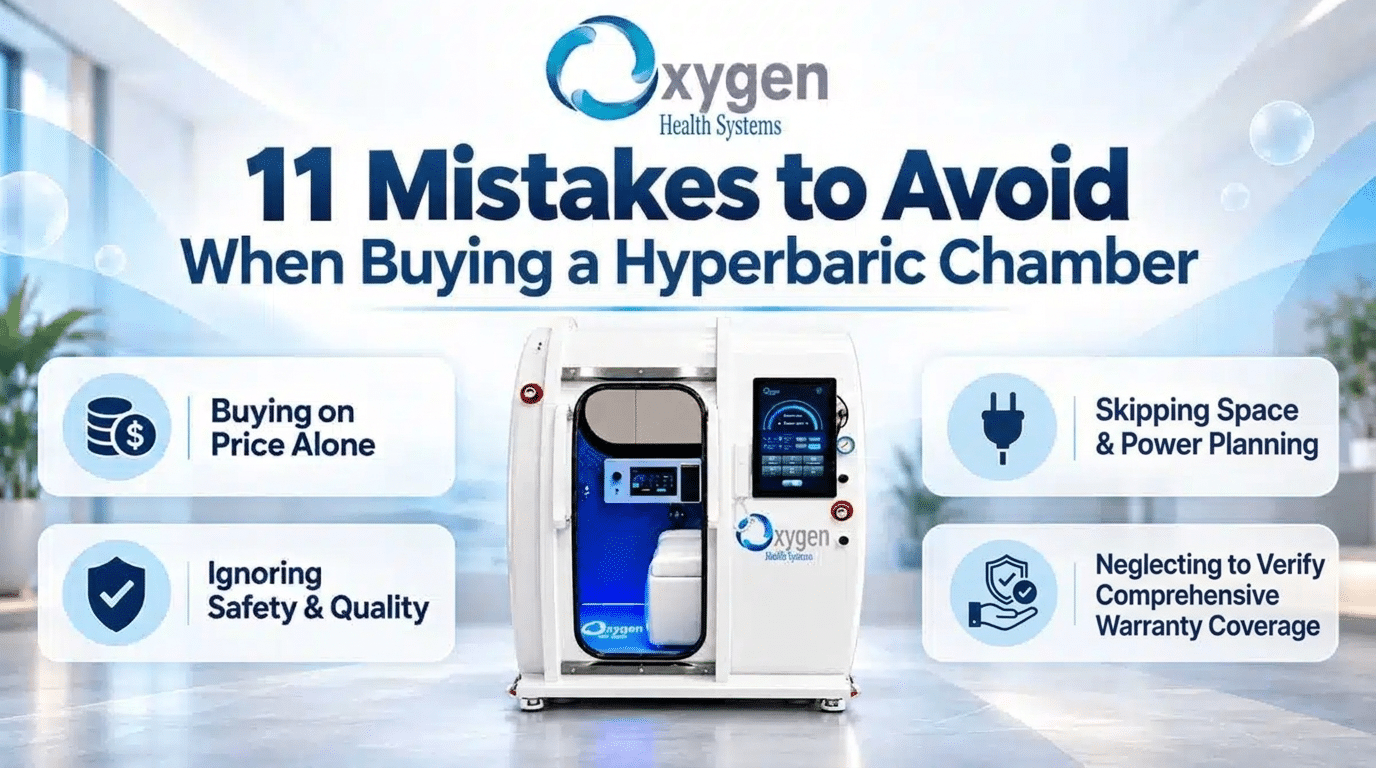
11 Mistakes to Avoid When Buying a Hyperbaric Chamber
Oct
Buying a hyperbaric chamber is a significant purchase, and it’s one most people only make once. That combination makes it easy to get wrong, because there’s no second attempt to learn from and the market has filled up quickly with sellers who appeared in the last eighteen months.
These are the ten mistakes we see most often, drawn from ten years of conversations with buyers, including a fair number who came to us after a purchase went badly somewhere else.
1. Shopping On Price Alone
Two chambers can look similar in photographs and sit thousands of dollars apart, and the gap is usually in the parts you can’t see in a listing. Shell construction, seal quality, relief valve specification, viewport grade, interior materials and the compressor all vary enormously.
Work out what you’re comparing before you compare prices. Ask for the specification in writing from every supplier on your shortlist, and put the documents side by side.
2. Not Checking How Long The Company Has Traded
Hyperbaric therapy has grown quickly, and new sellers have appeared to meet the demand. Some are serious operations. Others are websites built on top of an overseas factory catalogue.
Trading history is easy to check and it tells you a lot. Look at the domain registration date, the Google Business Profile creation date, the earliest reviews, and whether there’s any trace of the company before last year. Oxygen Health Systems has been trading for ten years, which means there are a decade of customers, a decade of service history and a decade of reviews to look at.
3. Skipping The Google Business Profile
A Google Business Profile is one of the most useful checks available and it takes about a minute. Look for a verified profile with a real address, photographs of an actual premises, a review history that stretches back years, and responses from the business.
A seller with no profile, or a profile created recently with a handful of reviews all posted in the same month, is worth a much closer look before you send any money.
4. Accepting Vague Certification Claims
Certification language can sometimes be confusing, as standards may apply to a specific component, individual model, or an entire product range.
At Oxygen Health Systems, we believe in being clear about the scope of our certifications. Our certification information is published openly on our Certifications page, with applicable standards and certifications identified by product or company scope.
One chamber in our product range holds ASME PVHO-1 certification. Oxygen Health Systems also maintains ISO 13485, ISO 9001:2015, and ISO 14001 certifications at the organizational level.
5. Buying Without Seeing A Chamber In Person
Photographs flatten everything. Build quality, finish, the weight of the door, the clarity of the viewport and the noise of the compressor are all things you understand in thirty seconds standing next to a unit and never fully understand from a website.
If a supplier has a showroom, go. If a supplier has no premises you can visit anywhere in the country, ask yourself where the chambers actually are. Plenty of buyers travel to our <u>Chicago area showroom</u> specifically to compare two models side by side before deciding.
6. Assuming Support Is Included
Support is where the gap between suppliers gets widest, and it’s the thing buyers think about least at the point of purchase.
Ask three specific questions. Where is the support team physically located? What hours are they available? Can you speak to a person on the phone, or is it a ticket form only? Our support team is US based and available seven days a week.
7. Not Planning The Installation Space
Chambers need clearance around them, an appropriate power supply, a floor that can take the weight, adequate room ventilation and a route into the room that the chamber will actually fit through.
Measure the doorways, the corridor and any turns before you order. Ask your supplier for the full installation requirements in writing, and send them the dimensions of your space. We go through this with every buyer before the order is confirmed.
8. Underestimating Training
A chamber is operated equipment, and the difference between a comfortable session and an uncomfortable one usually comes down to whether the operator understands equalisation and compression rates.
Training should be included and it should be specific to the chamber you’ve bought. We include free Zoom training with every chamber, and we walk through the operation, the safety checks and the maintenance schedule on that call.
9. Ignoring Maintenance And Parts Availability
Seals wear, viewports have inspection intervals and compressors need servicing. Before you buy, find out what the maintenance schedule is, what the consumable parts are, what they cost and how long they take to arrive.
The question behind all of that is whether the supplier will still be there. A company holding parts stock in the US for equipment it has sold for years is a different proposition to a website that’ll forward your enquiry to a factory overseas.
10. Not Asking About Customization Until It’s Too Late
Plenty of buyers order a standard unit and then realise afterwards that a different size, a different configuration or a different finish would have suited the space or the use case far better.
Customization is usually possible if you raise it before the build starts. Sizing, configuration and finish are all things we work on with buyers, and our chamber Customization options cover everything from internal dimensions to viewport placement. For clinics, gyms and wellness centres we regularly build to a specific room or a specific throughput requirement. Bring it up in the first conversation and you’ll have options.
11. Not Factoring in the ergonomics and comfort
You may spend an hour or more inside your hyperbaric chamber, so ergonomics and comfort matter. Consider how easily you can enter and exit, especially with knee, hip, or mobility issues. Larger vertical walk-in chambers allow you to step in, sit upright, and relax in a recliner. Their greater interior volume can also feel less restrictive for people concerned about claustrophobia. Temperature and humidity matter too, so consider room temperature and available air-conditioning options before choosing your chamber.
Working Through Your Shortlist
If you’re comparing suppliers right now, go through this list and score each one. Trading history, verifiable premises, documented certifications, real support, included training, parts availability and Customization options will separate a serious manufacturer from a reseller quickly.
Oxygen Health Systems has been building and supplying hyperbaric chambers for ten years from our base near Chicago. If you’d like to talk through any of the points above, or visit the showroom, our team is available seven days a week.