
Hyperbaric Oxygen Therapy
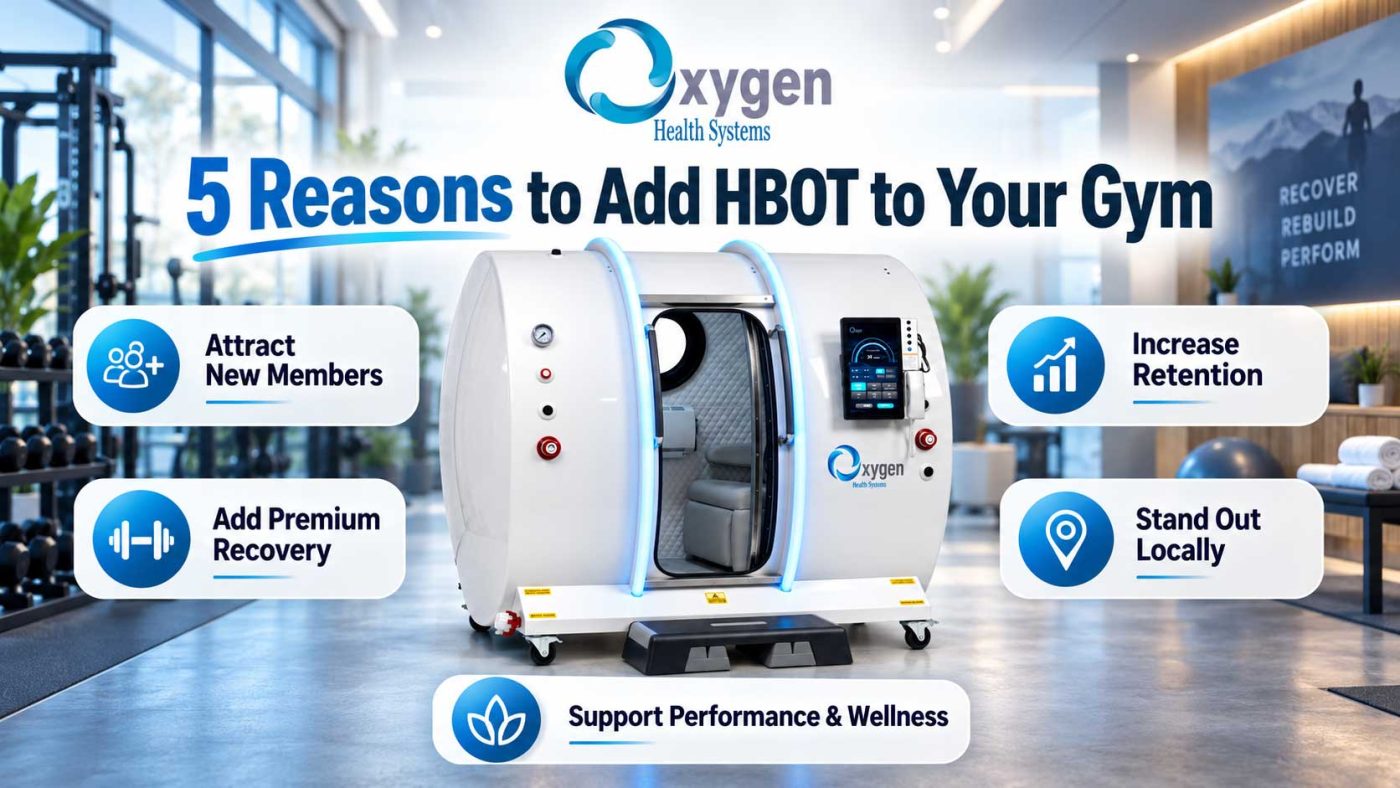
5 Reasons to Add HBOT to Your Gym
Sep
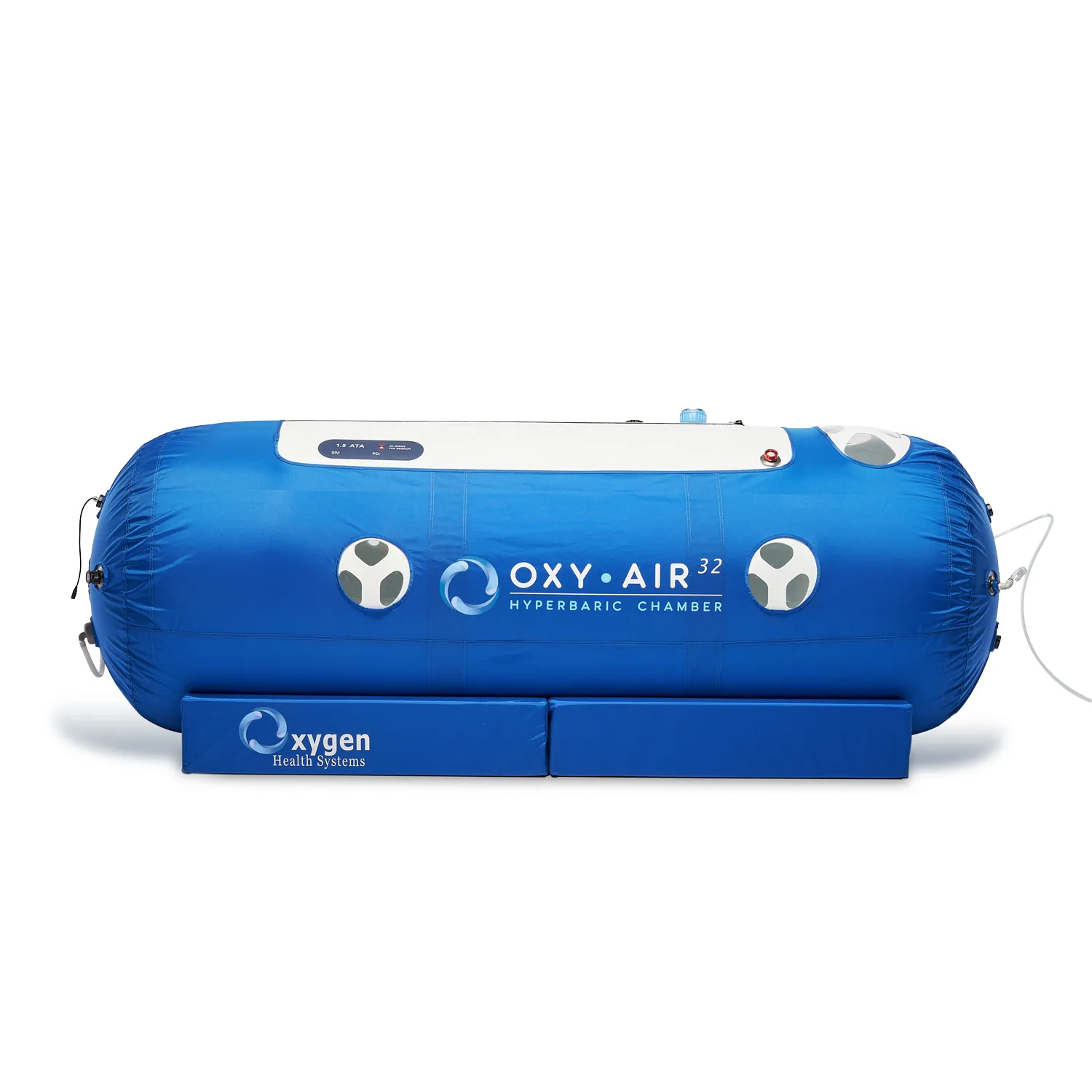
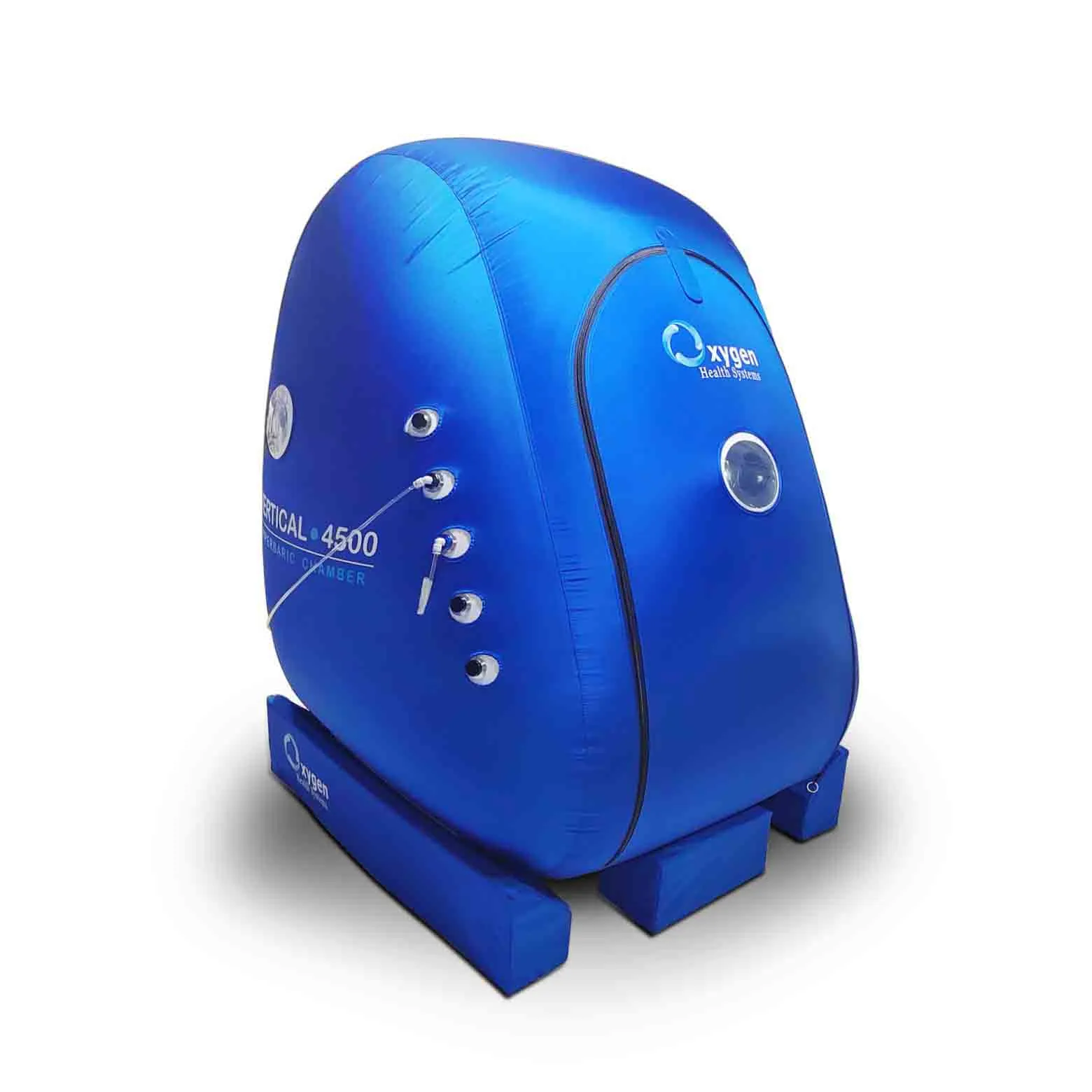
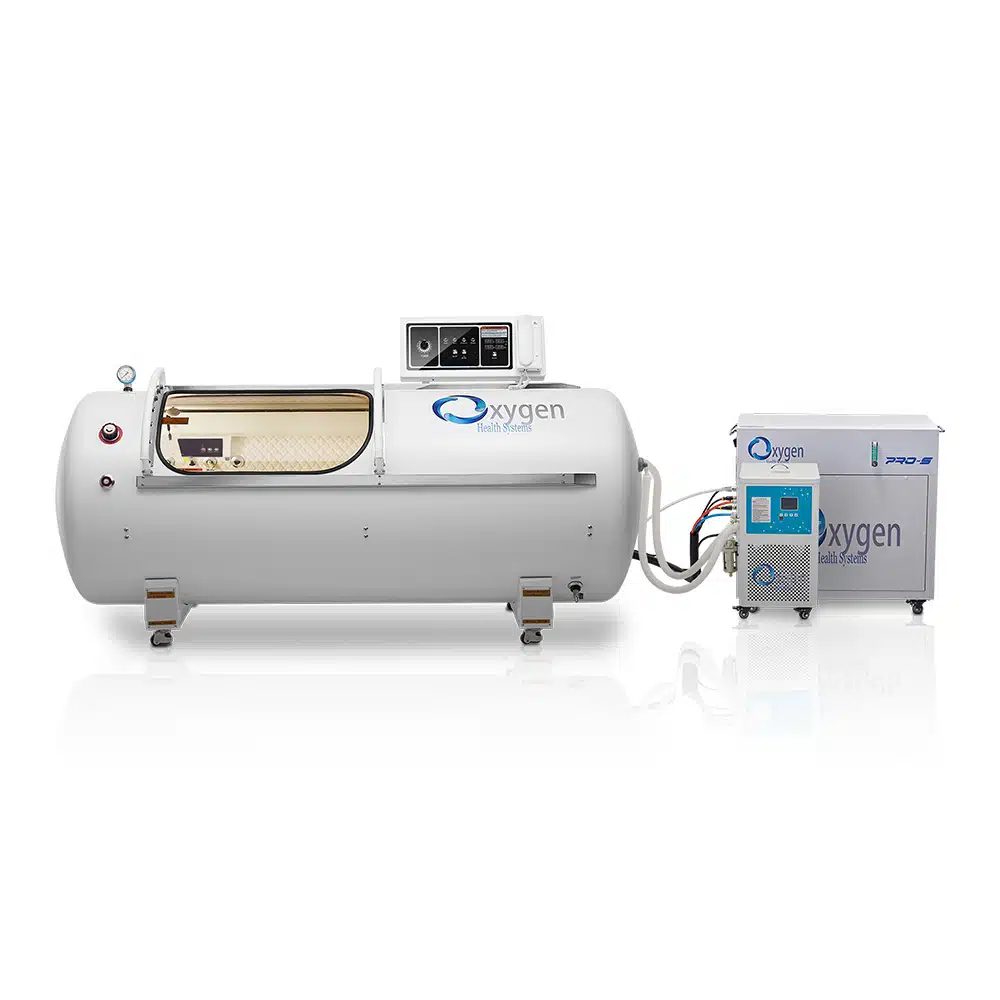
Hyperbaric oxygen therapy involves sitting or lying inside a sealed chamber at a pressure above normal atmospheric pressure while breathing oxygen-enriched air. The raised pressure increases the amount of oxygen dissolved in blood plasma, which is the mechanism behind everything else the therapy is studied for. Chambers used in fitness and wellness settings typically operate between 1.3 and 2.0 ATA, and sessions usually run 60 to 90 minutes.
Gyms have been adding hyperbaric chambers alongside saunas, plunge pools and compression units since recovery became a category members will pay for separately. Below are five reasons operators give for making the investment, along with what you’d need to verify before following them.
1. Members Are Already Buying Recovery Somewhere
The demand exists whether or not you serve it. Members who train seriously are booking sports massage, cryotherapy and hyperbaric sessions at standalone studios, and paying full retail for the privilege. Every one of those bookings is revenue leaving your building.
Capturing it works because the friction is low. A member who’s already on site for a training session will book a recovery slot in a way they won’t if it means a second journey across town. That convenience advantage is the single strongest commercial argument for putting recovery services inside a gym.
You can test the demand before you spend anything. Survey your members on what recovery services they currently pay for and where, then look at how many name a service you could offer. Operators are often surprised by how much spend is already going elsewhere.
2. The Research Base Is Stronger Than It Used To Be
Your staff need to be able to answer a member who asks whether it works, and the evidence has improved enough to give them something substantive.
A 2025 systematic review and meta-analysis in the Archives of Physical Medicine and Rehabilitation pooled 10 randomised controlled trials covering 299 participants and reported that hyperbaric oxygen therapy significantly accelerated recovery from exercise-induced muscle injury. The trials varied in protocol and the total sample is modest, so treat it as a promising signal from a developing evidence base.
The picture isn’t uniformly positive, which is worth knowing before your marketing gets ahead of you. A single-blind crossover trial published in 2025 gave nine participants one 60-minute session at 2.5 ATA after moderate-intensity cycling and found that the study couldn’t determine efficacy for exercise-induced fatigue, though self-rated recovery scores suggested a possible effect on perceived fatigue. One session in a small group isn’t the same intervention as a repeated protocol over weeks, and the authors say so.
Train your team to talk about repeated use, perceived recovery and sleep quality, and to avoid promising performance outcomes. If they want the underlying physiology explained in plain terms first, the OHS introduction to hyperbaric oxygen therapy is a reasonable starting point for internal training.
3. Revenue Per Square Foot Is Strong
A chamber occupies roughly the footprint of a small office or a converted storage room. Compare that to what the same square footage generates as additional floor space for equipment that’s included in the base membership, and the arithmetic starts to favour the chamber in most facilities.
The reason is the pricing structure. Floor space earns whatever your monthly membership divides down to. A bookable session earns a separate fee every time it’s used, and it’s used by appointment, which means you can schedule it around your peak hours.
Utilisation is what makes or breaks this. A chamber booked twice a day performs very differently from one booked six times a day, and the difference usually comes down to whether sessions are visible in your booking app and whether your front desk actively offers them. Before committing to a purchase, run your own member numbers, session pricing and expected utilisation through our <u>ROI calculator</u> to see what payback period your facility would actually be looking at.
4. It Gives Your Trainers Something New To Sell
Personal trainers hit a revenue ceiling defined by the hours they can physically work. Recovery services break that ceiling because a trainer can sell a session they don’t have to deliver themselves.
In practice this shows up in three formats. Trainers bundle recovery sessions into block-booked PT packages at a premium. They prescribe recovery as part of a training programme, which makes the session feel like a scheduled part of the plan. And they use it as a retention tool with clients who are training hard and starting to feel it.
There’s a staffing implication worth planning for. Your trainers will need enough grounding in the service to answer questions confidently, and someone has to be trained to operate the chamber safely. Suppliers who include training as part of the purchase save you a recurring cost here, particularly in a facility with regular staff turnover.
5. It Separates You From Budget Competition
Price-led gyms compete on monthly cost, and that competition gets harder every year. A recovery offering changes what you’re selling. Members comparing your facility against a budget chain are no longer comparing two rooms full of similar equipment at different prices.
This matters most for mid-market and premium operators whose membership fee needs justifying. A hyperbaric chamber, particularly one built to a recognised engineering standard, signals a level of investment that’s difficult for a competitor to match quickly. It also opens conversations with local sports clubs, physiotherapy practices and running groups who want somewhere to send their members.
The positioning only works if the equipment holds up under commercial use. Home-market chambers are built for a handful of sessions a week, and a gym floor will run one far harder than that. Ask suppliers about duty cycle, service intervals and what certifications the specific model carries, because specifications vary considerably across a product range.
What To Verify Before You Commit
Five practical checks separate a good investment from an expensive room:
- Access route. Measure doorways, corridor turns and lift dimensions as well as the room.
- Electrical supply. Confirm the circuit requirement with your electrician before the delivery date.
- Insurance. Speak to your provider early, since approval can take longer than delivery does.
- Staff cover. Decide who operates the chamber during each shift and what happens on their day off.
- Support terms. Establish the warranty length, the service interval and how quickly a supplier responds when a unit stops working.
How Quickly Bookings Build
Recovery services rarely fill from launch, and the financing plan should reflect that. The pattern operators describe tends to run across three phases. The first six weeks bring early adopters, usually members who already pay for recovery somewhere else and have been waiting for a closer option. The following two months depend almost entirely on whether that first group talks about the experience, which is why their sessions matter more than any advertising you run alongside the launch.
From month four onward, bookings shift toward trainers building sessions into client programmes and members upgrading to a recovery-inclusive tier. That’s the point where utilisation becomes predictable enough to plan staffing around. If you’re financing equipment, set the repayment schedule against that curve and check that the early months still work at low booking volumes.
At Oxygen Health Systems, you get chambers engineered for commercial session volumes, free Zoom training so your team can operate confidently from day one, and support seven days a week from a US company with ten years in the industry. Browse our ASME code compliant chambers to compare pressures, capacities and footprints for a gym installation.
Frequently Asked Questions
How much space does a hyperbaric chamber need in a gym?
Most commercial chambers need a dedicated room or partitioned area with clearance on all sides for entry, servicing and airflow. Measure your access route as carefully as the room, because corridors and lifts are where installations most often run into trouble.
What should a gym charge for a hyperbaric session?
Pricing depends on your local market and what standalone recovery studios nearby are charging. Many gyms position single sessions as a premium purchase and then offer better per-session rates inside membership tiers or multi-session packages.
Is hyperbaric oxygen therapy safe for general gym members?
Chambers used in wellness settings operate at modest pressures and have an established safety record when operated by trained staff following the manufacturer’s protocol. You’ll still need a screening process, since some conditions mean a member shouldn’t use a chamber without speaking to their doctor first.
How often would a member need to use it?
Research protocols generally use repeated sessions over a period of weeks. For commercial purposes that’s useful, because it supports package and membership pricing.
Do staff need a formal qualification to run a chamber?
Requirements vary by state and by insurer. Manufacturer training on operation, screening and emergency procedures is the baseline, and your insurance provider will tell you what documentation they expect to see alongside it.
Sources
- Effects of Hyperbaric Oxygen Therapy on Exercise-Induced Muscle Injury and Soreness: A Systematic Review and Meta-analysis, Archives of Physical Medicine and Rehabilitation (2025): https://www.sciencedirect.com/science/article/abs/pii/S000399932500824X
- Effect of one session of hyperbaric oxygen (2.5 ATA for 60 min) after moderate-intensity exercise on fatigue: a single-blind crossover randomized trial, Frontiers in Sports and Active Living (2025): https://pmc.ncbi.nlm.nih.gov/articles/PMC12657487/