
Home Hyperbaric Chamber
How a Multiplace Hyperbaric Chamber Helps Families
Sep
Most conversations about hyperbaric oxygen therapy focus on the individual: one person, one chamber, one session. But a meaningful share of interest in hyperbaric wellness comes from families and couples who want to go through the experience together, whether that’s for shared wellness routines, convenience, or simply not wanting to do a recovery session alone. That’s where multiplace hyperbaric chambers come in.
This article explains what a multiplace chamber is, how it differs from the single-person chambers most people picture, and the practical considerations families and couples should think through before using one together.
What “Multiplace” Actually Means
In hyperbaric terminology, chambers are generally categorized as either monoplace (built for one person) or multiplace (built to accommodate two or more people at once). The distinction isn’t just about size. It reflects a different design and, in clinical settings, a different operational model.
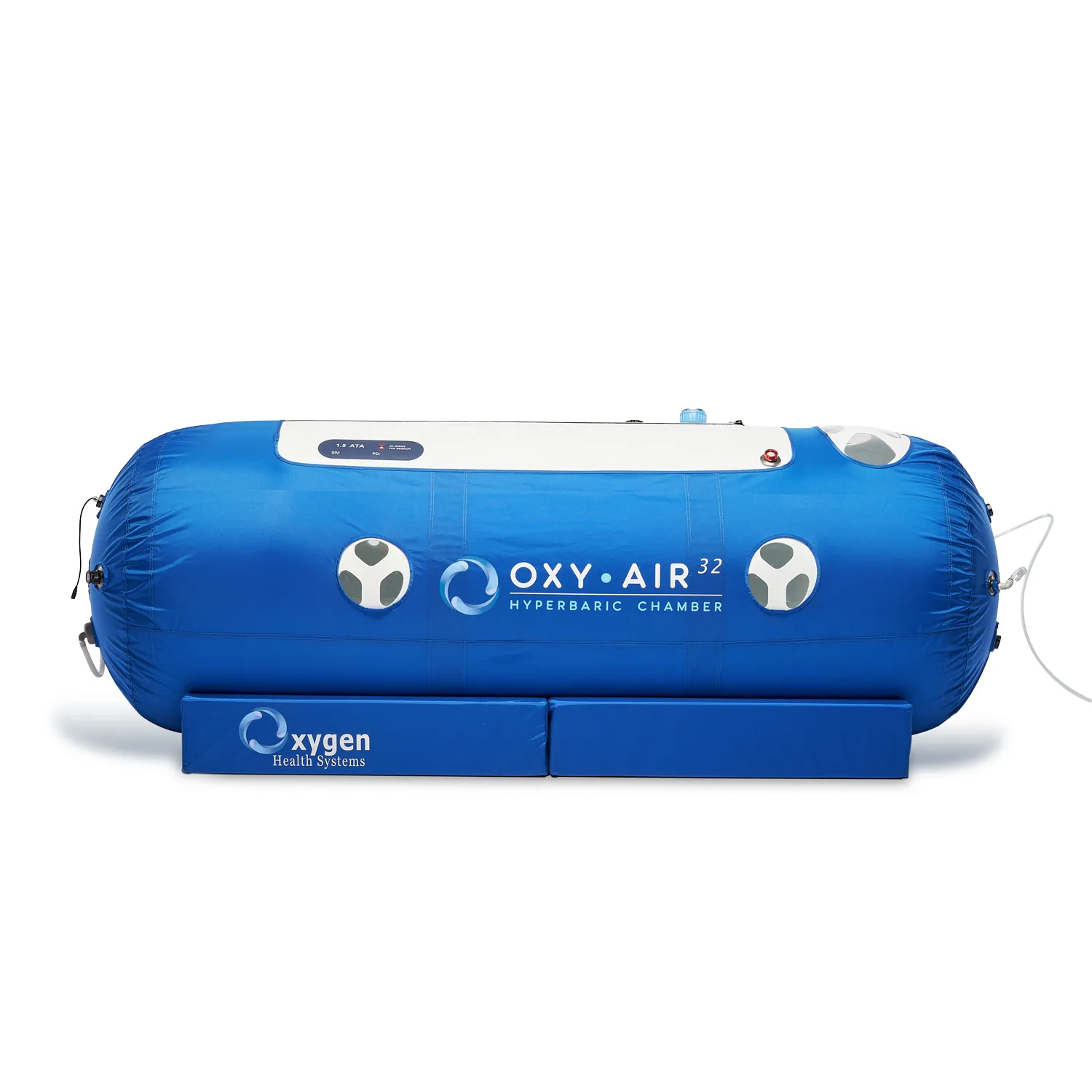
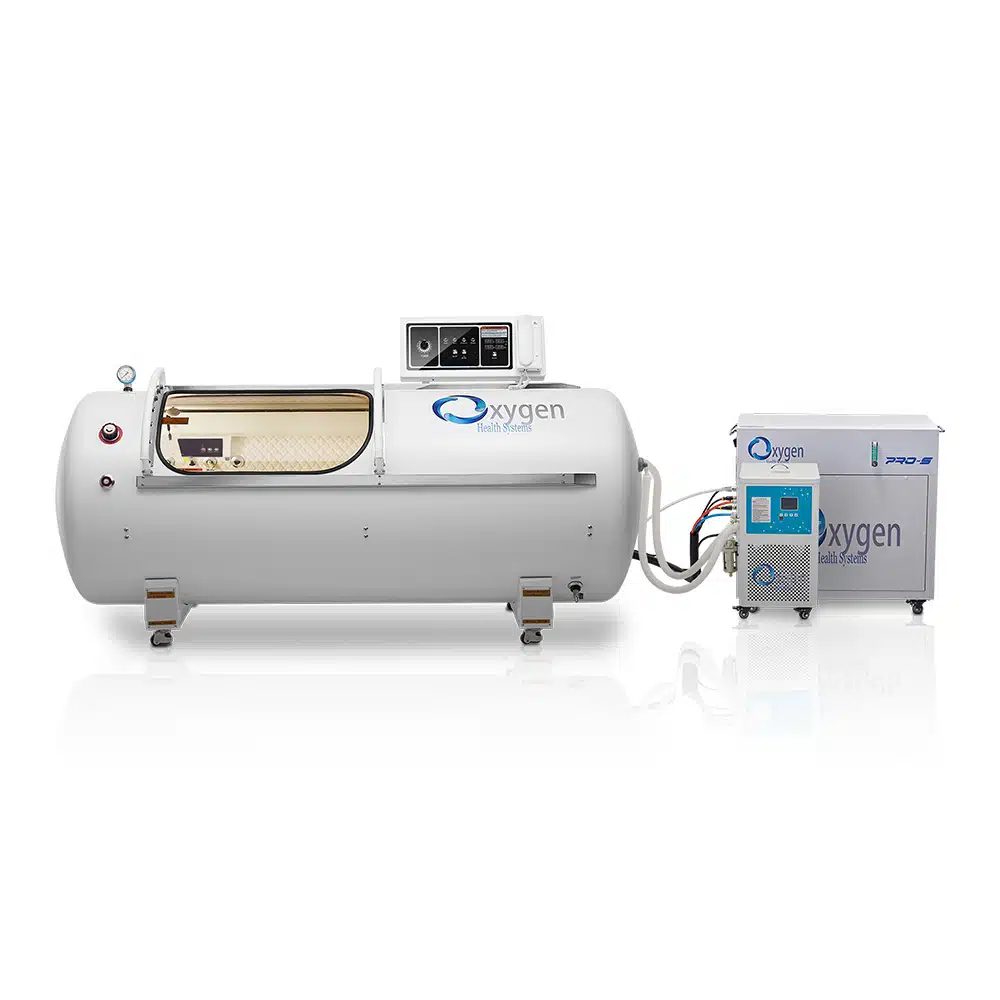
Monoplace chambers are typically long, single-occupancy units, often acrylic-walled, where the entire chamber is pressurized and the individual lies down for the duration of the session. Multiplace chambers are larger, room-like structures where multiple people sit together and typically breathe supplemental oxygen through a mask or hood while the surrounding chamber is pressurized with regular air. In hospital settings, multiplace chambers may also accommodate a clinician inside the chamber alongside patients, which is one of the operational reasons hospitals use this design for cases requiring in-chamber monitoring or intervention.
For a family or wellness-oriented setting, the appeal of a multiplace chamber is more straightforward: it’s built to let more than one person use the chamber during the same session, in the same space, at the same time.
Why Families and Couples Consider Shared Sessions
There are a few practical reasons shared sessions in a multiplace chamber appeal to families and couples specifically.
Convenience and shared time. For couples or family members who are both interested in hyperbaric wellness sessions, a multiplace chamber means one scheduled session covers everyone, rather than sequential individual appointments. For busy households, that logistical simplicity is often the primary draw.
Support for family members who feel anxious in enclosed spaces. Some individuals are hesitant to try a hyperbaric chamber alone due to mild claustrophobia or general unfamiliarity with the experience. Being in a larger, shared chamber with a familiar person can meaningfully ease that first-time anxiety compared with an individual monoplace session.
Shared wellness routines. Just as some families share other wellness practices (sauna use, morning walks, structured exercise), some build shared hyperbaric sessions into a joint routine, treating it as time spent on wellness together rather than a solitary medical-feeling procedure.
Practical supervision for family members who may need it. For families with an older adult or a family member who benefits from having someone nearby during a new wellness activity, a shared session provides that built-in presence without requiring a separate chaperone arrangement.
What to Expect in a Shared Session
A multiplace session generally involves each person seated or reclined within the larger chamber, typically wearing a mask or hood to breathe supplemental oxygen while the chamber itself is pressurized with regular air. Sessions usually last somewhere in the range of 60 to 90 minutes, though this varies by facility and protocol. Because the chamber accommodates multiple people, the experience tends to feel less clinical and more communal than a monoplace session. Conversation is often possible, and there’s less of the isolated, enclosed sensation that comes with lying alone in a narrow single-person chamber.
It’s worth noting that pressure levels and protocols in multiplace settings vary depending on whether the facility is operating in a clinical, FDA-regulated treatment context or a general wellness context, the same distinction that applies to any hyperbaric chamber use. Families should ask directly what pressure level and protocol a given facility uses, and understand that a shared, wellness-oriented multiplace session is a different service than clinical multiplace treatment for a diagnosed medical condition.
What Multiplace Chambers Look Like for Home and Wellness Use
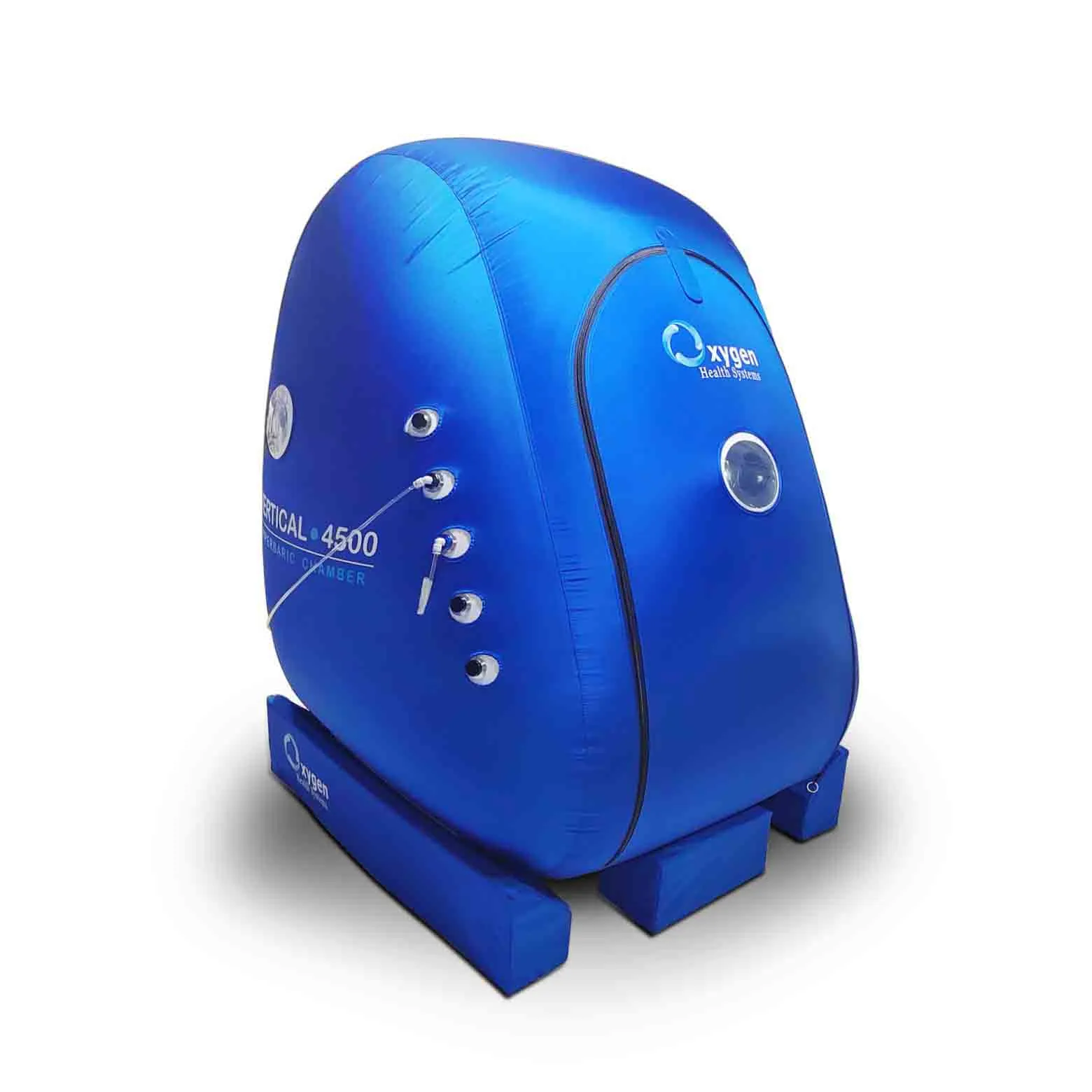
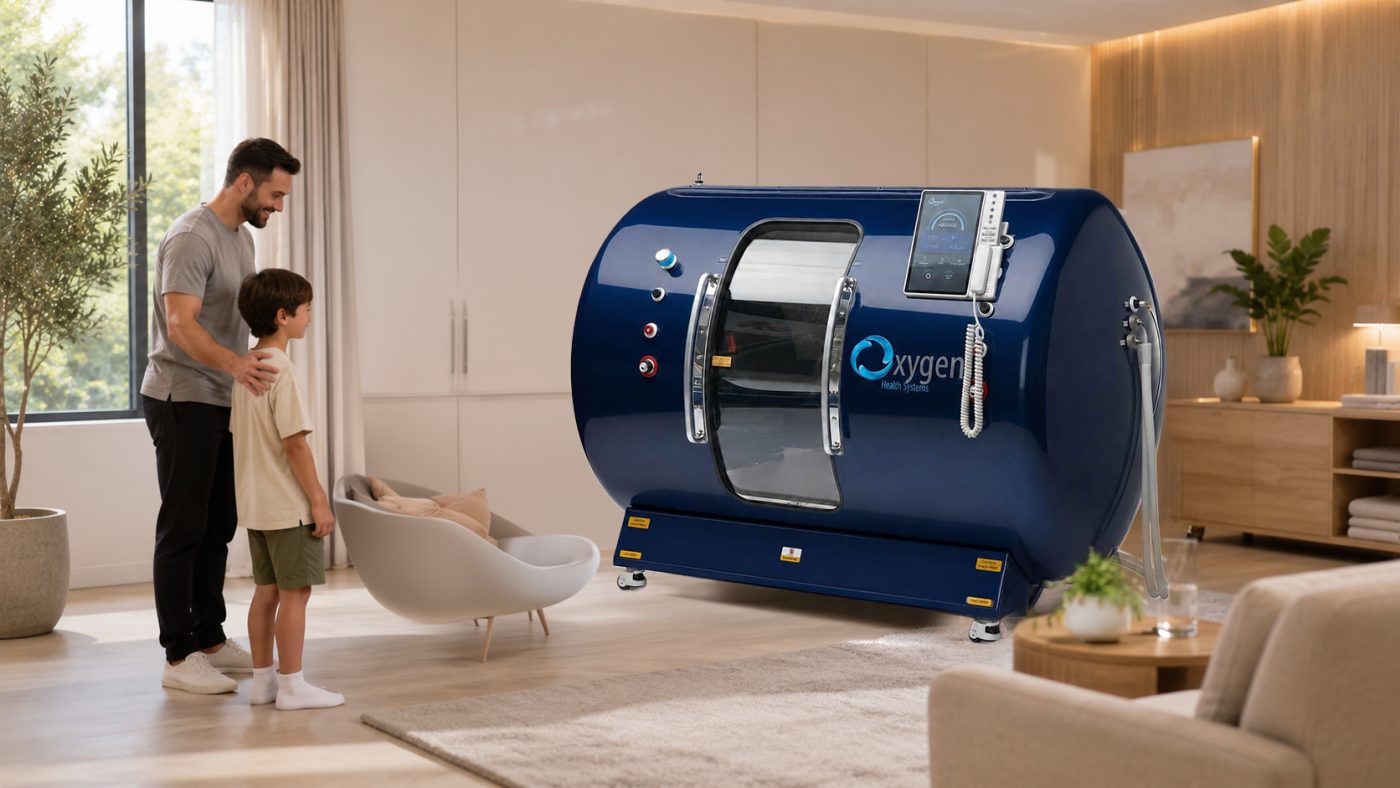
Multiplace chambers built for wellness and family use look different from the hospital-scale rooms described above. Oxygen Health Systems, for example, manufactures a multiplace lineup, the XLS40, M5500, and EXS64, using a simple walk-in design suited to home, clinical, and wellness-center settings rather than a full hospital department. These are built under the same ISO 9001, ISO 13485, and ISO 14001 certified manufacturing as the company’s soft and hard single-person chambers, with a three-year manufacturer’s warranty and US-based support. For a family or couple deciding between an individual chamber for each person versus a shared walk-in unit, this category of multiplace chamber is generally the relevant comparison point, rather than the large institutional multiplace rooms used in hospital hyperbaric departments.
Considerations Before Booking a Shared Session
A few practical things are worth thinking through as a family before booking:
Individual health history still matters. Sharing a chamber doesn’t change the fact that hyperbaric oxygen exposure has individual contraindications. Certain lung conditions, some ear and sinus issues, pregnancy, and certain medications carry precautions regardless of whether you’re in the chamber alone or with family. Each person should independently discuss hyperbaric use with a physician, even if everyone else in the group is proceeding.
Not everyone equalizes pressure at the same rate. Ears and sinuses adjust to pressure changes differently from person to person. A shared session moves at a pace suited to the group, which is worth considering if one family member has more sensitive ears or sinuses than another. Facilities experienced with multiplace sessions should accommodate a slower pressurization pace when needed.
Children and hyperbaric use require specific guidance. Families interested in bringing children into a shared session should have a direct conversation with the facility and, ideally, a pediatrician, since guidance and appropriate use cases for children differ from those for adults.
Cost and availability differ from monoplace sessions. Multiplace sessions are less universally available than individual chamber sessions, since they require larger equipment and, often, more facility infrastructure. It’s worth confirming availability, scheduling flexibility, and pricing structure. Some facilities price per person, others price per session regardless of group size.
Common Questions
Is a multiplace chamber the same as a hospital hyperbaric room? Not necessarily. Hospital multiplace chambers are large institutional rooms, sometimes with a clinician inside alongside patients, built for physician-supervised treatment of FDA-approved conditions. Wellness and home-oriented multiplace chambers, such as OHS’s XLS40, M5500, and EXS64, use a simpler walk-in design intended for general wellness use by families, couples, or small groups rather than hospital-level clinical treatment.
Can children use a multiplace chamber with the rest of the family? This should be discussed directly with the facility or manufacturer and, ideally, a pediatrician, since appropriate use and guidance for children differ from adult use.
Do all family members need to be cleared by a doctor before a shared session? Yes. Sharing a chamber doesn’t change individual contraindications. Each person’s health history should be reviewed on its own, even if other family members are proceeding without concerns.
The Bottom Line
A multiplace hyperbaric chamber gives families and couples a way to experience hyperbaric wellness sessions together rather than individually, offering shared convenience, a less isolating experience for anyone apprehensive about enclosed spaces, and a routine that can be built into family wellness habits. That said, the shared setting doesn’t change the individual nature of hyperbaric contraindications and health considerations: each family member’s history and comfort with the process still deserves its own conversation with a physician. Approached that way, a multiplace session can be a practical, comfortable entry point into hyperbaric oxygen therapy for households who’d rather do it together than apart.
Oxygen Health Systems has been manufacturing chambers in the United States for over ten years, including a walk-in multiplace lineup designed for shared family and wellness-center use.
Explore the full Oxygen Health Systems chamber lineup
Schedule a free consultation with an Oxygen Health Systems specialist
Oxygen Health Systems | Woodridge, Illinois | Ships from the US | ISO 9001, ISO 13485, ISO 14001 Certified | ASME Code Compliant | Three-Year Manufacturer’s Warranty