Hyperbaric Oxygen Therapy
Still Exhausted Months Later? What Oxygen Therapy Is Doing for Long COVID

May
You recovered from the infection weeks – maybe months – ago. The positive test is a distant memory. So why are you still wiped out by lunchtime, losing words mid-sentence, and waking up feeling like you never slept?
If that sounds familiar, you’re describing the hallmark of long COVID: persistent fatigue, brain fog, and unrefreshing sleep that linger long after the virus has cleared. And one therapy borrowed from diving medicine is now being studied as a way to help the brain and body recover – hyperbaric oxygen therapy (HBOT).
What long COVID actually does to the body
Long COVID (or post-COVID condition) isn’t “all in your head,” and it isn’t laziness. Researchers increasingly believe the lingering symptoms stem from a combination of low-grade inflammation, impaired blood flow to small vessels, and reduced oxygen delivery to tissues – including the brain. Your brain uses roughly a fifth of your body’s oxygen, so even modest under-supply can show up as fog, poor concentration, and exhaustion.
That’s exactly the kind of problem HBOT is designed to address. Inside a pressurised chamber, you breathe oxygen at greater-than-normal atmospheric pressure, which dissolves far more oxygen directly into your blood plasma. That oxygen can then reach tissues that struggle to get enough through normal circulation. If you’re new to the mechanism, our explainer on how hyperbaric oxygen chambers actually work breaks it down step by step.
What the research suggests
The most-cited evidence comes from a randomised, sham-controlled, double-blind trial published in Scientific Reports in 2022. Researchers gave long COVID patients with ongoing symptoms either 40 HBOT sessions or 40 sham sessions, then measured cognition, fatigue, and psychiatric symptoms. The HBOT group showed significant improvements in global cognitive function, attention, and executive function, alongside reductions in fatigue and psychiatric symptom scores. You can read the full study in Scientific Reports here.
A separate one-year follow-up by the same research group reported that several of those improvements were still measurable a year after the last session – suggesting the effect may be durable rather than a temporary lift.
It’s worth being clear-eyed: this is a developing area of research, the trials are relatively small, and HBOT is not an approved medical treatment for long COVID. The findings are promising, not conclusive. Anyone considering it should treat it as a complementary, wellness-focused approach and speak to their doctor first.
Why fatigue and sleep are often the first to shift
Many people exploring HBOT for long COVID care most about two things: energy and sleep. Both are tied to oxygen. When tissues are better oxygenated, the body tends to manage inflammation and cellular repair more efficiently – and several users report that more restorative sleep is one of the earliest changes they notice. We’ve written more about the oxygen–sleep connection here, which is closely related to the fatigue side of long COVID.
Because the benefits of HBOT tend to be cumulative rather than instant, consistency matters more than intensity. If you’d like a fuller picture of the therapy’s evidence base across conditions, our overview of HBOT is a useful starting point.
Is home HBOT an option?
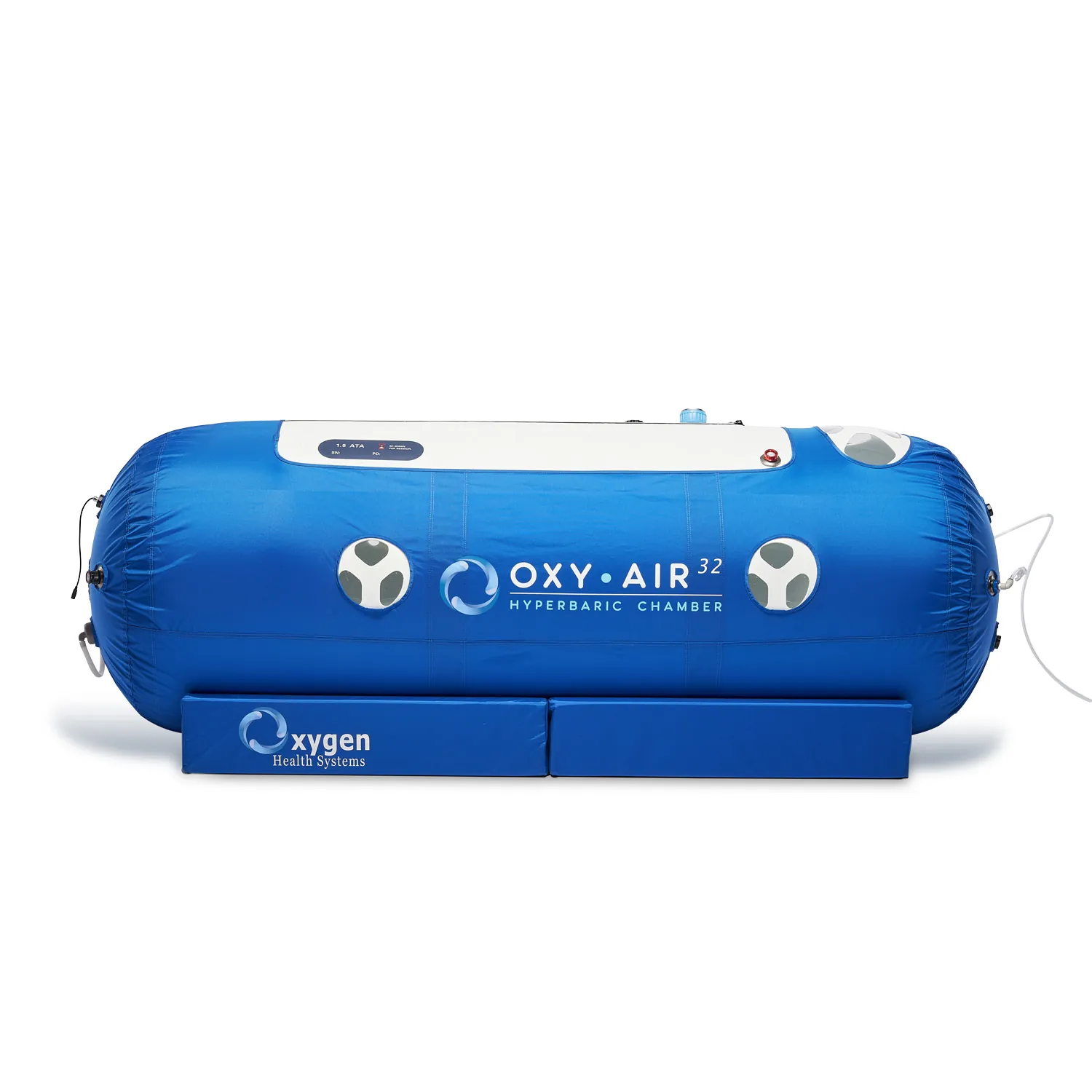
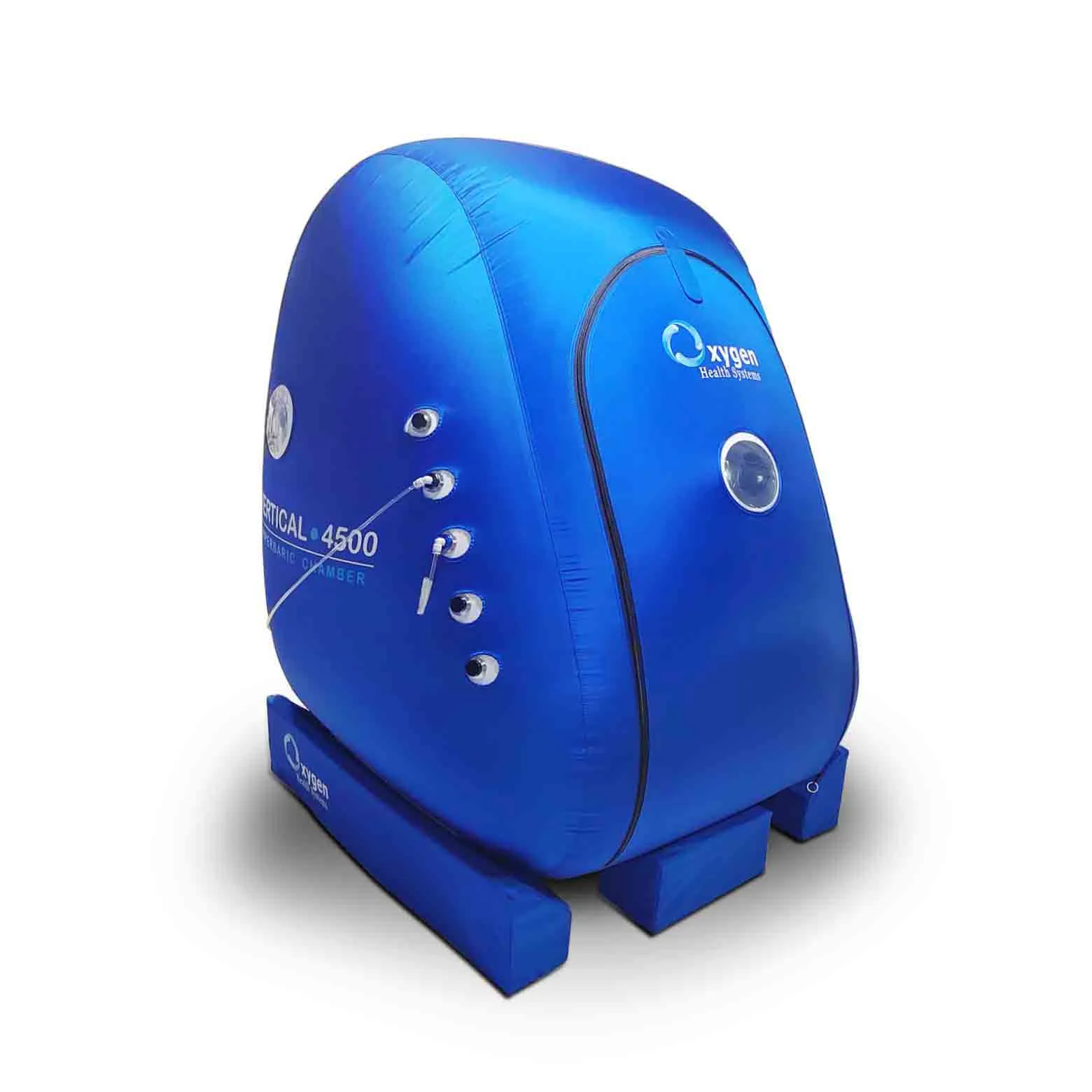
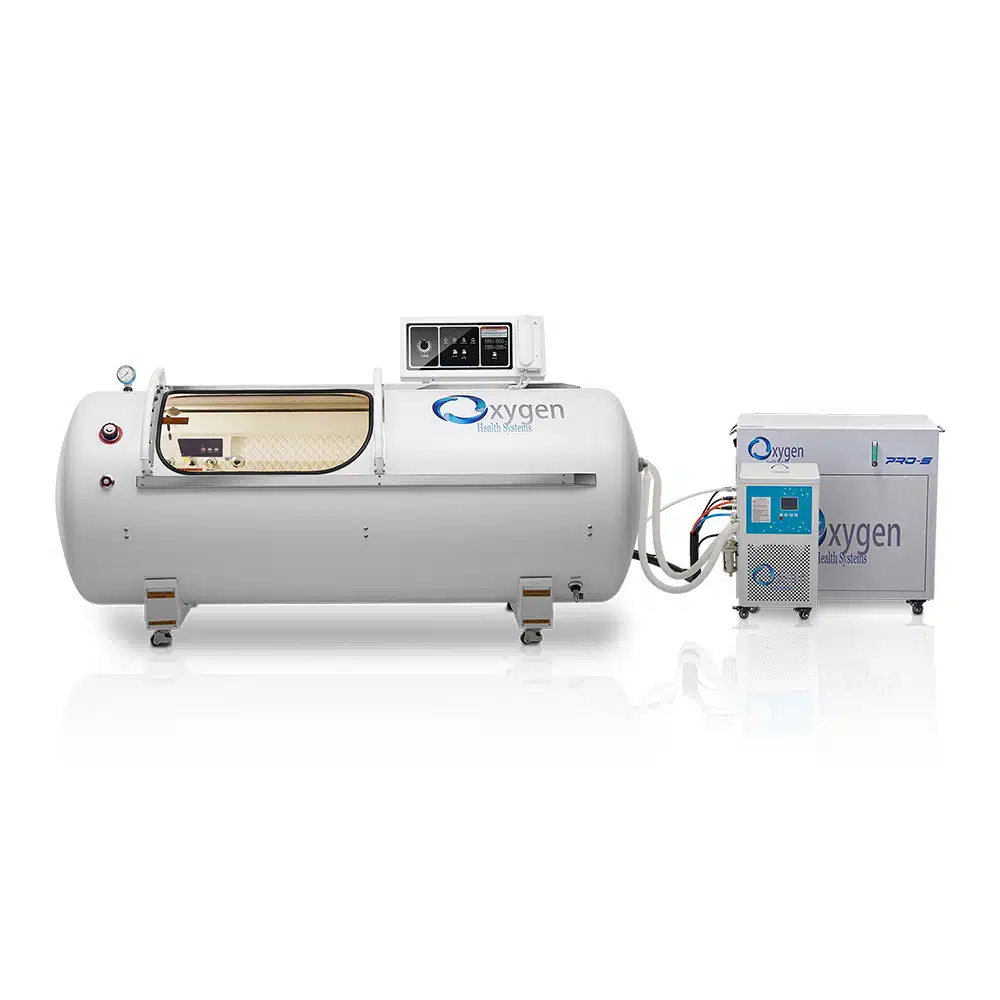
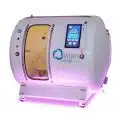
Clinical research protocols typically use higher-pressure chambers under supervision. For general wellness and recovery support at home, mild hyperbaric chambers (around 1.3–1.5 ATA) offer a gentler, accessible way to incorporate regular oxygen sessions into a daily routine. They’re not a substitute for medical care – but for people managing long-tail fatigue who want a consistent, non-invasive option, they’ve become an increasingly popular tool.
The honest takeaway: long COVID is complex, the science is still maturing, and HBOT is one piece of a larger recovery puzzle that should include proper medical guidance, paced activity, and rest. But for a condition that has left millions searching for answers, the early oxygen research is one of the more encouraging signals out there.
Frequently Asked Questions
Can hyperbaric oxygen therapy cure long COVID?
No. HBOT is not a cure and is not an approved treatment for long COVID. Research, including a 2022 randomised controlled trial, suggests it may help improve symptoms such as fatigue and brain fog for some people, but the evidence is still developing. Always consult your doctor.
How many HBOT sessions are typically used in long COVID research?
The main clinical trials used a protocol of 40 daily sessions over roughly two months. Because HBOT’s effects are cumulative, a full course is generally explored rather than a one-off session. Your ideal frequency should be discussed with a healthcare provider.
Which long COVID symptoms might HBOT help with?
Studies have focused on cognitive symptoms (memory, attention, “brain fog”), fatigue, sleep quality, and some psychiatric symptoms. Results vary between individuals, and not everyone responds the same way.
Is a mild home hyperbaric chamber strong enough to help?
Home chambers typically operate at 1.3–1.5 ATA, which is gentler than clinical research protocols. They’re designed for wellness and recovery support rather than medical treatment, and many users value them for consistent, convenient sessions. They are not a replacement for medical care.
Are there risks or side effects?
HBOT is generally well tolerated, but possible effects include ear or sinus pressure during pressurisation and temporary vision changes. People with certain lung or ear conditions should avoid it. Speak with a healthcare professional before starting.
This article is for informational purposes only. Hyperbaric oxygen products are intended for wellness use and are not intended to diagnose, treat, cure, or prevent any disease. Always consult a qualified healthcare professional before beginning any new therapy.