
Hyperbaric Oxygen Therapy
Is Hyperbaric Oxygen Therapy More Expensive at Home or in a Clinic?
Oct
Most entries in our What The Science Says series look at research papers. This one looks at numbers. The question of whether HBOT costs more at home or in a clinic comes up in almost every conversation we have with new buyers, and the honest answer depends on how often you plan to use it, what pressure you need and how long you expect to keep going.
Paying per session at a clinic is cheaper if you only want a short course of treatment. Owning a chamber becomes cheaper once you’re doing sessions regularly over many months, and the crossover point tends to arrive sooner than people expect. The rest of this article shows how to work out where that point sits for you.
What A Clinic Session Costs
Clinic prices vary widely across the US, and they depend heavily on the type of chamber.
Wellness centers that use mild, soft chambers at around 1.3 ATA commonly charge somewhere between about $75 and $150 for a single session, with discounts for packages and memberships. Facilities using hard shell chambers at higher pressures, such as 2.0 ATA, usually charge more, often $150 to $250 per session and sometimes higher in large cities. Hospital based HBOT for medical conditions sits in a different category again, with session prices that can reach several hundred dollars when insurance doesn’t cover them.
On top of the session price, there are costs that don’t show up on the receipt. Driving to and from the clinic, parking, and the time it takes to fit an appointment around work or family all add up, especially if you’re going three or four times a week.
What A Home Chamber Costs
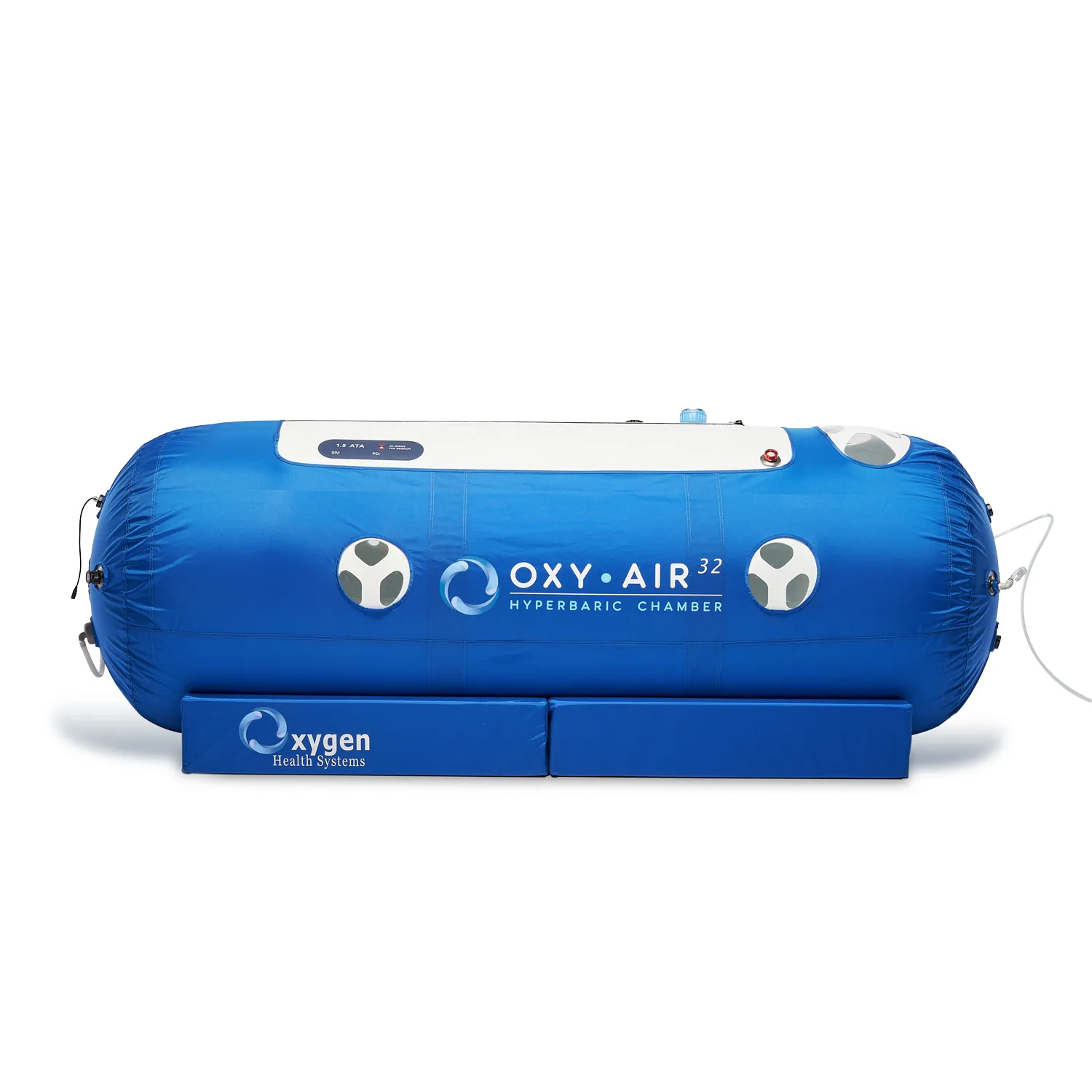
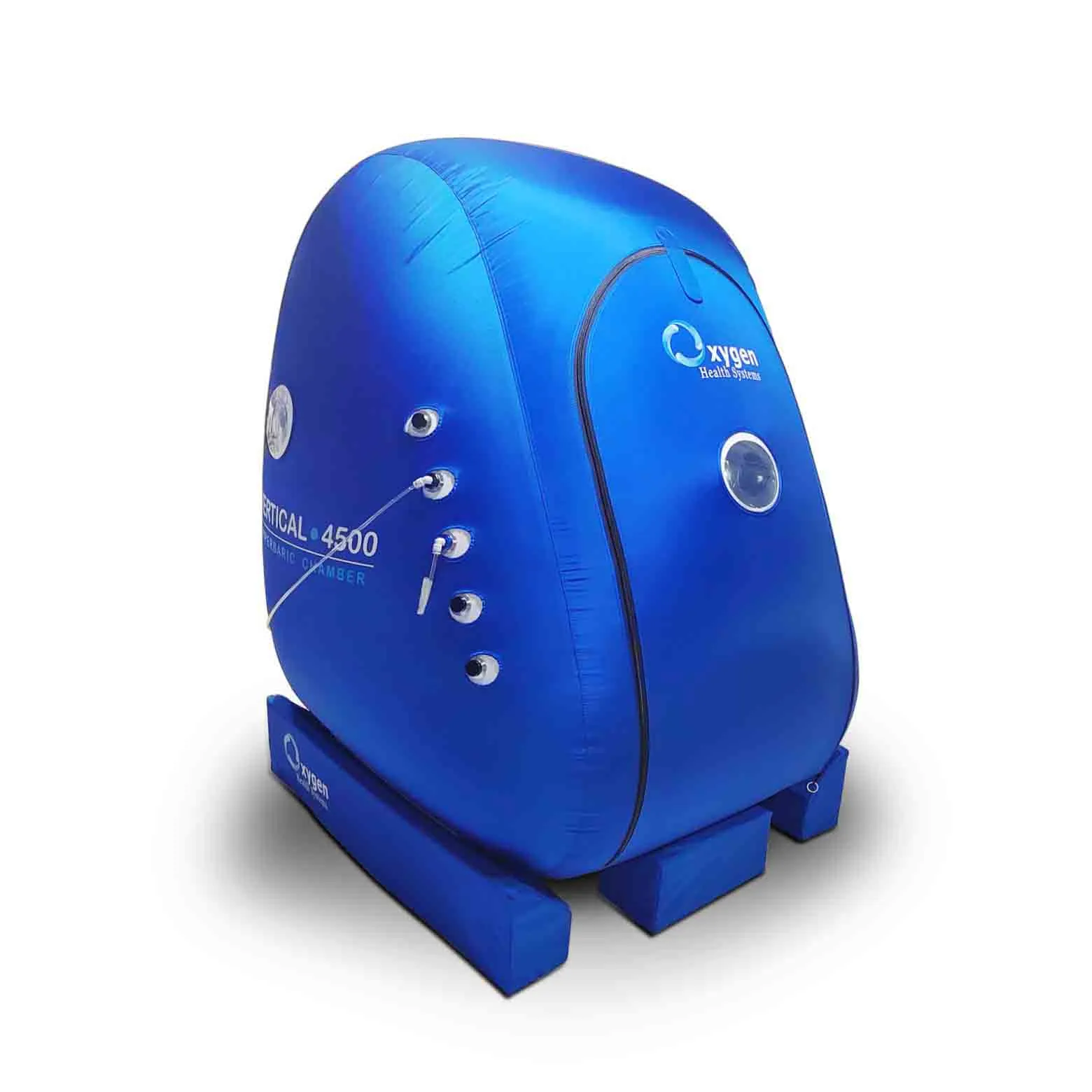
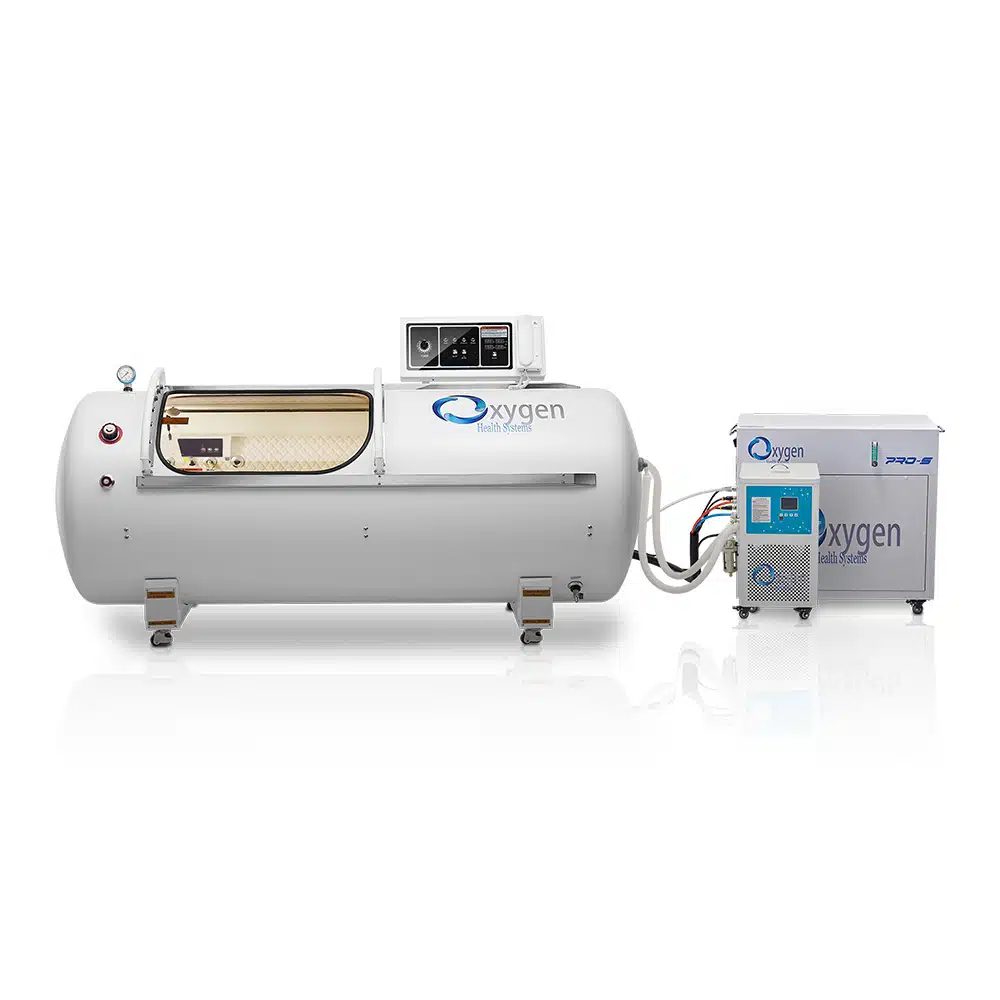
Home chambers fall into two broad groups. Soft and vertical chambers designed for home use generally cost a few thousand dollars up to the low five figures, depending on size, pressure rating and features. Hard shell chambers that reach 2.0 ATA and above are a larger investment, often well into five figures, reflecting the engineering and testing involved in a rigid pressure vessel.
Running costs are modest by comparison. You’ll pay for electricity to run the compressor and oxygen concentrator, along with occasional consumables such as filters, masks and, for soft chambers, zipper or seal maintenance over the years. A solid warranty makes a real difference here, because it covers the parts most likely to need attention in the first years of ownership.
A Worked Example
Here’s how the numbers might look for someone planning three sessions a week, using illustrative figures. Plug in the actual quotes you receive to get your own version.
| Clinic at $125 per session | Home chamber at $12,000 | |
| Cost per week (3 sessions) | $375 | Running costs only |
| Cost after 3 months | About $4,900 | $12,000 plus running costs |
| Cost after 6 months | About $9,750 | $12,000 plus running costs |
| Cost after 12 months | About $19,500 | $12,000 plus running costs |
| Cost after 24 months | About $39,000 | $12,000 plus running costs |
At three sessions a week, the home chamber in this example pays for itself in about seven and a half months. Someone using their chamber daily would reach that point in under four months, while someone going once a week would take close to two years.
Households where two or more people use the chamber change the math considerably. A clinic charges each person separately, while a home chamber costs the same whether one person uses it or three.
Costs People Often Forget To Count
A fair comparison includes the smaller costs on both sides. Clinic users often overlook travel. A 20 minute drive each way adds up to two hours of driving a week at three sessions, plus fuel and parking, and that time has a real value for anyone fitting sessions around work and family. Missed appointments and cancellation fees can also add to the total.
Home owners should count delivery, any setup service, the space the chamber takes up and occasional consumables. If the chamber is a hard shell model, check whether the floor and room layout need any changes before delivery. A chamber that comes with a long full coverage warranty, US based support and a domestic repair facility removes most of the uncertainty from ownership costs, because the expensive surprises are already covered.
When A Clinic Makes More Sense
A clinic is the better financial choice if you want to try HBOT for a few weeks before committing, if you only need a short course for a specific goal, or if you need the supervision of a medical team. It’s also a sensible way to find out how you feel in a chamber before buying one, though a showroom visit can tell you a lot about comfort and fit as well.
When Owning A Chamber Makes More Sense
Ownership tends to win when HBOT becomes part of your routine. Regular users, people recovering from training several times a week, families sharing one chamber, and anyone who lives a long drive from the nearest clinic usually find that home ownership costs less within the first year. There’s also the value of convenience, since a session at home fits around your schedule.
Financing can change the picture too. Spreading the cost of a chamber over monthly payments often brings the monthly figure close to, or below, what a regular clinic habit would cost, and you own the chamber at the end. Some buyers can also put flexible spending account funds toward the purchase.
If you’d like to run these numbers with real prices, our chamber specialists can give you exact quotes for different chamber types and talk you through financing options for home or business use.
Frequently Asked Questions
Does insurance cover home hyperbaric chambers?
Insurance rarely covers the purchase of a home chamber for wellness use. Some buyers use flexible spending account funds, and the eligibility rules depend on your plan and circumstances, so check with your plan administrator before you buy.
How much electricity does a home chamber use?
A soft chamber’s compressor and oxygen concentrator draw roughly as much power as a few household appliances running at once. For most households, regular sessions add a modest amount to the monthly electricity bill, though the exact figure depends on your local rates and how often you use the chamber.
Are clinic sessions and home sessions equivalent?
Only if the pressure and oxygen levels match. A clinic session at 2.0 ATA isn’t directly comparable with a home session at 1.3 ATA, so compare like with like. If you want home sessions at higher pressure, you’ll need a hard shell chamber rated for it.
Can I check financing offers without affecting my credit?
Yes. Oxygen Health Systems works with a personal financing partner that lets you compare offers from several lenders, and checking those offers has no impact on your credit score. Separate business financing options are available for clinics and wellness centers.
What should I budget for beyond the chamber itself?
Plan for delivery and setup, an oxygen concentrator if one isn’t included, and routine consumables such as filters and masks. It’s also worth confirming the warranty length, since a three year full coverage warranty covers most of the maintenance costs you’d otherwise face early on.