
Health, Hyperbaric Oxygen Chambers
Vertical Hyperbaric Chambers: A Comfortable and Space-Saving Solution for Home and Clinic
Aug
Hyperbaric oxygen therapy (HBOT) has long been a trusted treatment for a range of medical conditions, from wound healing to managing chronic illnesses. Traditionally, HBOT was only available in hospitals or specialized clinics, but recent advancements have made oxygen therapy at home a reality.
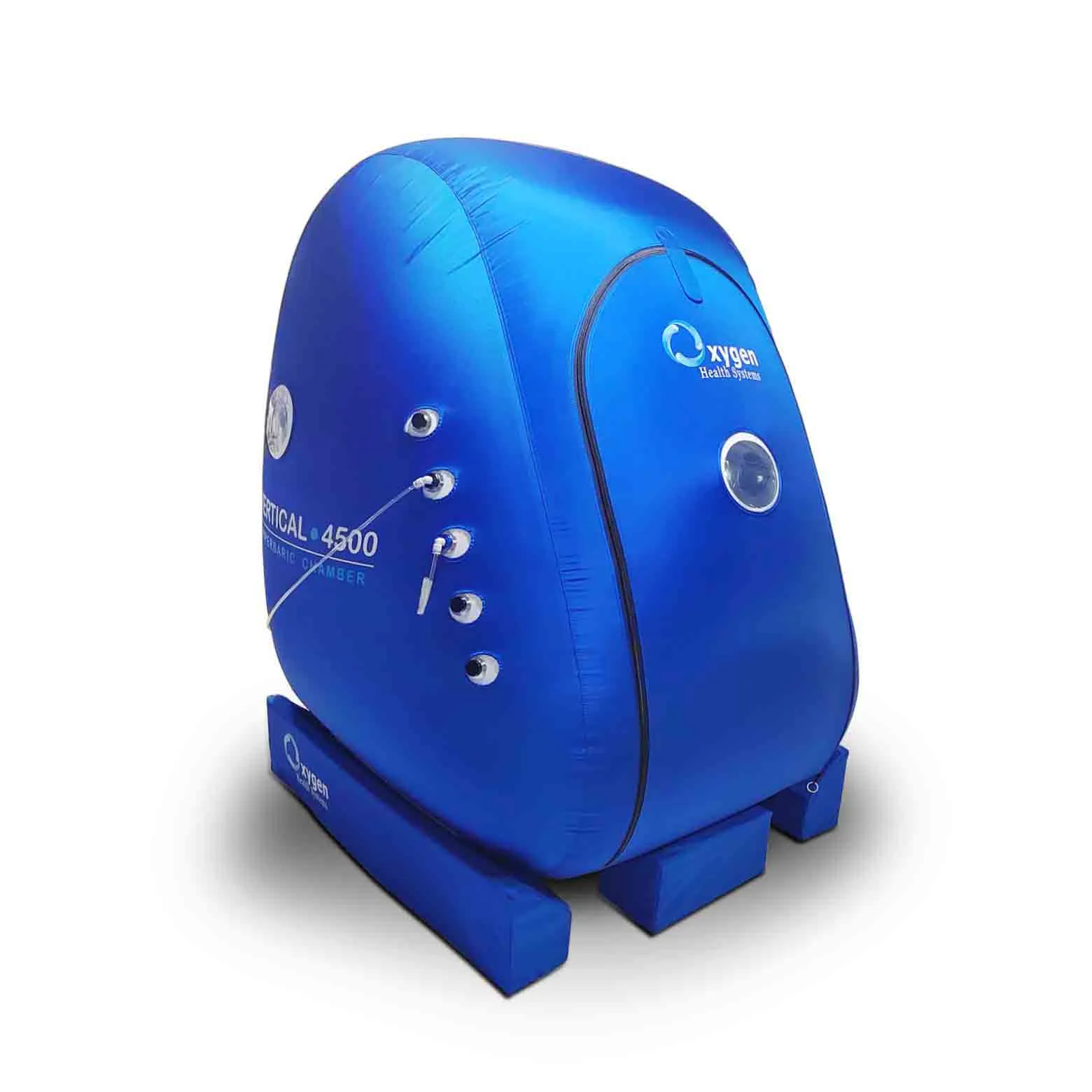
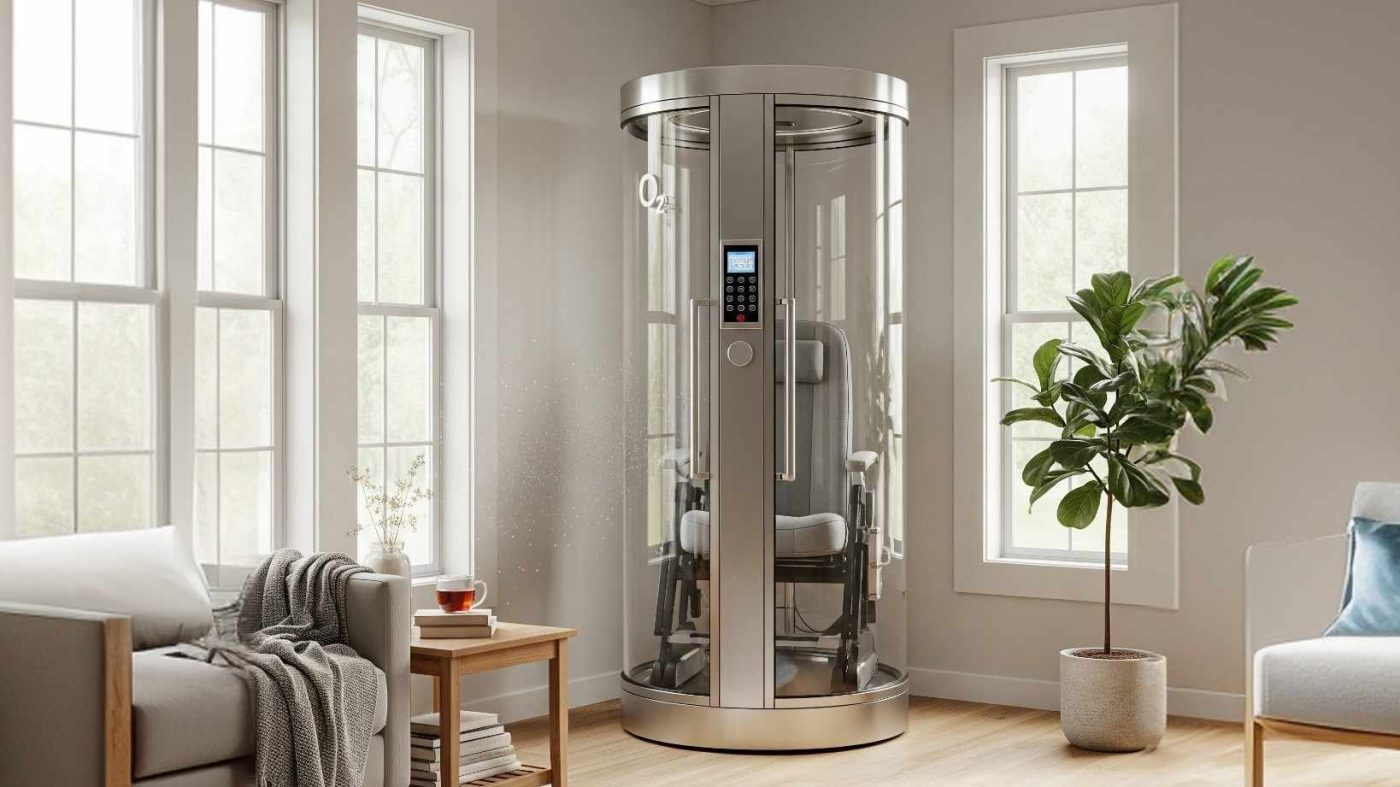
Among these innovations are vertical hyperbaric chambers, which stand out as a modern, user-friendly alternative to traditional horizontal models. These upright chambers, often referred to as standing hyperbaric chambers, offer a practical and efficient way to bring the benefits of HBOT to homes and small clinics.
The demand for home HBOT reflects a broader trend toward personalized healthcare solutions. People are seeking ways to improve their health and recovery without the hassle of frequent clinic visits. Similarly, clinics are looking for equipment that maximizes space and enhances patient care.
Vertical chambers meet these needs by offering compact design, ease of use, and the ability to deliver effective oxygen therapy. In this article, we’ll explore how the best hyperbaric chambers for home or clinic work, discuss their unique advantages, and explain why they’re becoming popular for both home and clinical settings.
How Vertical Hyperbaric Chambers Differ from Traditional Horizontal Models
Traditional HBOT systems typically require patients to lie down inside a horizontal, tube-like chamber. These systems, while effective, can be bulky and intimidating, often resembling medical equipment found in hospitals. In contrast, a vertical HBOT chamber allows users to sit or stand during therapy, offering a more approachable and less clinical experience.
The standing HBOT chamber for personal use has several advantages over its horizontal counterpart. First, the upright design makes it easier for users to enter and exit, especially for those with mobility challenges or discomfort lying down for extended periods. Instead of climbing into a tube, users simply step into the chamber and sit on a comfortable seat.
This accessibility makes vertical chambers a game-changer for home users and clinics alike. Another key difference is space efficiency – horizontal chambers often require a large footprint, making them impractical for small homes or clinics with limited space.
Vertical chambers are designed to take up less floor space, making them a space-saving hyperbaric therapy option that can fit into corners, small rooms, or apartments without sacrificing the ability to deliver high-quality oxygen therapy. Setup is also simpler, as vertical chambers often come with user-friendly hyperbaric solutions like plug-and-play designs that don’t require extensive installation.
Comfort and User Experience: Is a Vertical Hyperbaric Chamber Comfortable?
One of the most common questions about vertical chambers concerns comfort during therapy sessions, which can last 60 to 90 minutes. The answer is definitely yes – the vertical HBOT chamber for clinics and home use is designed with ergonomics in mind.
Most models feature cushioned seats, adjustable settings, and clear acrylic walls that reduce feelings of confinement. For those who experience claustrophobia in traditional horizontal chambers, the upright design and transparent walls create a more open and less restrictive environment.
Users often report that sitting in a vertical chamber feels more natural than lying down. You can read, meditate, or even use a small electronic device during sessions, making the experience more engaging. For example, Emily, a 50-year-old yoga instructor, shared that her vertical oxygen chamber allowed her to relax and focus on breathing exercises during therapy, enhancing her recovery from a sports injury.
Clinics also report high patient satisfaction, noting that the upright position reduces anxiety and makes therapy feel less like a medical procedure. The design also caters to accessibility – for individuals with mobility issues or those using wheelchairs, vertical chambers often have wider entryways and lower thresholds, making them easier to access than horizontal models.
This focus on comfort and accessibility ensures that vertical hyperbaric chambers deliver on their promise of user-friendly design through thoughtful engineering.
Benefits of Vertical Hyperbaric Chambers for Home Use and Clinics
The benefits of vertical oxygen chambers extend to both home users and clinical settings, making them a versatile choice for oxygen therapy. For home users, the primary advantage is convenience – a hyperbaric chamber for home use allows individuals to integrate HBOT into their daily routines without the need for frequent clinic visits. This is especially valuable for:
- athletes recovering from injuries
- people managing chronic conditions like fibromyalgia
- those seeking wellness benefits like improved energy and mental clarity
Vertical chambers are also portable and easier to install than traditional models. Many are designed to be lightweight and foldable, allowing users to move or store them when not in use. For example, some models can be set up in a spare room or garage, offering a space-saving oxygen therapy option that doesn’t dominate your living space.
For clinics, vertical chambers provide efficiency and flexibility. Their compact design allows clinics to treat more patients in less space, improving patient turnover without compromising care. A clinical hyperbaric oxygen chamber in a vertical format can accommodate a range of patients, from those needing wound care to those seeking off-label benefits like improved mental function.
The upright design also makes it easier for staff to assist patients, particularly those with mobility challenges. Cost-effectiveness is another major benefit – while compact HBOT chambers represent an investment, they are often more affordable than larger horizontal models and require less energy to operate, reducing long-term costs for both home users and clinics.
For example, a small clinic reported saving thousands annually on utility bills after switching to vertical chambers while maintaining the same therapeutic outcomes.
Key benefits of vertical hyperbaric chambers include:
- Accessibility: Easier entry and exit for users with mobility issues
- Comfort: Upright position reduces claustrophobia and enhances relaxation
- Space Efficiency: Fits in small homes or clinics without sacrificing functionality
- Cost Savings: Lower purchase and operational costs compared to horizontal models
Space-Saving and Compact Design: Ideal for Small Spaces
One of the standout features of vertical chambers is their design for small spaces. In today’s world where space is often at a premium, these chambers are a perfect fit for apartments, small homes, or compact clinics. Unlike horizontal chambers that require a dedicated room, vertical models can fit into a corner or unused closet space.
For example, our Vertical Mini Hyperbaric Chamber has a footprint of just 44 inches wide and 55 inches deep, making it ideal for space-conscious environments. Design innovations further enhance their practicality – many vertical chambers use lightweight materials like aluminum or medical-grade nylon, allowing for easy movement and setup.
Some models, like the OxyFlow, include external frames for added stability without increasing the footprint. These compact HBOT chambers maintain the same pressure levels (typically 1.3 to 1.5 ATA) and oxygen delivery as larger models, ensuring no compromise on therapeutic benefits.
For clinics, this space-saving design translates to more treatment rooms or the ability to offer HBOT alongside other services in a small space. Wellness centers, spas, and even home-based therapists can add a vertical HBOT chamber for clinics to offer benefits without needing to renovate or expand their facilities.
Choosing the Right Vertical Hyperbaric Chamber: Key Features to Consider

Selecting the best vertical hyperbaric chamber requires consideration of several important factors. Here’s a guide to help you choose:
- Safety Certifications. Look for FDA clearance or compliance with local regulations, plus safety features like emergency pressure relief valves, dual pressure gauges, and real-time monitoring.
- Pressure Levels. Most home chambers operate at 1.3 to 1.5 ATA, ideal for mild HBOT. Clinics may opt for models up to 2.0 ATA for more intensive therapy, but these require professional oversight.
- Ease of Maintenance. Choose chambers with simple cleaning protocols and durable materials, such as heat-welded seams or stainless steel construction.
- Additional Features. Look for digital control panels, high-purity oxygen concentrators (95-97%), and quiet compressors for optimal user experience.
- Portability. For home use, lightweight and foldable designs are ideal, while clinics may prioritize sturdier, stationary models for heavy use.
For personal use, a standing hyperbaric chamber for personal use offers versatility, allowing users to sit or lie down comfortably. For clinics, more powerful models provide durability and enhanced patient comfort. Always match the chamber to your specific needs, whether for daily wellness, athletic recovery, or clinical treatment.
Installation and Maintenance Tips for Vertical Hyperbaric Chambers
Setting up a vertical hyperbaric chamber is straightforward, but following proper guidelines ensures safety and optimal performance. For home hyperbaric therapy, choose a well-ventilated area with access to a power source. Most chambers require minimal assembly, typically involving connecting the oxygen concentrator and control unit.
Ensure the floor is level to prevent tipping and follow the manufacturer’s instructions for sealing the chamber properly. Maintenance is equally simple but critical for user-friendly hyperbaric solutions.
Essential maintenance steps include:
- Regular Cleaning. Wipe down the interior with non-toxic, medical-grade cleaners to prevent bacteria buildup and maintain hygiene standards.
- Check Seals and Zippers. Inspect for wear and tear regularly to maintain an airtight environment and ensure proper pressure levels.
- Monitor Oxygen Concentrators. Replace filters as recommended to ensure high oxygen purity and optimal therapeutic benefits.
- Schedule Professional Servicing. Many manufacturers offer warranties that include annual checkups – take advantage of these to extend the chamber’s lifespan.
For clinics, train staff on proper operation and safety protocols to ensure consistent, safe treatment delivery. Regular maintenance keeps the clinical oxygen chamber running smoothly and ensures patient safety at all times.
Conclusion: Why Vertical Hyperbaric Chambers Are the Future of Convenient Oxygen Therapy
Vertical hyperbaric chambers are revolutionizing the way we approach HBOT by offering a perfect blend of comfort, efficiency, and accessibility. Their space-saving design makes them ideal for homes, apartments, and small clinics, while their ergonomic features ensure comfortable use for users of all ages and abilities.
With their cost-effectiveness, portability, and ease of use, these chambers represent a smart choice for anyone seeking home hyperbaric therapy or professional treatment options. Whether you’re an athlete looking to speed up recovery, a wellness enthusiast aiming to boost energy, or a clinic owner wanting to expand services, a vertical hyperbaric chamber offers a practical solution.
The future of oxygen therapy is here, and it’s designed to fit seamlessly into your life and space. Explore the range of user-friendly hyperbaric solutions available today and consult with a healthcare professional or HBOT specialist to find the perfect chamber for your specific needs.