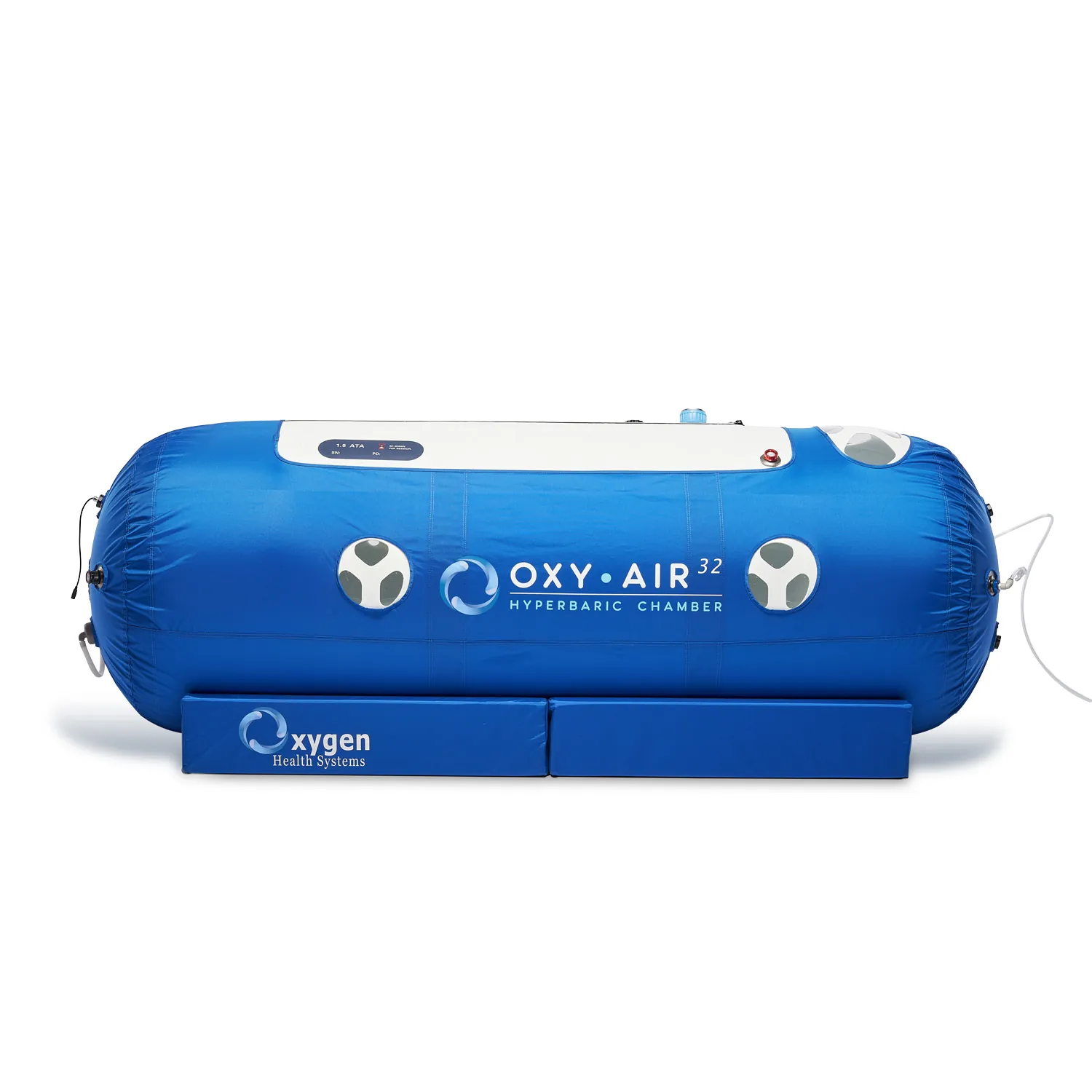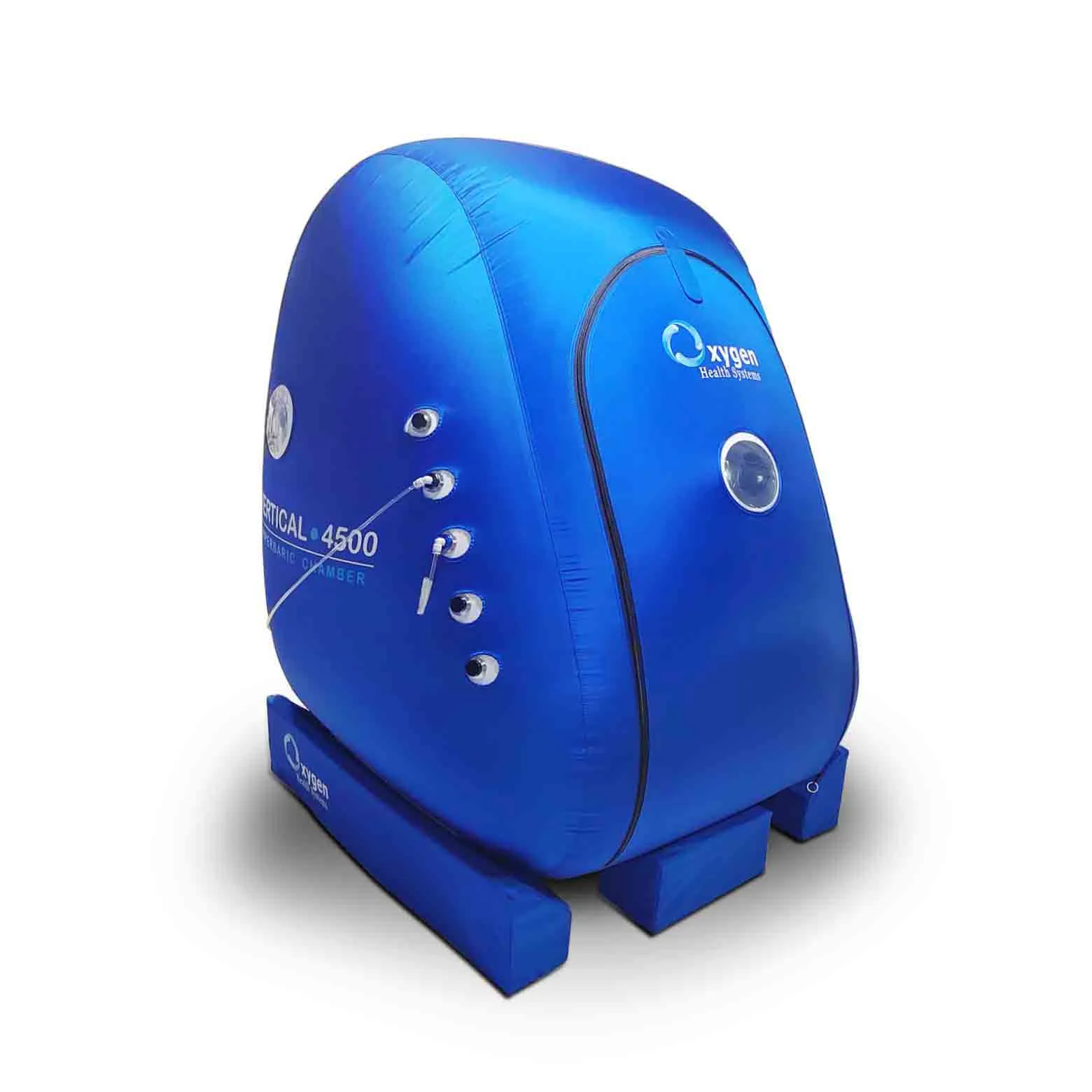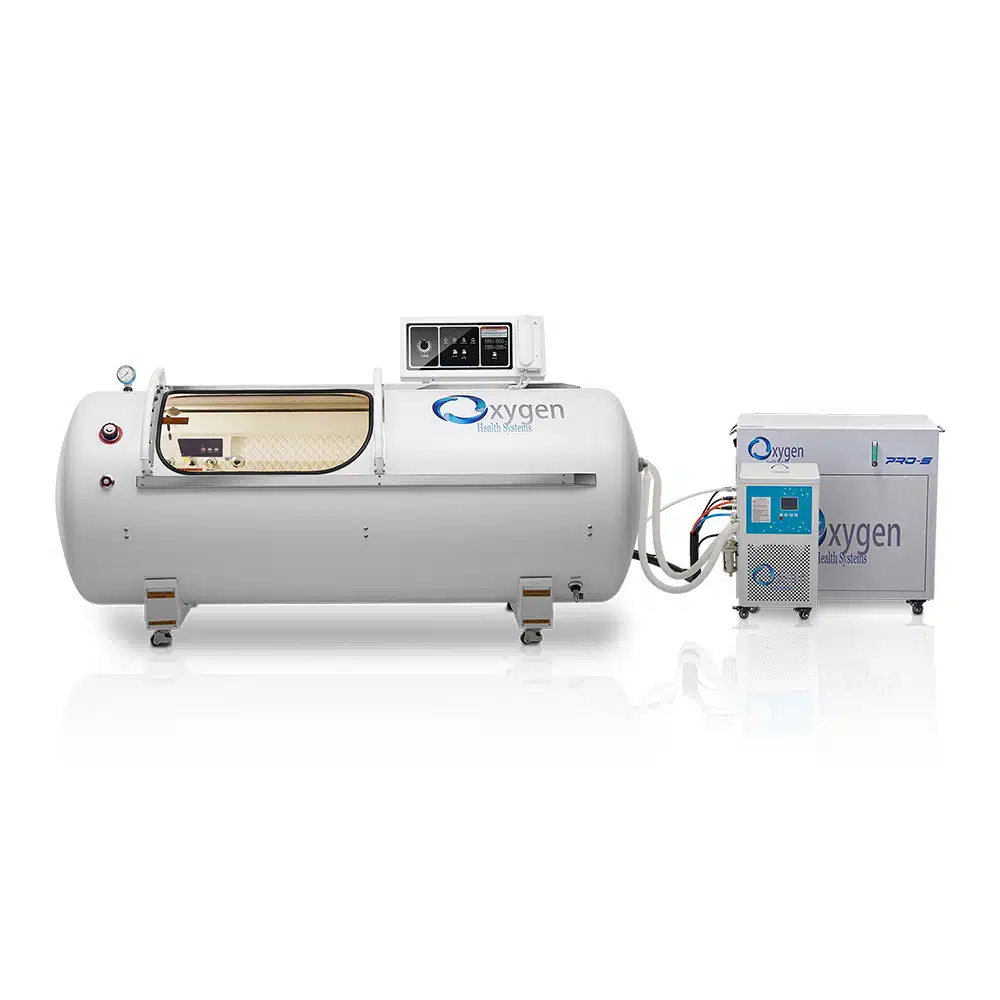

Home Hyperbaric Chamber
Is a Home Hyperbaric Chamber Safe? The Controls That Make the Difference
Oct
This question comes up in almost every conversation we have with first time buyers, and it deserves a straight answer. A hyperbaric chamber is safe when it’s properly engineered, properly maintained and properly operated. The risk sits in all three of those, and a well built chamber addresses the first one through design and the second two through documentation and training.
The reason the question feels unsettling is that most people have no frame of reference for domestic pressure equipment. So it’s worth walking through what can actually go wrong in a chamber, and then looking at the specific controls that are built in to prevent each one.
The Three Risks Worth Understanding
There are three categories of risk in hyperbaric equipment, and they’re well understood because the engineering standards that govern this equipment were written in response to them.
The first is structural failure of the vessel itself, meaning the shell, the seals, the viewport or the door mechanism failing under pressure. The second is fire, because an oxygen enriched environment lowers the ignition temperature of ordinary materials. The third is barotrauma, which is pressure related injury to the ears, sinuses or lungs, and it’s almost always the result of compressing or decompressing too quickly.
Every control described below maps onto one of those three.
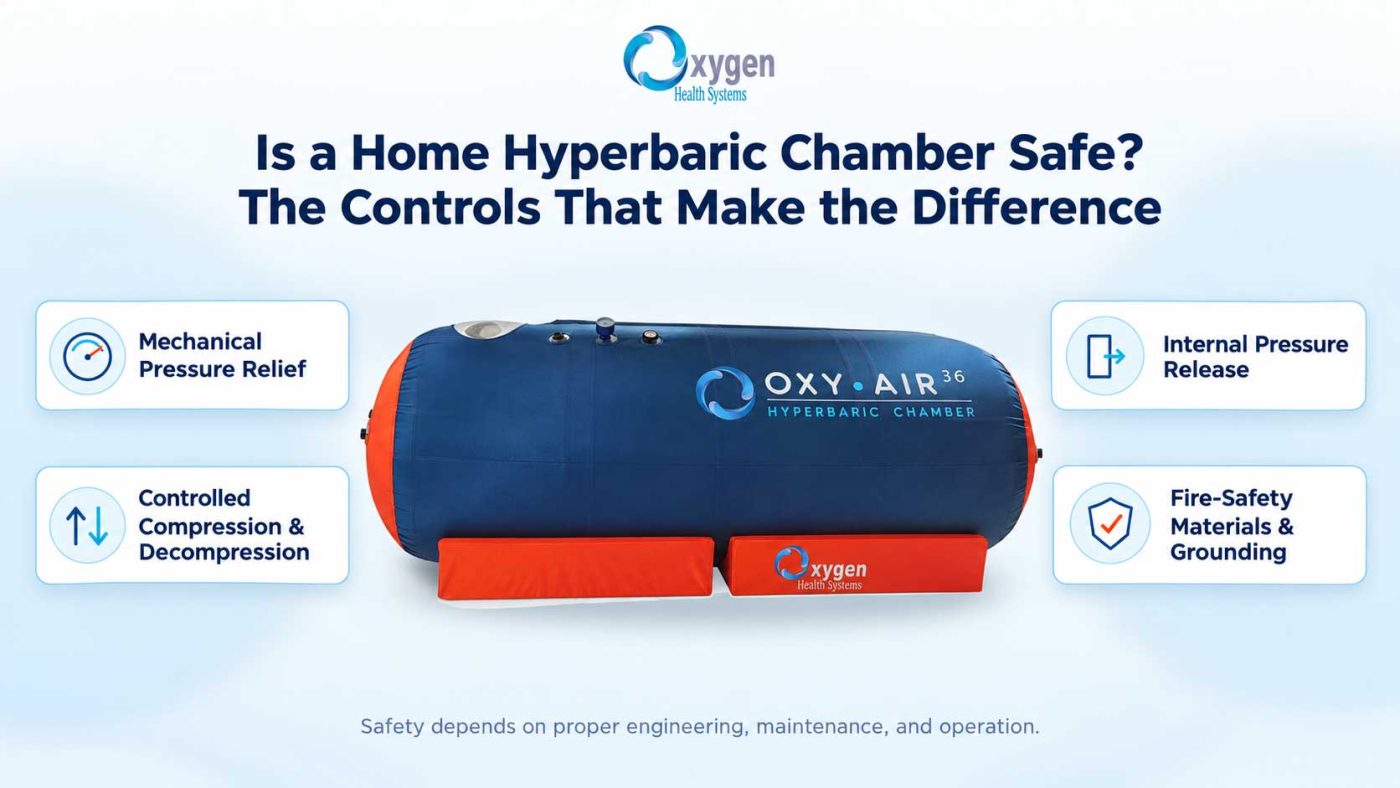
Pressure Relief And Overpressure Protection
The primary structural control is pressure relief. A chamber is designed to operate within a specified pressure range, and it needs a mechanism that physically cannot allow pressure to exceed the design limit, working independently of the control system and the operator.
Our chambers use mechanical pressure relief valves set below the tested limit of the vessel. Mechanical matters here. A relief valve that opens through spring force doesn’t depend on a sensor reading correctly, a controller behaving correctly, or anyone being awake. If the pressure reaches the set point, the valve opens and vents. There’s nothing to configure and nothing to fail silently.
Controlled Compression And Decompression Rates
Barotrauma is the most common hyperbaric injury, and it’s entirely preventable. It happens when pressure changes faster than the body can equalise, and the ears are usually the first thing affected.
The control is a governed rate of pressure change. Our chambers compress and decompress at a controlled rate, and the session can be paused or the rate reduced if the occupant needs longer to equalise. The training we provide covers equalisation technique, what to do if equalisation isn’t working, and why you don’t use a chamber with a head cold or blocked sinuses.
This is a point where operator knowledge does as much work as engineering, which is why free Zoom training comes with every chamber.
Internal Pressure Release From Inside The Chamber
An occupant needs to be able to initiate depressurisation from inside without help from anyone outside. Our chambers include an internal release mechanism so that the person in the chamber always has control over ending a session.
This matters most for people using a chamber at home alone, and it’s a question worth putting to any supplier before you buy.
Fire Safety And Material Selection
Fire risk in hyperbaric environments is managed by removing the things that cause fires. Ignition sources, fuel and elevated oxygen are the three ingredients, and since the oxygen is the point of the equipment, the other two have to go.
Our chambers are built to NFPA standards, which covers interior material selection, grounding and static control. In practice that means the fabrics, padding and fittings inside the chamber are specified for oxygen enriched use, the chamber is grounded to prevent static discharge, and the design excludes the kind of ignition sources you’d find in a normal room.
The operational side is straightforward. Unapproved electronics, battery powered devices, lighters, aerosols, oil based products and loose synthetic fabrics stay outside the chamber. Our training covers the full list, and the guidance is included in the documentation that ships with every unit.
Oxygen Concentration Management
How oxygen is delivered affects the fire risk profile of the whole system. Our chambers use a delivery system with ventilation designed to prevent oxygen accumulating inside the chamber environment, and the documentation that comes with each unit specifies the ventilation requirements for the room the chamber sits in.
Room ventilation gets overlooked by buyers and it shouldn’t. A chamber installed in a small sealed room behaves differently to one installed in a well ventilated space, and this is something our team covers during the installation conversation.
Viewport And Seal Integrity
Acrylic viewports have a service life and a specified inspection interval. This is covered in ASME PVHO-1, which sets requirements for how viewports are designed, manufactured and inspected over time.
The practical point for an owner is that viewports and seals are consumable safety components with a maintenance schedule attached, and you need a supplier who’ll tell you what that schedule is and supply the parts when the time comes. Our maintenance documentation sets out the inspection intervals, and our US based team supplies replacement components for chambers we’ve sold.
What Safe Operation Actually Requires From You
Engineering controls do most of the work, and the rest depends on how the chamber is used. Safe operation means completing the training before the first session, following the compression rate guidance, keeping prohibited items out, running the pre session checks, keeping to the maintenance schedule, and calling your supplier when something doesn’t look right.
That last one only works if there’s someone to call. Our support team is US based and available seven days a week, and we’re contactable by phone.
Choosing Equipment You Can Trust
Oxygen Health Systems has been building and supplying hyperbaric chambers for ten years from our base near Chicago, and every unit in our home hyperbaric chamber range carries the controls described above. Our ISO 13485, ISO 9001:2015 and ISO 14001 certifications are published in full, our chambers carry CE marking and are built to NFPA standards, and one chamber in our range holds ASME PVHO-1 certification. You’re welcome to visit the showroom and see the systems described here in person.