
Hyperbaric Oxygen Chambers
How To Price HBOT Sessions At Your Clinic

Nov
The right price for a hyperbaric session covers your full cost per session, delivers a healthy margin and sits within what clients in your area will pay for the pressure and experience you offer. To set it, you need four numbers: your monthly fixed costs, your variable cost per session, your realistic sessions per month and the going rate among comparable providers nearby. Clinics that price from these numbers make money from the chamber. Clinics that copy a competitor’s price list often discover months later that they don’t.
This guide shows you how to calculate each number, how to test your price against the local market and how to structure single sessions and packages so your chamber pays for itself.
Step 1: Work Out Your Fixed Monthly Costs
Fixed costs are the expenses you pay whether you run two sessions a month or two hundred. For a hyperbaric service, they usually include:
- Chamber financing or the monthly share of the purchase price spread over its expected working life
- The portion of rent, utilities and insurance attributable to the chamber room
- Medical director fees, if your program uses one
- Software for booking, intake and records
- Planned maintenance and annual servicing, averaged monthly
Add these together to get your monthly fixed cost. Be honest with the figures here. Leaving out insurance or servicing makes every later calculation look better than reality.
Step 2: Calculate Your Variable Cost Per Session
Variable costs rise with every session you run. They include the staff time needed to prepare the chamber, operate the session, clean it and complete records, plus electricity, disposable covers, cleaning supplies, wear parts like filters and payment processing fees.
Staff time is usually the largest variable cost. If an operator spends 90 minutes on a 60 minute session once you include preparation, cleaning and paperwork, price that full 90 minutes.
Step 3: Estimate Realistic Session Volume
Your chamber’s capacity and your actual bookings are very different numbers. A chamber open ten hours a day could theoretically run eight sessions daily, but most new services start well below that and build over several months.
Estimate conservatively for your first six months, then set a target for month twelve. Base it on your existing client numbers, your marketing plan and how many sessions clients typically book. Clients commonly book a series of sessions, so a modest number of committed clients can fill a schedule faster than you’d expect.
Step 4: Find Your Break Even Price
With those numbers, the calculation is straightforward. Divide your monthly fixed costs by your expected sessions per month, then add your variable cost per session. The result is the price at which each session covers its share of costs and nothing more.
Here’s an illustrative example using round numbers. Your own figures will differ.
| Item | Example Figure |
| Monthly fixed costs | $4,000 |
| Expected sessions per month | 100 |
| Fixed cost per session | $40 |
| Variable cost per session | $30 |
| Break even price per session | $70 |
At 100 sessions a month, any price above $70 is profit. At 50 sessions, the fixed cost per session doubles to $80, and the break even price rises to $110. Volume changes everything, which is why your session estimate matters so much. Our HBOT return on investment calculator lets you run these scenarios with your own numbers.
Step 5: Check Your Price Against The Local Market
Your break even price is the floor. The market sets the ceiling. Research what comparable providers within a reasonable drive charge, and compare like with like. A 2.0 ATA session in a hard chamber with clinical oversight is a different product from a 1.3 ATA session in a soft chamber at a gym.
Consider what sets your service apart, too. Private rooms, longer sessions, certified chambers, experienced staff and convenient hours all justify pricing toward the top of your local range. The figures clients see when they research how much a hyperbaric session costs shape their expectations before they ever contact you, so position your price with that in mind.
Step 6: Build A Simple Price Structure
Most successful clinics use three price points.
An introductory session lowers the barrier for first time clients. Price it close to break even and limit it to one per client.
A standard single session is your reference price. It should carry your full target margin.
Packages of five, ten or twenty sessions offer a per session discount in return for an upfront commitment. They improve cash flow, raise attendance and build the routine that turns trial clients into regulars. Keep package discounts modest enough that your margin survives them.
Mistakes That Undermine Profitability
The most common pricing problems we see are underestimating staff time, ignoring the cost of empty appointment slots, discounting packages so deeply that full price sessions disappear, and failing to review prices as costs rise. Review your pricing every six months against your actual session numbers and costs.
Choosing Equipment That Supports Your Margin
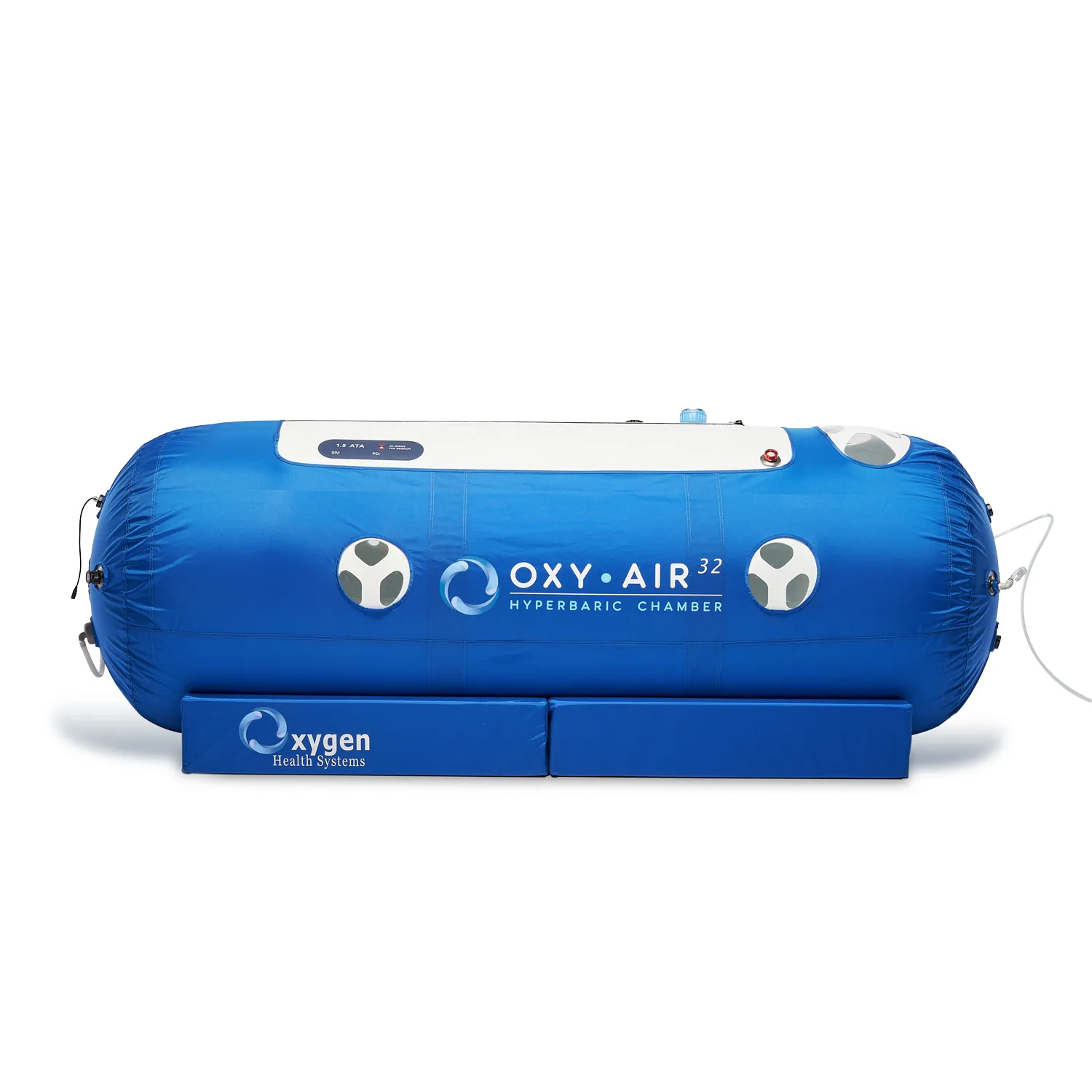
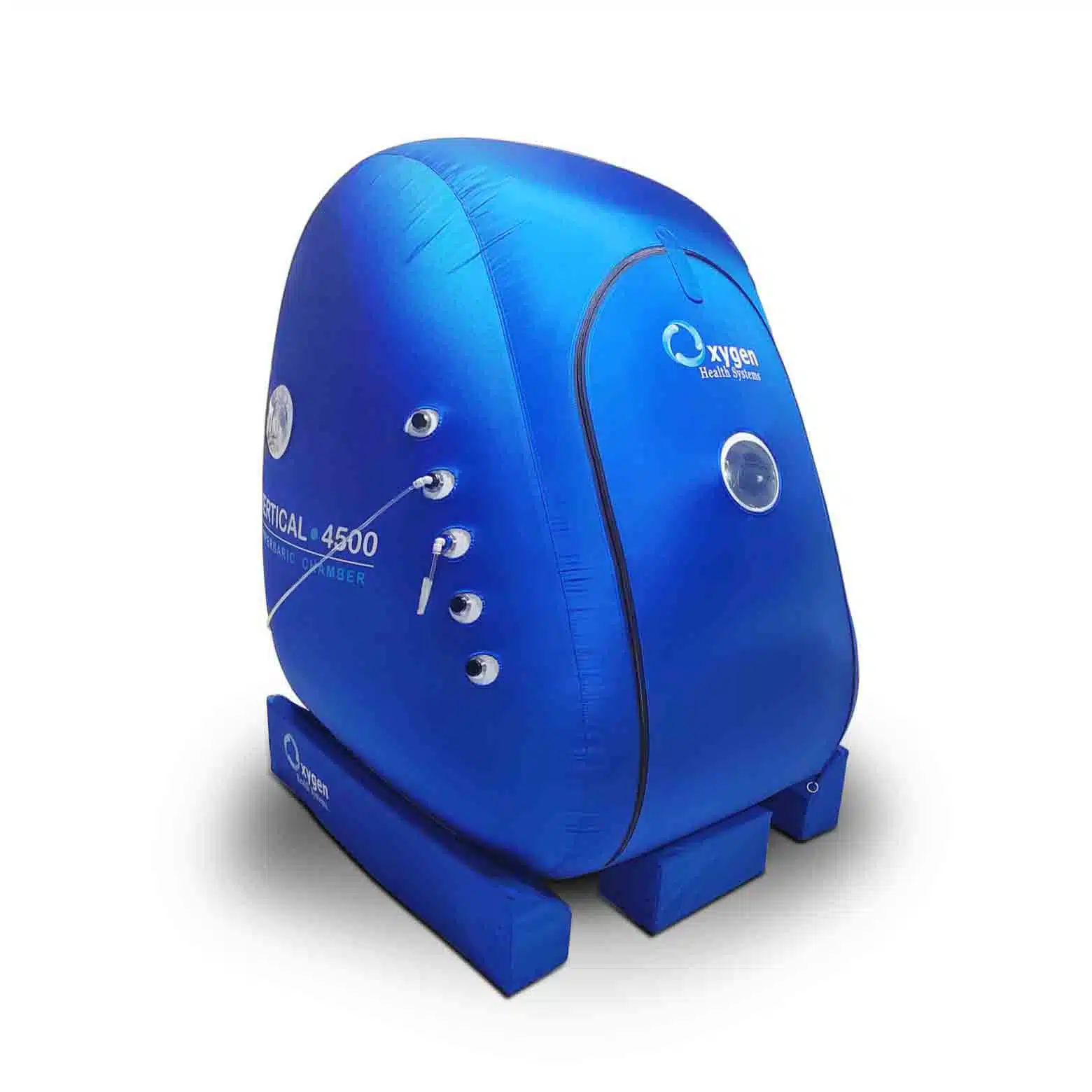
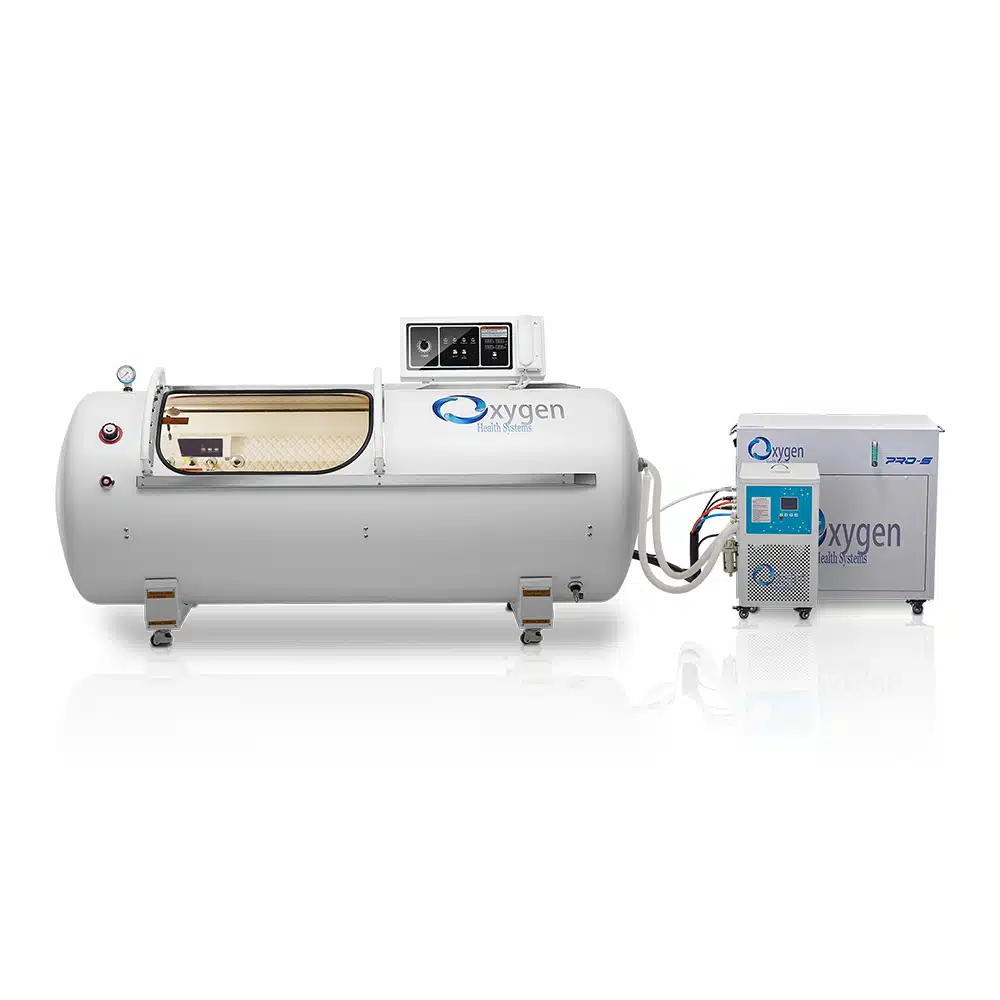
Your chamber affects pricing in two directions. Certified, well built chambers support premium pricing and keep clients confident, and dependable equipment avoids the lost revenue of cancelled days. Our chambers are priced in line with the market average, financing spreads the investment over time, and our US based team supports you seven days a week so your schedule stays full.
Frequently Asked Questions
Should I Charge Different Prices For Different Pressures?
Yes, if you offer more than one chamber type. Higher pressure sessions usually involve more costly equipment and more oversight, and clients generally expect to pay more for them. Make the differences clear on your price list.
Is It Better To Price Per Session Or Per Minute?
Per session pricing is simpler for clients and easier to manage. If you offer sessions of different lengths, set a separate price for each standard length.
How Often Should I Raise Prices?
Review prices every six months and adjust when your costs rise or demand consistently fills your schedule. Small, regular increases are easier for clients to accept than one large jump.
Should Existing Package Holders Keep Their Old Price?
Honor every package at the price the client paid. Applying new prices only to future purchases protects goodwill and keeps you clear of consumer complaints.