
Hyperbaric Oxygen Chambers
How To Open A Standalone Hyperbaric Wellness Center

Nov
Opening a standalone hyperbaric wellness center takes five phases: validating demand in your area, setting up the legal and clinical structure, securing and fitting out the right space, choosing and financing your chambers, and launching with a marketing plan that fills the schedule. Most owners need six to twelve months from first plan to opening day, and the ones who succeed treat the business as a healthcare service with strong operations behind it.
A standalone center differs from adding a chamber to an existing clinic in one crucial way: hyperbaric sessions are your entire revenue. That makes every decision about location, equipment and pricing more important. Here’s how to work through each phase.
Phase 1: Validate Demand Before You Commit
Start by confirming that enough people in your area will pay for hyperbaric sessions regularly. Look at who’s already offering them, what they charge, how busy they are and what they offer. A crowded market can still have room for a center with better equipment, longer hours or a clearer focus, but you need to know what you’re competing with.
Then define your target clients. Athletes and active adults, people focused on healthy aging, biohackers and clients referred by local practitioners all behave differently. Each group responds to different marketing, books at different times and values different features. A center built around one or two core groups usually grows faster than one trying to serve everyone.
Talk to potential referral partners early, too. Chiropractors, physical therapists, sports coaches and integrative practitioners can become a steady source of clients if you build relationships before you open.
Phase 2: Set Up Your Legal And Clinical Structure
Your state’s laws decide how your center can be owned and what clinical oversight it needs. In states that enforce the corporate practice of medicine doctrine, nonphysician owners often need a management services structure with a physician owned clinical entity. Your chamber pressures and how you position your services also shape what oversight is required.
Work with a healthcare attorney to form your business entity, draft your medical director agreement if you need one, and create your consent forms and client policies. Speak to an insurance broker who understands wellness businesses at this stage, before you sign a lease, so you know your coverage costs in advance.
Phase 3: Find And Fit Out The Right Space
Location affects both your visibility and your approvals. Look for a space with easy parking, access for clients with limited mobility and zoning that permits your intended use. Ground floor units simplify chamber delivery, and you’ll need to confirm door widths, floor loading capacity, ceiling height and electrical supply against your chosen chamber’s specifications.
Before signing, meet your local fire authority. Hyperbaric facilities are subject to fire code requirements, and the fire marshal’s expectations on ventilation, electrical work, oxygen storage and exits will shape your fit out costs. A space that looks perfect on paper can become expensive if it needs major work to pass inspection.
Plan the client experience, too. A comfortable reception area, private changing space, clean restrooms and calm chamber rooms all justify premium pricing and encourage clients to return.
Phase 4: Choose And Finance Your Chambers
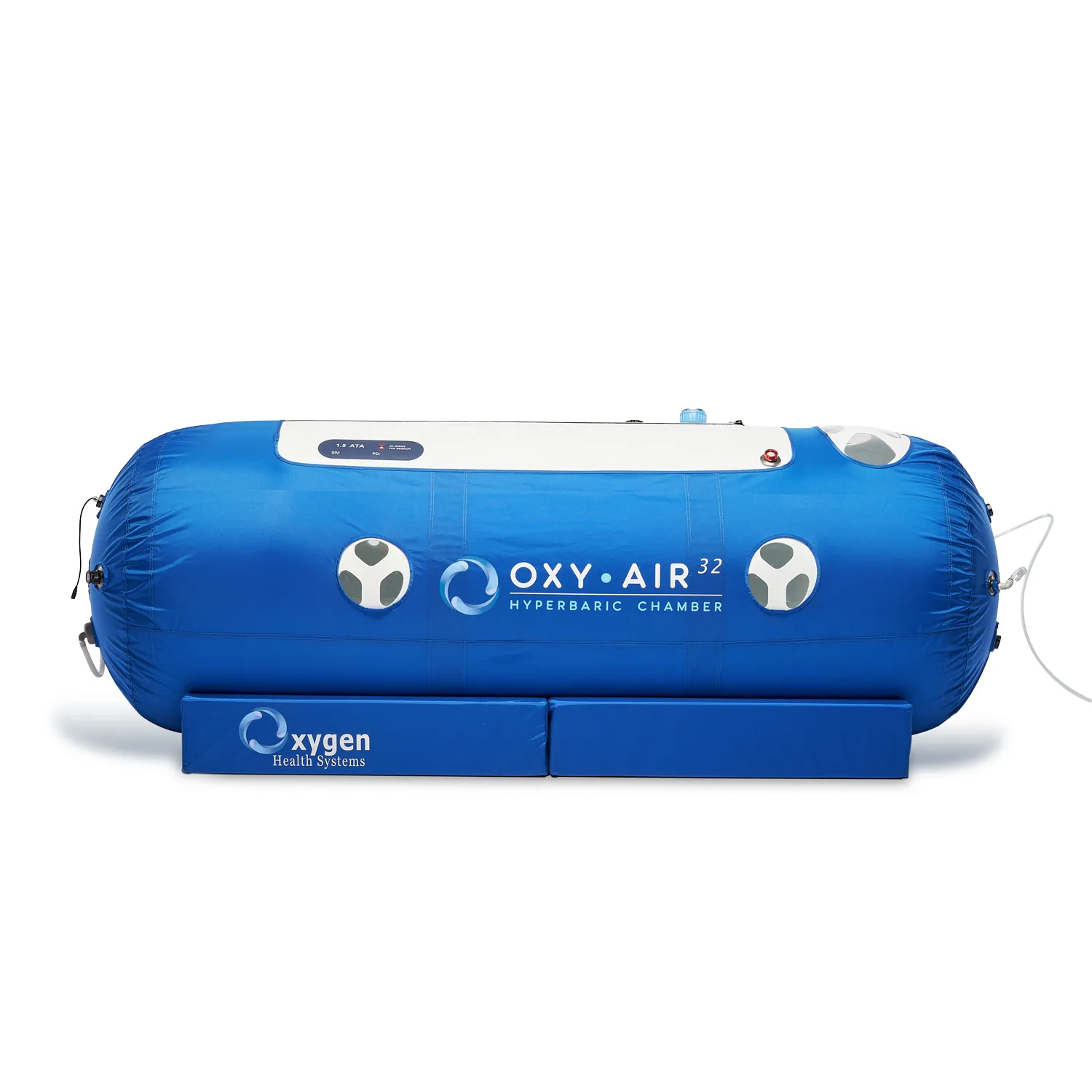
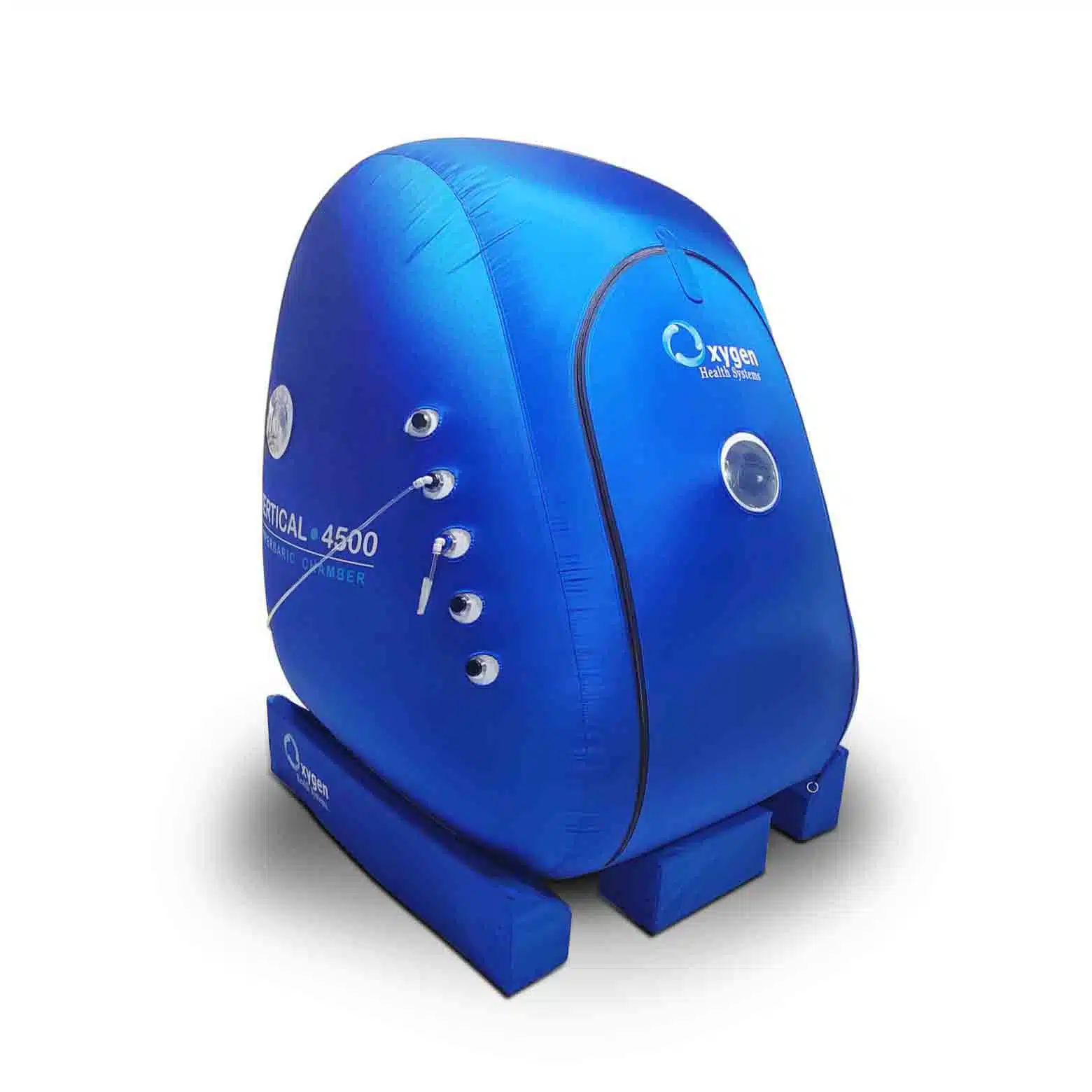
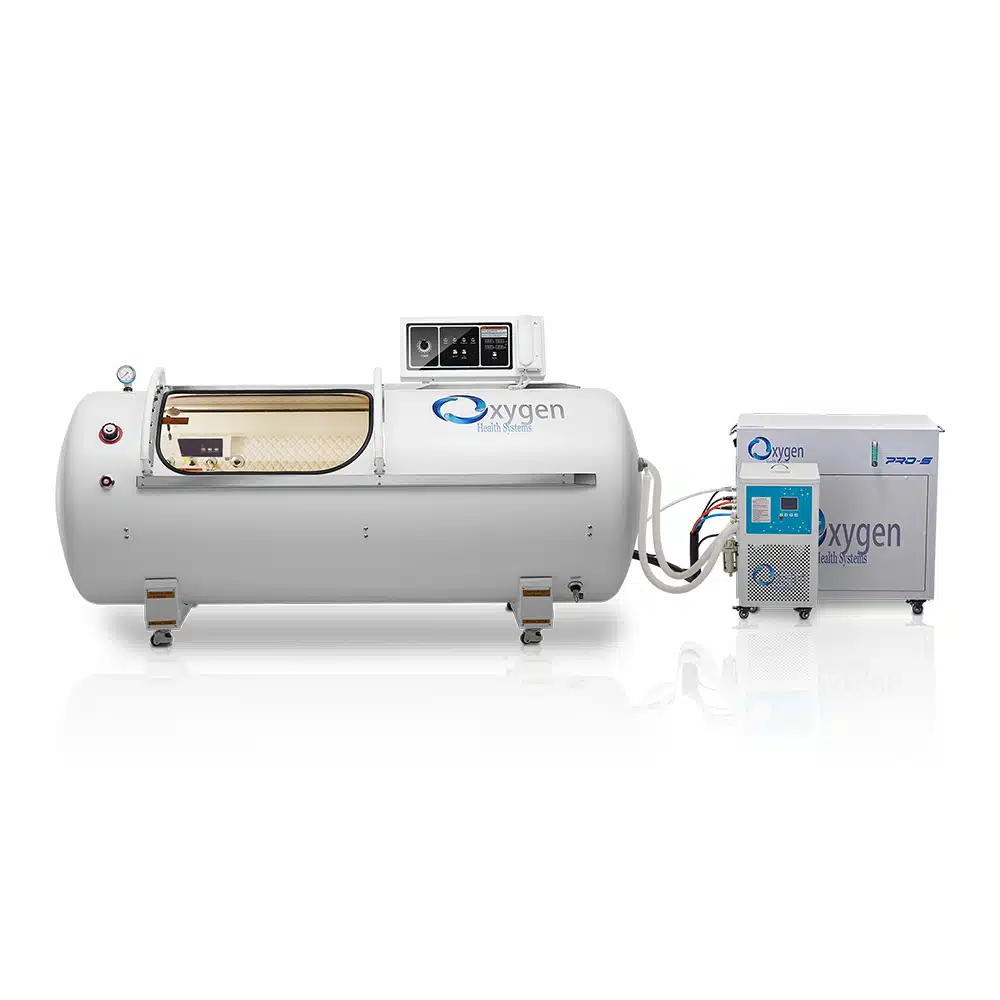
Your equipment choices define your service. Decide which pressures you’ll offer, whether you’ll run soft chambers, hard chambers or both, and how many clients you want to serve at once. A center serving families, couples or small groups may benefit from multiplace hyperbaric chambers, which let several people complete a session together and raise the revenue each time slot can generate.
Most new centers open with one or two chambers and add more as demand grows. Leave space in your floor plan for expansion, so a successful first year doesn’t force a move.
Financing makes the numbers work for many new owners. Our hyperbaric chamber financing options spread the cost over manageable monthly payments, and US businesses may be able to deduct qualifying equipment in the year it’s placed in service. Your accountant can confirm whether you qualify, and the way Section 179 applies to a hyperbaric chamber purchase is worth reviewing with them before you buy.
Phase 5: Launch And Fill Your Schedule
Start marketing at least six weeks before opening. Build your website and booking system first, then use local search, social media, referral partners and community events to generate interest. An opening offer, such as a discounted introductory session or a founding member rate, gives early clients a reason to commit.
Hire and train staff before launch, and run full practice days with friends, family or referral partners as test clients. Those practice sessions expose gaps in your booking flow, intake process and session routine while the stakes are still low.
After launch, track bookings, utilization by time of day, client retention and package sales every week. These numbers tell you when to adjust pricing, change opening hours or add capacity.
The Numbers To Know Before You Open
Before committing, build a simple financial model covering your startup costs, monthly fixed costs, cost per session, pricing and expected bookings over your first eighteen months. Calculate how many sessions a month you need to break even, then ask whether that number is realistic for your market. Lenders and investors will expect to see this model, and it’s the best protection against opening with unrealistic assumptions.
Opening With A Manufacturer Behind You
A standalone center depends entirely on its chambers running reliably every day. We’re a US based manufacturer with ten years in the hyperbaric industry, our chambers carry recognized certifications, and our showroom in Chicagoland lets you test models before you choose. Every purchase includes free Zoom training for your staff, and our US based support team is available seven days a week, from your opening day onward.
Frequently Asked Questions
How Many Chambers Should A New Center Start With?
Most centers open with one or two. Starting small keeps your initial investment manageable while you learn your demand patterns. Plan your space so you can add chambers without major renovation.
Can A Hyperbaric Center Succeed Without A Medical Professional On Staff?
It depends on your state, your chamber pressures and how you position your services. Even where it’s legally allowed, a relationship with a medical director strengthens your credibility with clients, insurers and referral partners.
Should I Offer Other Services Alongside HBOT?
Many centers add complementary services such as red light therapy, infrared sauna or PEMF to raise the value of each visit and build bundled memberships. Add them once your core hyperbaric service is running smoothly.
How Long Does It Take A Center To Become Profitable?
It varies with location, pricing and marketing, but owners should plan for a ramp up period of several months. A realistic financial model and enough working capital to cover that period are essential.