
Hyperbaric Oxygen Therapy
How to Start Offering Oxygen Therapy In Your Clinic: The Legal Steps

Nov
Starting a hyperbaric oxygen therapy service in your clinic means working through eight legal steps in order: confirming your ownership structure, putting clinical oversight in place, securing local permits, getting fire authority approval, training staff, arranging insurance, setting up consent and privacy practices, and checking your marketing. None of these steps is unusual for a healthcare business, but skipping one can delay your launch by months or expose you to liability you didn’t plan for.
We’ve spent ten years helping clinics, gyms, chiropractic offices and wellness centers across the US bring hyperbaric chambers into their facilities. This guide reflects the order we see work best. It’s general information and doesn’t replace advice from a healthcare attorney licensed in your state, because the rules change from state to state and sometimes from county to county.
Step 1: Confirm Your State Allows Your Ownership Structure
The first question is who’s allowed to own a business that offers hyperbaric oxygen therapy where you are. Many states follow a legal principle called the corporate practice of medicine, which restricts ownership of medical practices to licensed physicians or physician owned entities. California, Texas and New York enforce it strictly. Florida places no such limit on ownership, and Ohio has formally abolished the doctrine.
If you’re a physician, this step is usually simple. If you’re a chiropractor, physical therapist, nurse practitioner or business owner without a medical license, your state’s rules decide whether you can own the service outright or need a management services organization structure, where a physician owned entity handles clinical care and your company handles operations. Get this settled before you sign a lease or order equipment, because restructuring later is expensive.
Step 2: Put Clinical Oversight In Place
Most clinics offering hyperbaric oxygen therapy work under the oversight of a licensed physician who approves protocols, sets screening criteria and decides who’s a suitable candidate for sessions. The level of oversight your state expects depends partly on the pressure your chambers run at and on whether your service is positioned as clinical care or general wellness.
Your oversight arrangement should be in writing. It should name the supervising provider, spell out how clients are screened before their first session, describe how staff escalate concerns, and set out an emergency plan. A written agreement protects the clinic, the provider and your clients.
Step 3: Secure Business Licenses And Local Permits
Hyperbaric chambers are pressurized equipment, and some setups use oxygen concentrators or stored oxygen. That puts them on the radar of your city or county building department. Expect to need a general business license, a certificate of occupancy that covers your intended use, and zoning approval if your space wasn’t previously used for healthcare or wellness services.
Read your lease carefully, too. Many commercial leases restrict pressurized equipment, oxygen storage or alterations to electrical systems, and your landlord’s written consent will save you a dispute later. Room dimensions, floor loading, door widths and electrical capacity all need checking before delivery, and the questions to ask before installing a hyperbaric chamber in your facility cover the practical side of that review in detail.
Step 4: Bring Your Fire Authority In Early
Your local fire marshal, often called the authority having jurisdiction, has the final say on whether your chamber installation is approved. Most fire codes in the US reference NFPA 99, the Health Care Facilities Code, and its Chapter 14 sets out requirements specific to hyperbaric facilities. Those requirements cover fire protection, ventilation, electrical safety, oxygen handling and operational procedures, including the designation of a hyperbaric safety director for each facility.
Owners of mild hyperbaric chambers sometimes assume these rules apply only to hospitals. That isn’t a safe assumption. The Minnesota State Fire Marshal has issued an interpretation on mild hyperbaric oxygen therapy concluding that chambers operating above atmospheric pressure, and the facilities that house them, fall within the scope of Chapter 14. Other jurisdictions take different views, which is exactly why you should contact your fire authority before your chamber ships.
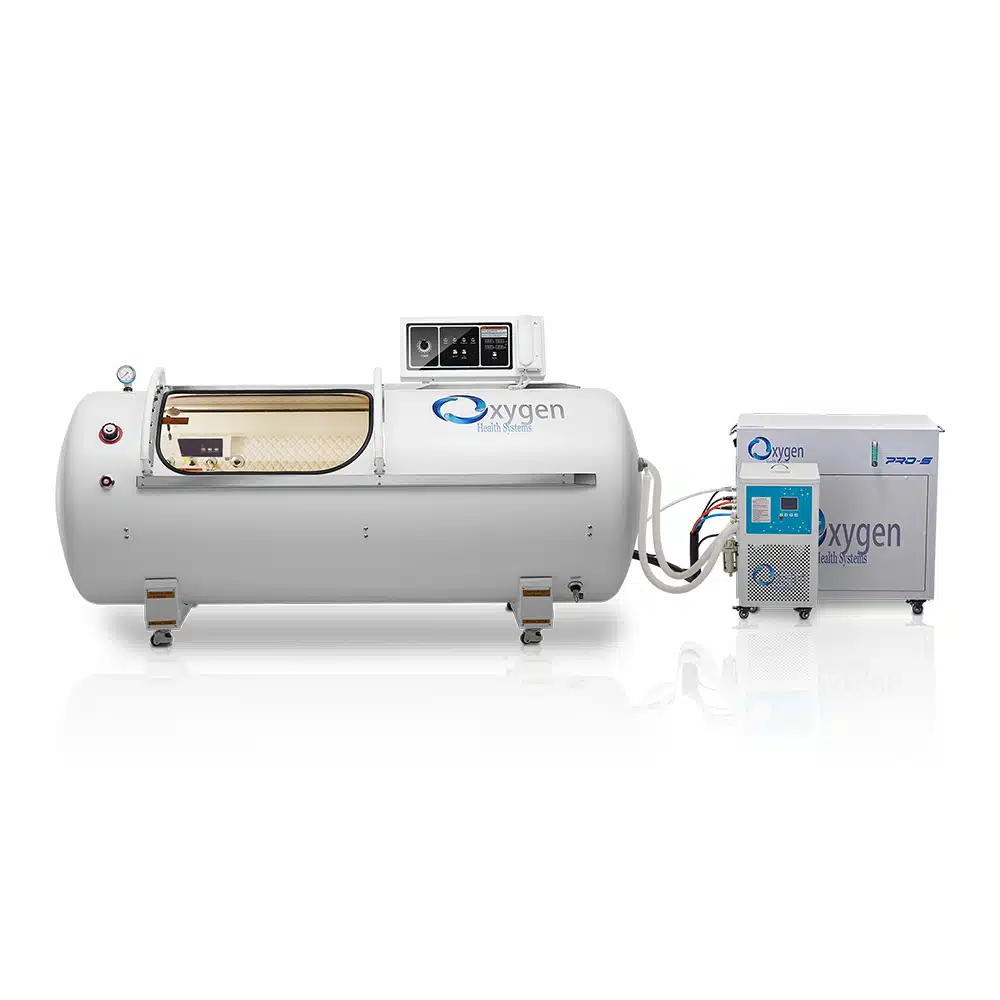
Bring manufacturer documentation to that first meeting. Fire officials want to see construction standards, certifications, operating pressures and safety features. Clinics planning higher pressure programs often choose from our range of ASME code compliant hyperbaric chambers because that documentation answers many of an inspector’s questions up front.
Step 5: Train And Credential Your Team
Your state’s scope of practice rules determine which staff members can operate a chamber and monitor clients. In a physician led clinic, that’s often a nurse, respiratory therapist or trained technician working under supervision. In a wellness setting with mild chambers, the expectations are usually lighter, but your insurer and fire authority will still want proof of training.
Many clinical programs encourage staff to pursue a recognized hyperbaric credential, such as the Certified Hyperbaric Technologist designation. Every chamber we sell includes free Zoom training for your team, and our US based support line is available seven days a week once you’re up and running.
Step 6: Arrange The Right Insurance
Standard business insurance rarely covers hyperbaric services automatically. You’ll need to tell your insurer exactly what you’re adding, including the chamber type, its maximum pressure and your staffing model. Most clinics carry general liability, professional liability, property coverage for the equipment and workers’ compensation. Get quotes before you finalize your pricing, because premiums affect your margins.
Step 7: Set Up Consent Forms And Privacy Practices
Every client should complete a health screening questionnaire and sign an informed consent form before their first session. The consent form should explain what a session involves, list the known risks and confirm the client has disclosed relevant health information.
How you store that information matters. If your clinic is a covered healthcare provider under HIPAA, the federal privacy and security rules apply to the health information you collect. Even cash pay wellness businesses that fall outside HIPAA should protect client records with the same care, because a privacy failure damages trust quickly.
Step 8: Review Your Marketing Before Launch
The Federal Trade Commission requires health related advertising to be truthful and supported by competent evidence. That applies to your website, social posts, signage and anything your staff say to prospective clients. Describe what a session involves and what clients can expect, and avoid promising outcomes for specific medical conditions. Have your attorney review launch materials before they go live.
How Long The Process Usually Takes
For a clinic that already holds the right licenses and has a cooperative landlord, the legal groundwork typically takes six to twelve weeks. Fire authority reviews are the most common cause of delay, so schedule that conversation first. Clinics that need to restructure ownership or renovate their space should plan for longer.
Planning Your Hyperbaric Service With A US Based Partner
The equipment you choose shapes almost every step above, from the documentation your fire marshal reviews to the training your insurer asks about. We’re a US based manufacturer founded by engineers, our chambers carry recognized certifications, and our Chicagoland showroom lets you test chambers in person before you commit. When you’re ready to talk through your clinic’s plans, our team works with owners on hyperbaric programs for businesses of every size, and financing is available.
Frequently Asked Questions
Is There A Specific License For Offering Hyperbaric Oxygen Therapy?
Most states don’t issue a standalone license for hyperbaric services. Your legal standing comes from the professional licenses held by your clinical staff, your business licenses, your ownership structure and your local permits. A healthcare attorney can confirm whether your state has any additional registration requirements.
Do I Need New Approvals If I Move My Chamber To A Different Location?
Yes. Fire authority approval, occupancy permits and zoning are tied to a specific address. Moving a chamber, even within the same building, usually means a fresh review, so build that time into any relocation plan.
Can I Offer Sessions Before All My Permits Are Finalized?
You shouldn’t. Operating a pressurized chamber without fire authority sign off can void your insurance, expose you to fines and give your local officials grounds to shut the service down. Wait until every approval is in writing.
Does Adding A Second Chamber Restart The Approval Process?
Often it does, at least partially. A second chamber changes your oxygen load, electrical demand and occupancy calculations, so your fire authority will typically want to review the updated plan. Mention future expansion during your first meeting to make later approvals smoother.