Hyperbaric Oxygen Therapy
5 Reasons Med Spas Are Investing in HBOT

Sep
The American Med Spa Association puts average annual revenue per medical spa at $1,398,833 for 2024, up from $1,307,587 the year before, with US industry revenue above $17 billion and growing by more than $1 billion a year. The number of locations has expanded alongside it, from 8,899 to 10,488 across recent reporting periods.
Growth on that scale changes what a med spa has to do to stand out locally, and it’s part of why hyperbaric oxygen therapy has started appearing on aesthetics menus next to injectables, lasers and body contouring. Here are five reasons owners give for adding it, with the practical detail behind each one.
1. Longevity Is Where Client Interest Has Moved
Med spa clients who once asked only about wrinkles and volume now ask about skin quality, energy and ageing more broadly. That shift has pulled a set of services into aesthetics that used to sit in wellness centres.
Hyperbaric therapy suits that conversation because it’s systemic. A client booking it isn’t buying a treatment for one area of the face, and that changes the sales conversation from a single procedure to an ongoing programme.
It also brings in clients who don’t want injectables. That’s a meaningful segment in most areas, and they’re often willing to spend at similar levels on services they consider less invasive.
2. The Skin Research Gives It A Place On An Aesthetics Menu
Clients and practitioners both ask what the evidence shows for skin specifically, and there’s a study worth knowing in detail.
A prospective clinical trial published in Aging took repeat skin biopsies from participants in a healthy ageing cohort before and after a course of daily hyperbaric sessions. Researchers reported a significant increase in collagen density, a significant increase in elastic fibre length, and an increase in the number of blood vessels in the tissue. Fibre fragmentation and tissue senescent cell counts both decreased. Elastic fibre density and thickness showed no change.
The limits matter as much as the findings. Thirteen participants gave consent for repeated biopsies out of a cohort of 70, all of them men with an average age of 68, and the protocol ran daily sessions over three months. That’s a small, specific sample and an intensive schedule.
Used properly, the study supports describing what researchers measured in skin tissue and explaining why the service is sold as a course. It doesn’t support promising a client a particular cosmetic result, and your marketing copy should stay on the right side of that line.
3. It Earns Revenue Without Consuming Injector Hours
Med spa capacity is usually constrained by how many hours your injectors and licensed practitioners can work. Every service that depends on those hours competes for the same finite resource.
Equipment-led services break that constraint. A hyperbaric session needs a trained attendant to run it safely, and it doesn’t need your highest-paid clinical staff standing in the room. The chamber earns during hours when your injectors are booked elsewhere, unavailable or off.
The practical effect is better use of the building. Rooms that would sit empty on a Tuesday morning have something to sell, and the marginal cost of that sale is low once your fixed costs are covered.
4. It Sits Naturally Inside A Treatment Plan
Med spas already sell in plans and packages, which makes adding a course-based service straightforward.
The combinations owners report using most often are hyperbaric sessions alongside skin-focused programmes, longevity or healthy ageing packages that include testing at either end, and wellness memberships where a set number of sessions is included each month.
One note of caution belongs here. Clients will ask whether a session helps them recover after a procedure. The honest answer is that this is a wellness service, and their treating practitioner is the person to advise on anything relating to a specific procedure. Med spas that blur that boundary create difficulties for themselves with clients, with practitioners and with insurers. Keeping the service clearly positioned protects everyone.
Certification is worth checking at this stage too, because your insurer will ask what you’ve installed and to what standard. The certifications published by Oxygen Health Systems show what each standard covers, which is the level of detail an underwriter tends to want.
Practitioner buy-in is what makes the pairing work. Injectors and aestheticians are the ones clients ask about additional services, and a team that understands the protocol will recommend it naturally. A team that wasn’t consulted before the purchase tends to treat the chamber as somebody else’s project, and bookings show it.
5. Local Differentiation Is Getting Harder
With more than 10,000 med spas operating in the US and neurotoxins and fillers accounting for around half of industry revenue, most local markets have several providers offering a near-identical core menu at similar prices.
A chamber changes the comparison. It’s visible, unusual, and expensive enough that a competitor can’t match it within a season. It gives your marketing something concrete to describe, and it gives local practitioners a specific reason to refer clients to you.
It also supports the premium end of your pricing. A client choosing between two providers for injectables often decides on the strength of everything else they see in the building.
How Med Spas Usually Phase It In
Few practices launch a chamber into a fully built programme. The common approach runs in three stages, each answering a question before the next investment.
| Phase | Focus | What you learn |
| Launch, months 1 to 3 | Single sessions and a short introductory course, offered to existing clients | Who in your base is interested and what they’ll pay |
| Build, months 4 to 9 | Courses, bundles with skin or longevity services, referral conversations with local practitioners | Repeat purchase rate and realistic utilisation |
| Programme, month 10 onward | Memberships, structured programmes with testing at both ends, staff selling it as standard | Whether the service supports long-term recurring revenue |
The launch phase is where most of the useful information comes from, and it’s worth resisting the temptation to discount heavily during it. An introductory rate that sits far below your intended price tells you what clients will pay for a bargain and very little about what they’ll pay ordinarily.
Set a review date at the end of each phase with the figures you need in front of you: bookings per week, repeat purchase rate, revenue per session and the proportion of clients who came from referrals. Three honest reviews in the first year will tell you more than any projection made before purchase.
What To Check Before You Add It
Five things to establish before committing:
- Space and access. Room clearance, delivery route, door and lift dimensions, and floor loading.
- Electrical supply. Confirmed by a qualified electrician well before the delivery date.
- Staffing. Who runs sessions, what training they receive, and what happens on their days off.
- Insurance. Your provider’s requirements on equipment, training and client screening.
- Running costs. Energy, consumables, servicing and staffing, in writing, from the supplier.
Once those are settled, model the return on your own numbers. Our ROI calculator takes session pricing, expected bookings and running costs and shows you a payback period you can test against a conservative first year.
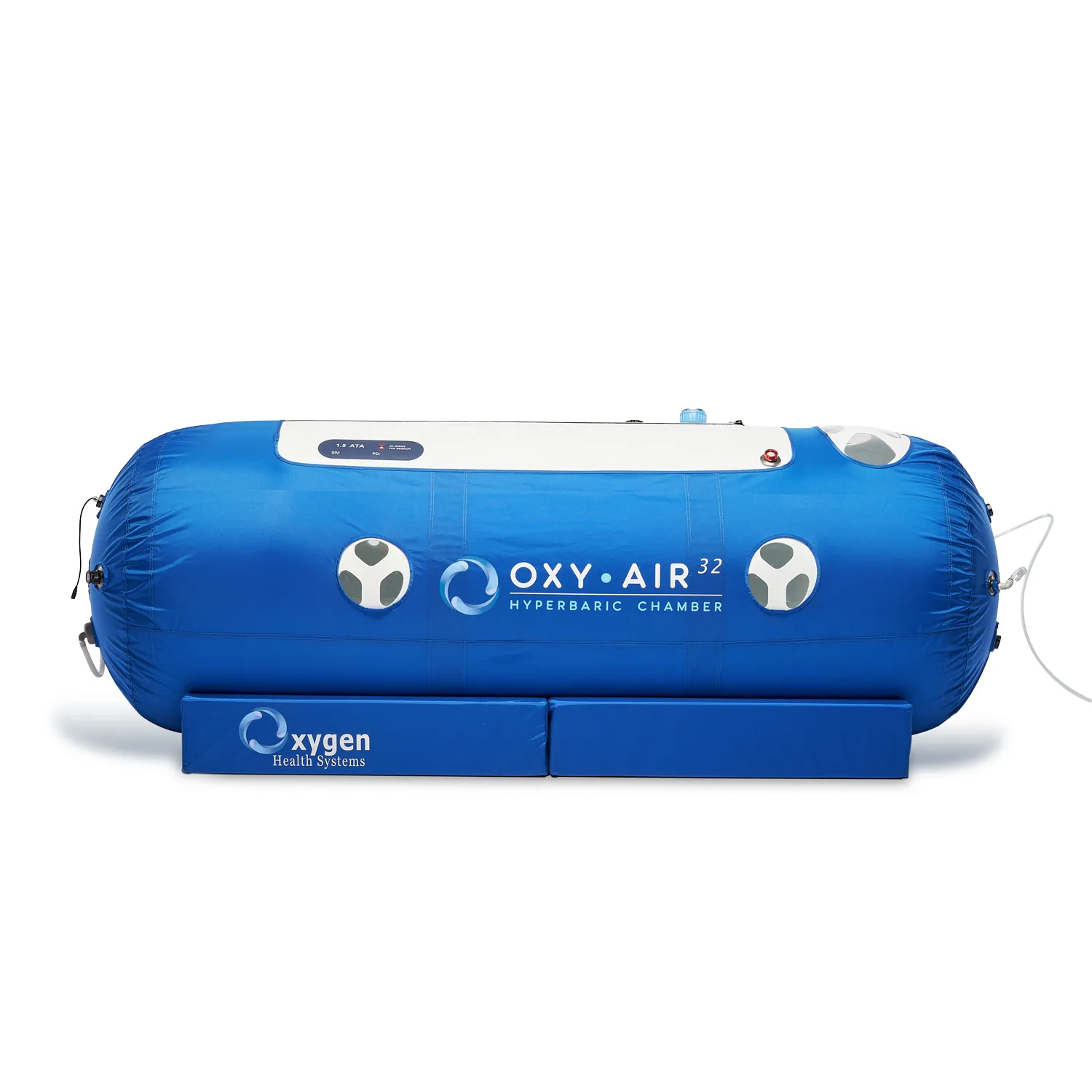
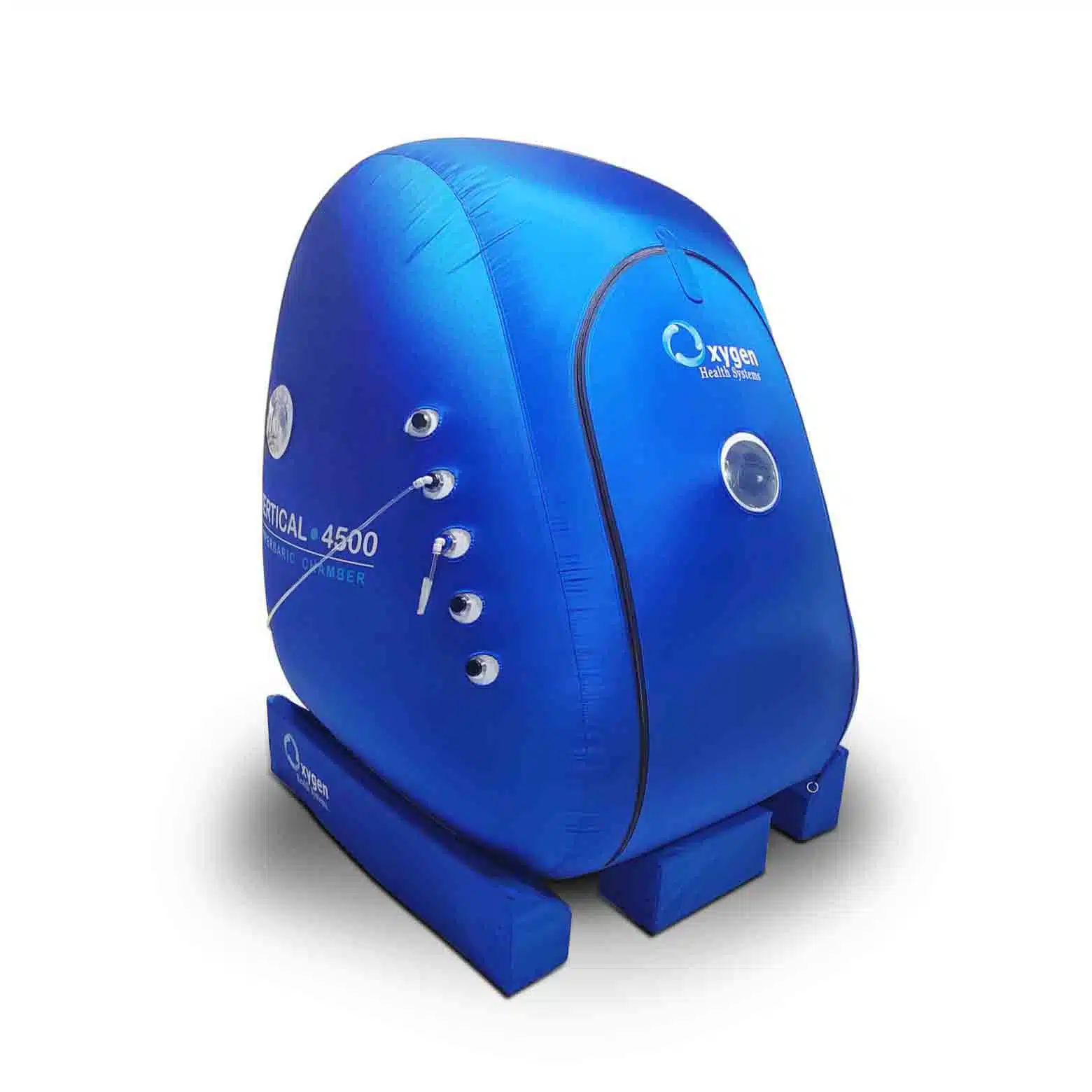
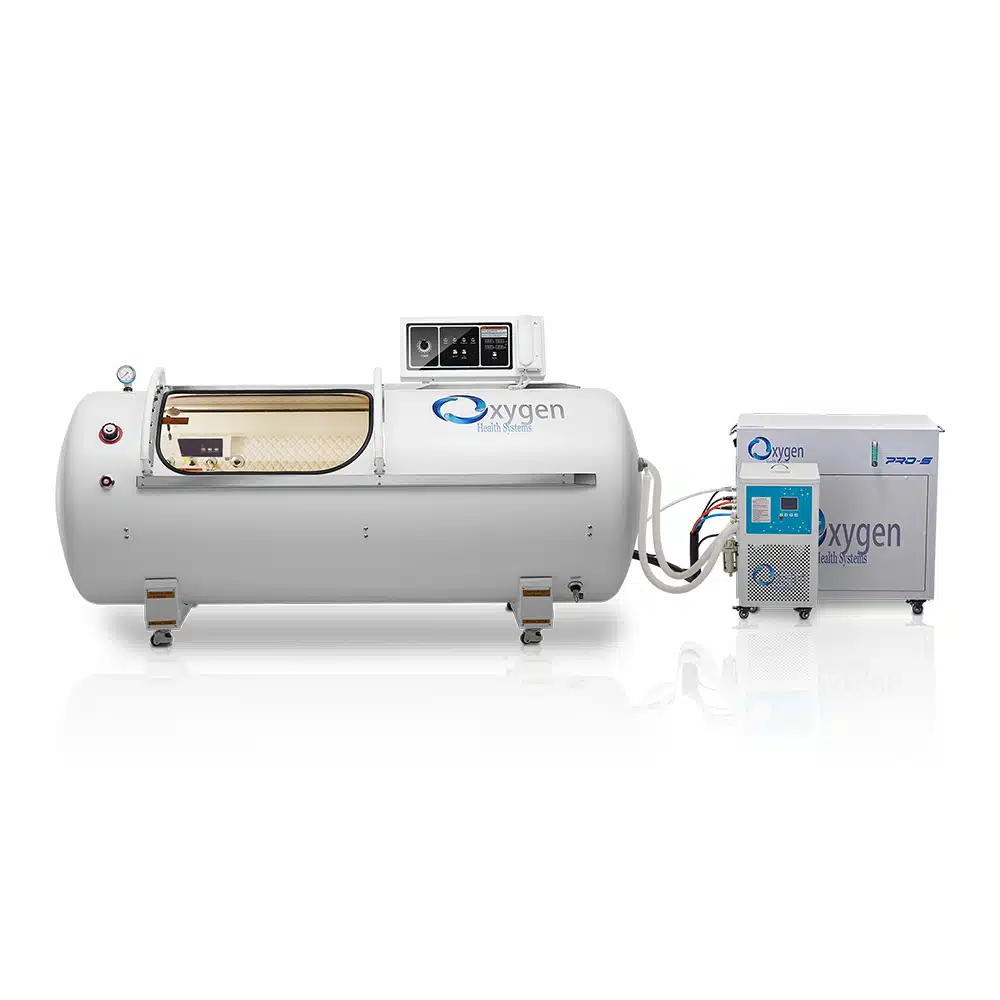
At Oxygen Health Systems, you get chambers engineered for the session volumes a busy aesthetics practice generates, backed by ISO-certified manufacturing, free Zoom training for your team and seven-day support from a US-based supplier. Compare sizes, pressures and configurations across the ASME code compliant chambers to see what fits your treatment room layout.
Frequently Asked Questions
What does a hyperbaric chamber add to a med spa menu?
It adds a course-based wellness service that appeals to clients interested in ageing, skin quality and general recovery. Commercially, it earns revenue from room time, which suits a business whose capacity is limited by clinical staffing.
How long is a typical session?
Sessions usually run 60 to 90 minutes including pressurisation and depressurisation, with additional turnaround time for cleaning and resetting between clients. Factor both into your booking schedule.
Does a med spa need a physician on site to offer it?
Requirements vary by state and by how the service is positioned, so check your own regulations and speak to your insurer. Operator training on the equipment is the baseline expectation from suppliers.
How should a med spa price hyperbaric sessions?
Most price single sessions as a premium purchase and then offer better per-session rates inside courses or memberships. Build your pricing from running costs and target payback first, then compare it against local providers.
Will clients book it alongside aesthetic treatments?
Many do, usually as part of a broader plan focused on skin quality or general wellbeing. Keep the service positioned as wellness in your materials and let clients’ treating practitioners advise on anything specific to a procedure.
Sources
- American Med Spa Association, medical spa industry revenue and location data: https://americanmedspa.org/news/5-things-you-didnt-know-about-medical-spas
- Hachmo Y, Hadanny A, et al., The effect of hyperbaric oxygen therapy on the pathophysiology of skin aging: a prospective clinical trial, Aging (2021): https://www.ncbi.nlm.nih.gov/pmc/articles/PMC8660605/