
Home Hyperbaric Chamber
Home vs Multiplace Chambers for Family Wellness
Sep
Hyperbaric oxygen therapy used to be something one person did alone in a chamber built for one body. That’s still true for a large share of buyers. But a growing number of households, couples, and small clinics are asking a different question: does it make more sense to buy a chamber that fits more than one person at a time?
The answer depends less on preference and more on how the chamber will actually be used week to week. This covers what separates a home monoplace chamber from a multiplace configuration, and who each one actually serves.
What “Home” and “Multiplace” Actually Mean Here
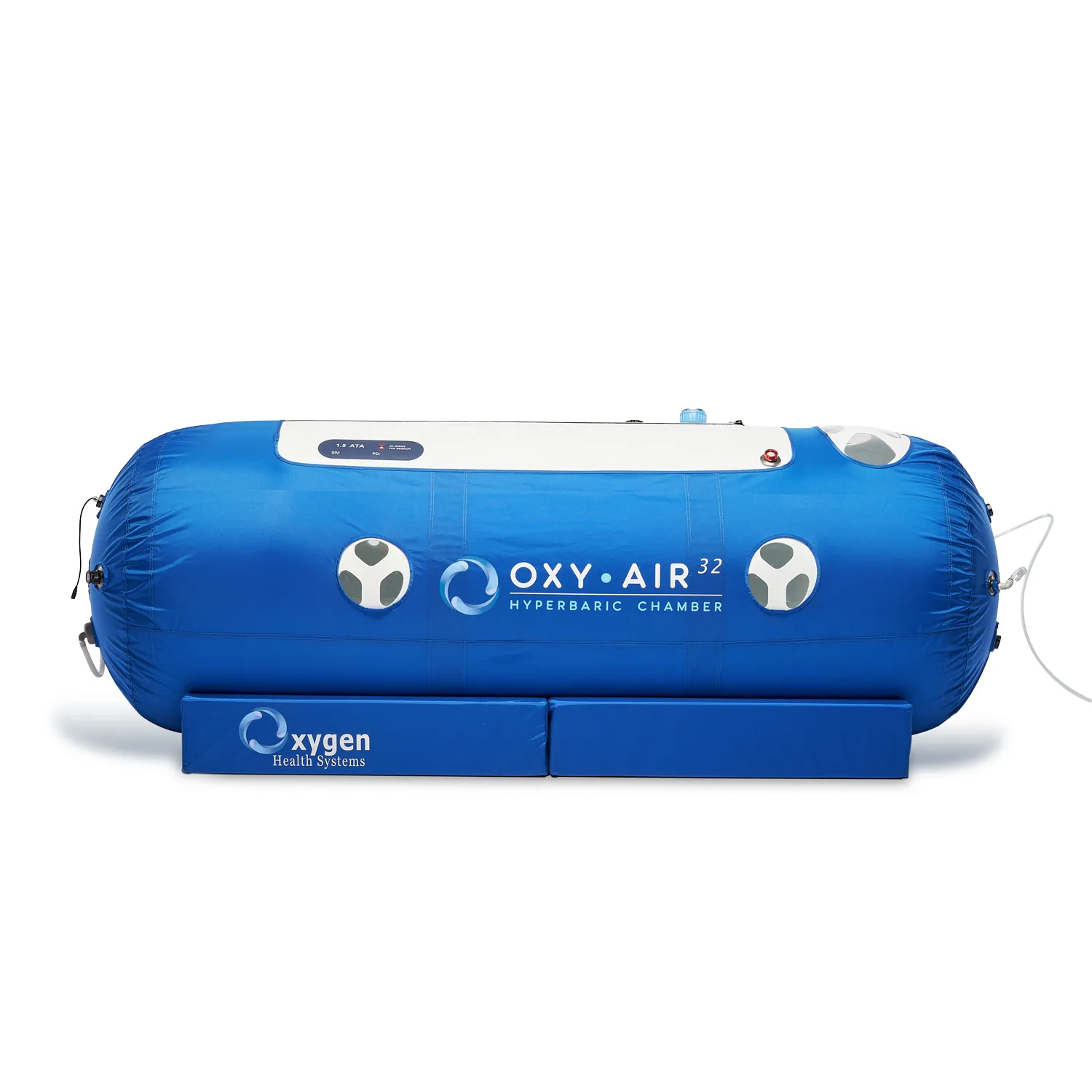
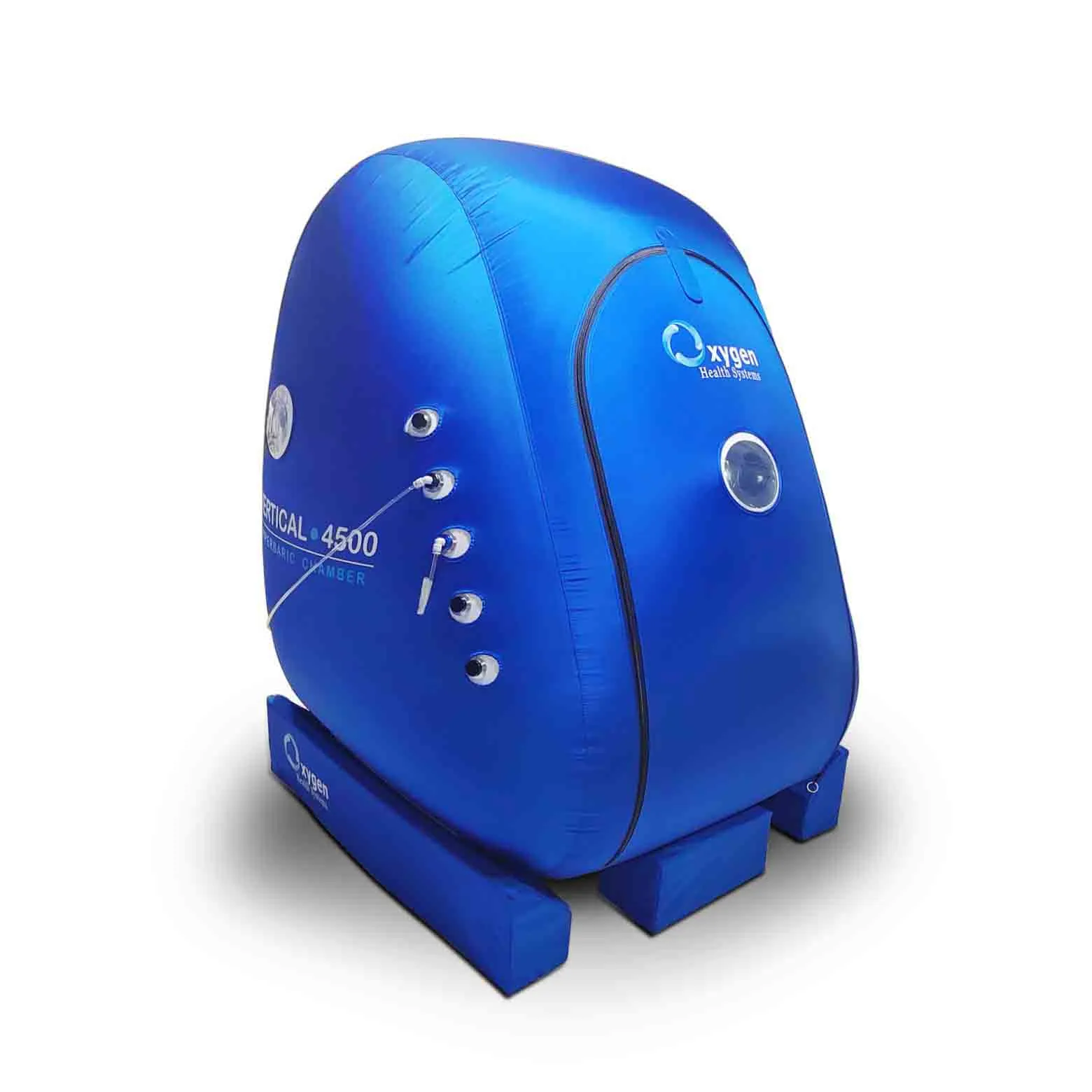
A home hyperbaric oxygen chamber typically refers to a single-user soft or hard chamber sized and priced for personal, in-home use. These range from entry-level lying soft chambers under $10,000 to vertical hard chambers in the $20,000 to $35,000 range for 2.0 ATA sessions.
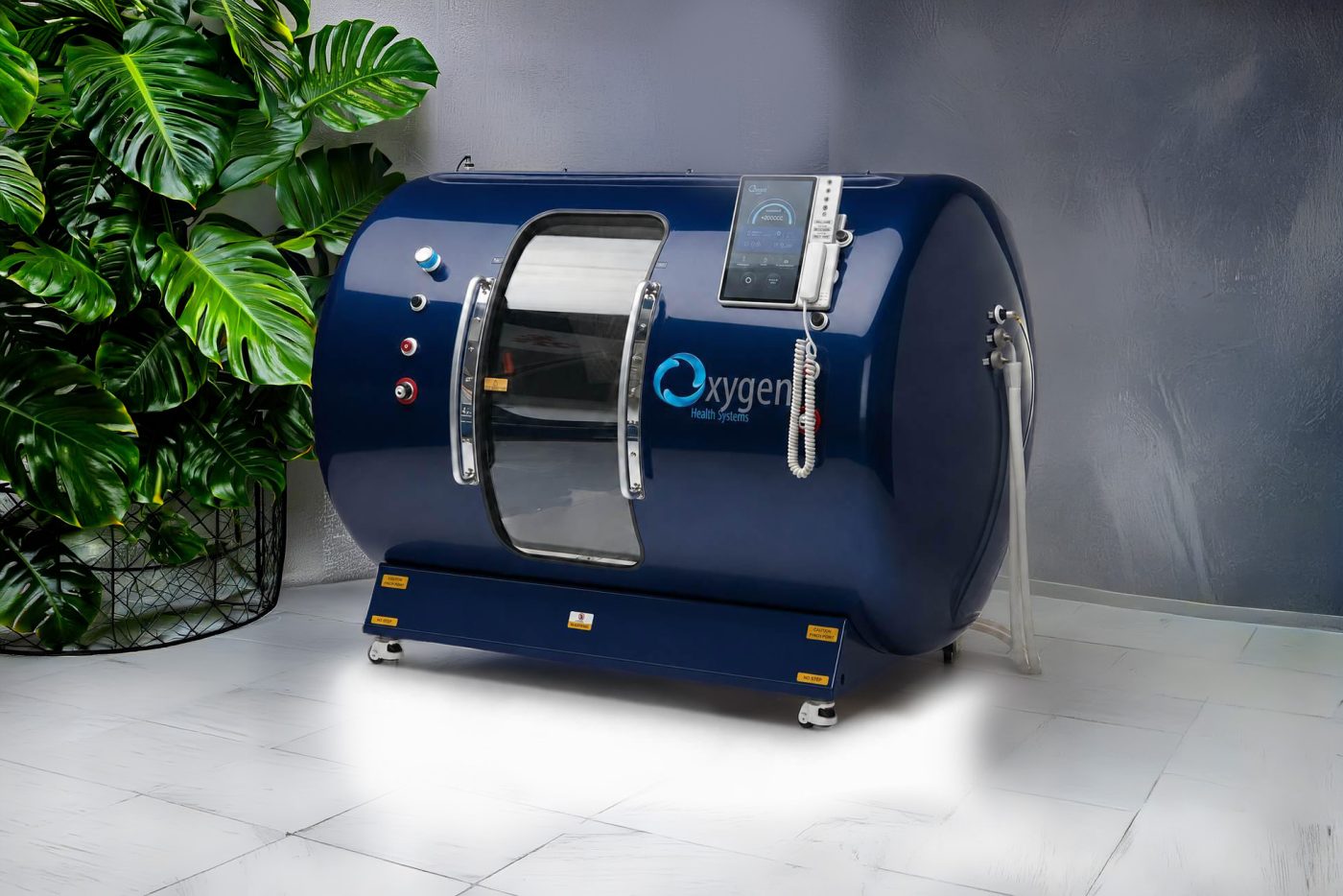
A multiplace chamber is built to hold two or more occupants during a single session, each with independent oxygen delivery through separate masks. Oxygen Health Systems’ multiplace lineup, the XLS40, M5500, and EXS64, uses a walk-in design suitable for home, clinical, and wellness center settings, not the large steel hospital-style multiplace chambers built for institutional use.
The distinction that actually matters for buyers isn’t size. It’s whether the chamber needs to serve one person’s schedule or more than one person’s schedule at the same time.
When a Single Home Chamber Makes Sense
For an individual using hyperbaric therapy for personal wellness, recovery, or anti-aging support, a home monoplace chamber is almost always the right starting point. It costs less, takes up less space, and there’s no coordination required around who uses it when.
This is also the right choice for a household where only one person is actually going to use the chamber regularly. Buying a multiplace configuration to accommodate a partner or family member who might use it occasionally, but doesn’t have a consistent recovery routine, usually isn’t worth the additional investment.
When Multiplace Makes Sense for Families and Couples
The case for multiplace changes when two or more people in the same household have an actual, ongoing reason to use hyperbaric therapy on a similar schedule. This shows up in a few common situations.
Couples with shared recovery or wellness goals. Partners who train together, are both managing recovery from injury or surgery, or have both adopted hyperbaric therapy as part of a longevity and wellness routine benefit from being able to do sessions together rather than sequentially. A 90-minute session done twice, once per person, adds up to three hours of chamber time a day. Done together, it’s 90 minutes.
Parents and adult children, or multi-generational households. Some families adopt hyperbaric therapy as a shared wellness practice, particularly where an older family member is managing a chronic condition and a younger family member wants to use the same equipment for general recovery or wellness support.
Aesthetics clinics and medspas. For a medspa adding hyperbaric therapy to its service menu, multiplace configurations solve a real operational problem: two clients can be scheduled into the same time slot instead of one client occupying the chamber while another waits. Each occupant still receives independent oxygen delivery through their own mask, so shared sessions aren’t a compromise on the therapy itself.
Comfort and Session Experience
A home monoplace chamber is designed around one person’s comfort for the duration of the session. A multiplace chamber has to work for more than one body, more than one preference, and in some cases more than one goal within the same session.
Oxygen Health Systems’ multiplace configurations are built as walk-in chambers rather than lying enclosures, which changes the experience meaningfully. Occupants can sit upright, move somewhat within the chamber, and use the space more like a small room than a capsule. For two people sharing a session, this matters more than it does for a solo user in a monoplace lying chamber, where the enclosed, one-person format is simply the expected format.
Safety Considerations for Shared Sessions
Shared sessions introduce a few safety considerations that don’t apply to solo use.
Independent oxygen delivery per occupant is non-negotiable. Each person in a multiplace session needs their own mask and airflow, not a shared chamber atmosphere that assumes uniform oxygen needs across different body sizes and health conditions. This is standard on Oxygen Health Systems’ multiplace lineup.
Different occupants may also have different pressure tolerances or medical clearances. A clinic or household running shared sessions should confirm that a multiplace configuration allows appropriate protocols for each individual rather than forcing a one-size session on everyone inside the chamber at once.
Emergency access matters more with more than one occupant. Interior and exterior emergency release mechanisms should be confirmed on any multiplace chamber being evaluated, and occupants should understand how to use them before a session begins.
Cost and Long-Term Value
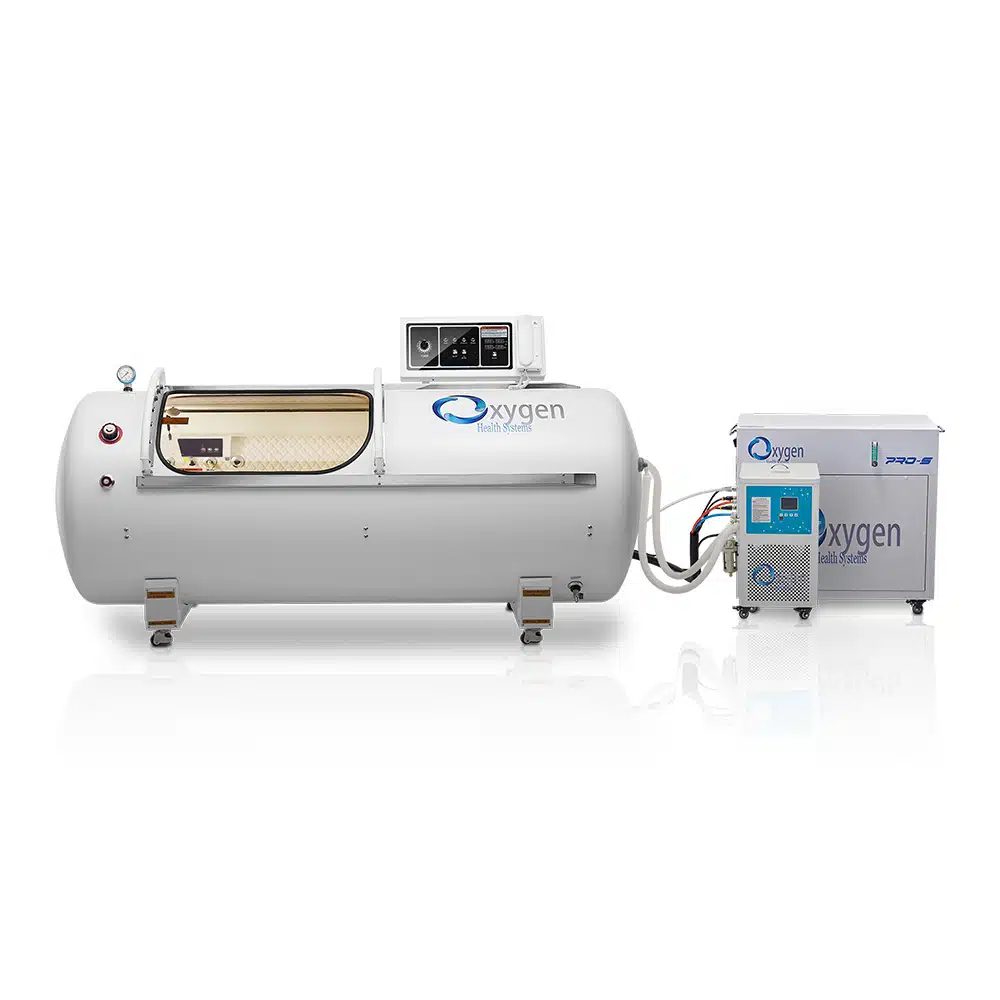
A home monoplace hard chamber runs roughly $20,000 to $35,000. Oxygen Health Systems’ multiplace configurations start higher, reflecting the larger structure, multiple oxygen delivery systems, and additional compressor capacity required to serve more than one person reliably.
The value comparison isn’t just sticker price. For a household or clinic with two or more regular users, a multiplace chamber can cost less per person-hour of therapy than buying two separate monoplace units, and it takes up a single footprint rather than two. For a household with only one committed user, that math doesn’t hold, and a monoplace chamber remains the better value.
Questions to Ask Before Choosing
Before deciding between a home monoplace and a multiplace configuration, it’s worth answering a few questions honestly.
How many people in the household or practice will actually use the chamber on a regular basis, not occasionally? What does a typical week of usage actually look like, sequential sessions or genuinely simultaneous need? Is the primary use case general wellness, recovery from a specific condition, or a mix across different occupants? For a clinic, does the scheduling problem multiplace solves justify the additional investment relative to expected client volume?
Common Questions
Can a couple use a monoplace chamber together? No. Monoplace chambers, whether soft or hard, are built for one occupant. Two people sharing hyperbaric therapy sessions together need a multiplace configuration with independent oxygen delivery for each person.
Is a multiplace chamber worth it for a two-person household? It depends on how consistently both people will actually use it. If both partners have an ongoing, regular reason to do sessions, the shared-session efficiency and single footprint can justify the cost. If one partner uses it occasionally, a monoplace chamber for the primary user is usually the better value.
Do multiplace chambers support different pressure needs for different occupants within the same session? This varies by chamber and protocol design. It’s worth confirming directly with the manufacturer how pressure and oxygen delivery are managed when occupants have different clearances or goals.
Are multiplace chambers appropriate for medspas and aesthetics clinics? Yes. Multiplace configurations let clinics schedule two clients into the same session slot, each receiving independent oxygen delivery, which improves throughput compared to sequential monoplace scheduling.
What is the price difference between home and multiplace chambers? Home monoplace hard chambers generally run $20,000 to $35,000. Multiplace configurations start above that range, scaling with size and occupancy capacity.
Whether a home or multiplace chamber is the right purchase comes down to how many people will actually use it and how often, not which one sounds more capable on paper. Oxygen Health Systems manufactures both, in the United States, with every chamber built under ISO 9001, ISO 13485, and ISO 14001 requirements and backed by a three-year warranty.
Explore the full Oxygen Health Systems chamber lineup
Schedule a free consultation with an Oxygen Health Systems specialist
Oxygen Health Systems | Woodridge, Illinois | Ships from the US | ASME Code Compliant | ISO 9001, ISO 13485, ISO 14001 Certified | Three-Year Manufacturer’s Warranty