
Hyperbaric Oxygen Chambers
Hyperbaric Chambers For Veterinary Clinics

Nov
Veterinary clinics add hyperbaric oxygen therapy to offer pet owners an additional supportive option for wound healing, neurological recovery and post surgical care. A dedicated animal chamber fits into most small animal practices, sessions are short enough to schedule around routine appointments, and owners who’ve read about hyperbaric oxygen for people are increasingly asking whether it’s available for their pets.
For a practice considering a chamber, the key questions are what the research shows in animals, how sessions are run safely, which regulations apply and whether the service makes financial sense. We’ll cover each one.
Why Veterinary Interest Is Growing
Hyperbaric oxygen has a long history in human medicine, and veterinary use has grown steadily over the past decade, particularly in specialty and referral hospitals. University teaching hospitals and private practices across the US now run animal chambers, and high profile use in performance horses and working dogs has raised awareness among owners.
Owner expectations play a part. Pet owners are investing more in advanced care, and many actively look for clinics offering integrative options alongside conventional treatment. A practice that can offer hyperbaric sessions in house, supervised by the veterinary team that knows the animal, gives those owners a clear reason to stay with the practice. The questions owners raise when researching hyperbaric oxygen therapy for pets tend to arrive at the front desk soon after.
What The Science Says
Veterinary research on hyperbaric oxygen is less extensive than human research, but useful clinical data is building. One of the largest reviews came from the University of Florida’s veterinary teaching hospital, which analyzed 2,792 hyperbaric sessions in small animal patients over more than seven years. The patients included 542 dogs, 24 cats and a small number of exotic pets.
The most common reasons for sessions were neurologic injuries, which made up about half of cases, and tissue healing, which made up nearly a third. The authors concluded that hyperbaric oxygen appeared safe across a range of uses. The most significant adverse event was oxygen toxicity affecting the central nervous system, which occurred in 0.7 percent of sessions, with older animals at higher risk, and no adverse events were recorded in cats or other species.
That study does two things for a practice. It shows that hyperbaric sessions can be delivered safely at scale with good protocols, and it highlights why careful patient selection and continuous monitoring matter. Veterinary teams should present hyperbaric oxygen to owners as a supportive therapy used alongside standard veterinary care, and should be clear that controlled trials in animals are still limited.
How Sessions Run In Practice
Animal sessions are usually shorter than human sessions and are always supervised. A typical workflow looks like this:
- The veterinarian assesses the patient and decides whether hyperbaric sessions are appropriate.
- The owner receives an explanation of what’s involved, the expected number of sessions and the known risks, then signs a consent form.
- Staff remove collars, bandages with metal components and anything else prohibited inside the chamber.
- The patient is placed in the chamber, which is pressurized gradually while staff watch for signs of distress.
- A trained team member monitors the patient continuously until the chamber is depressurized and the patient is removed.
- The session, the patient’s behavior and any concerns are recorded in the medical record.
Some patients are anxious at first. Calm handling, familiar bedding and short introductory sessions help most animals settle.
Regulations And Safety For Veterinary Facilities
Veterinary facilities sit in a slightly different regulatory position from human clinics. The NFPA 99 Health Care Facilities Code, which sets requirements for many human hyperbaric facilities, is written for facilities that treat people. That doesn’t mean animal chambers are unregulated. Local fire codes, building codes and your fire authority’s judgment still apply, particularly where oxygen is stored and used.
Contact your fire authority before installation, explain your plans and ask what they expect. Confirm with your professional liability insurer that hyperbaric sessions are covered, and check whether your state veterinary board has issued any guidance. Build written protocols for patient selection, monitoring, emergency procedures and chamber maintenance, and train every team member who will operate the chamber.
The Business Case For A Veterinary Chamber
Hyperbaric sessions for pets are typically a cash service charged per session or per course. Patients recovering from wounds, surgery or neurological injuries often need a series of sessions, which creates repeat visits and stronger relationships with owners.
The chamber also differentiates your practice. Many owners would otherwise need to travel to a referral hospital for hyperbaric care, and offering it locally makes your practice the natural choice. Referral relationships with nearby clinics that don’t have a chamber can add further volume.
Choosing A Chamber For Your Practice
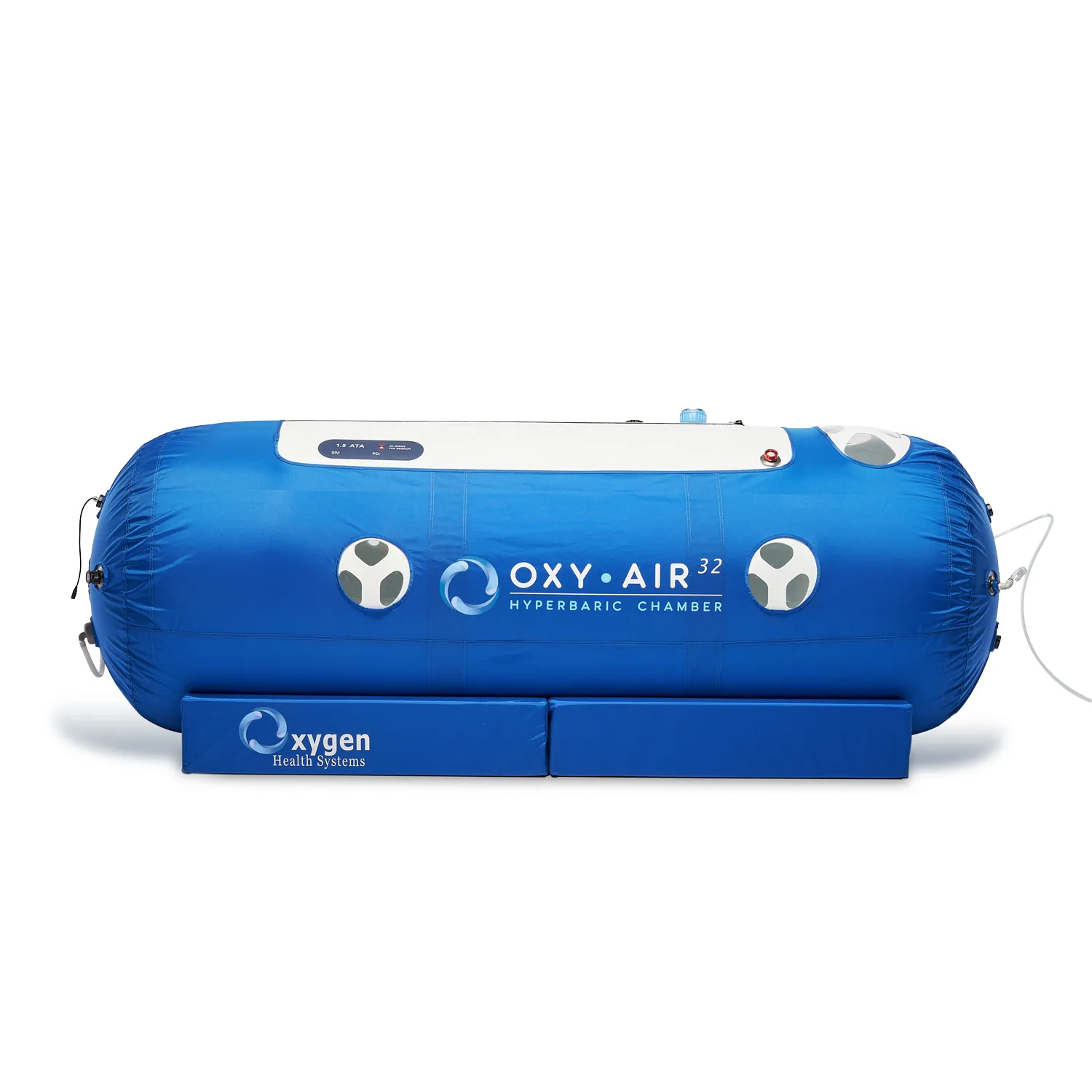
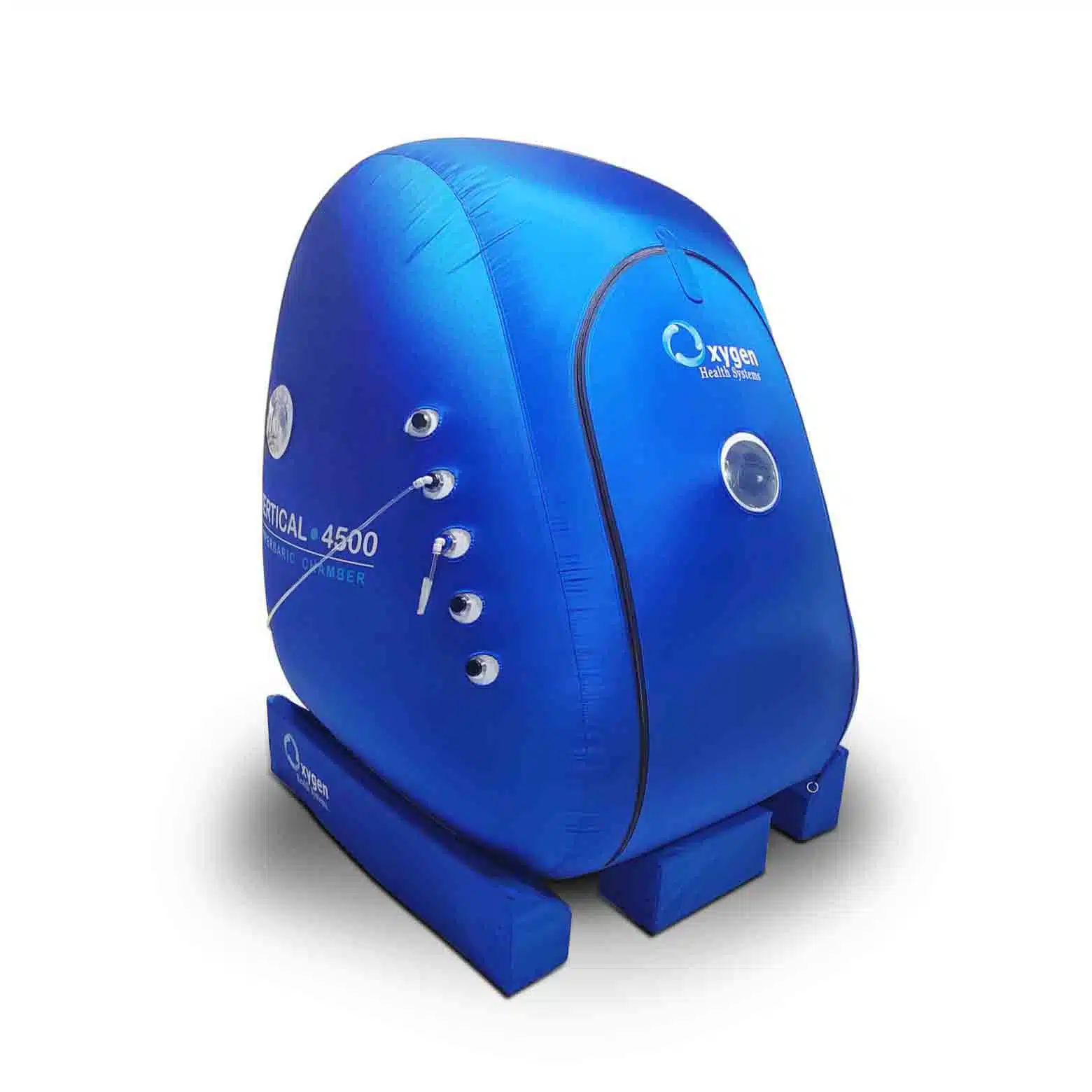
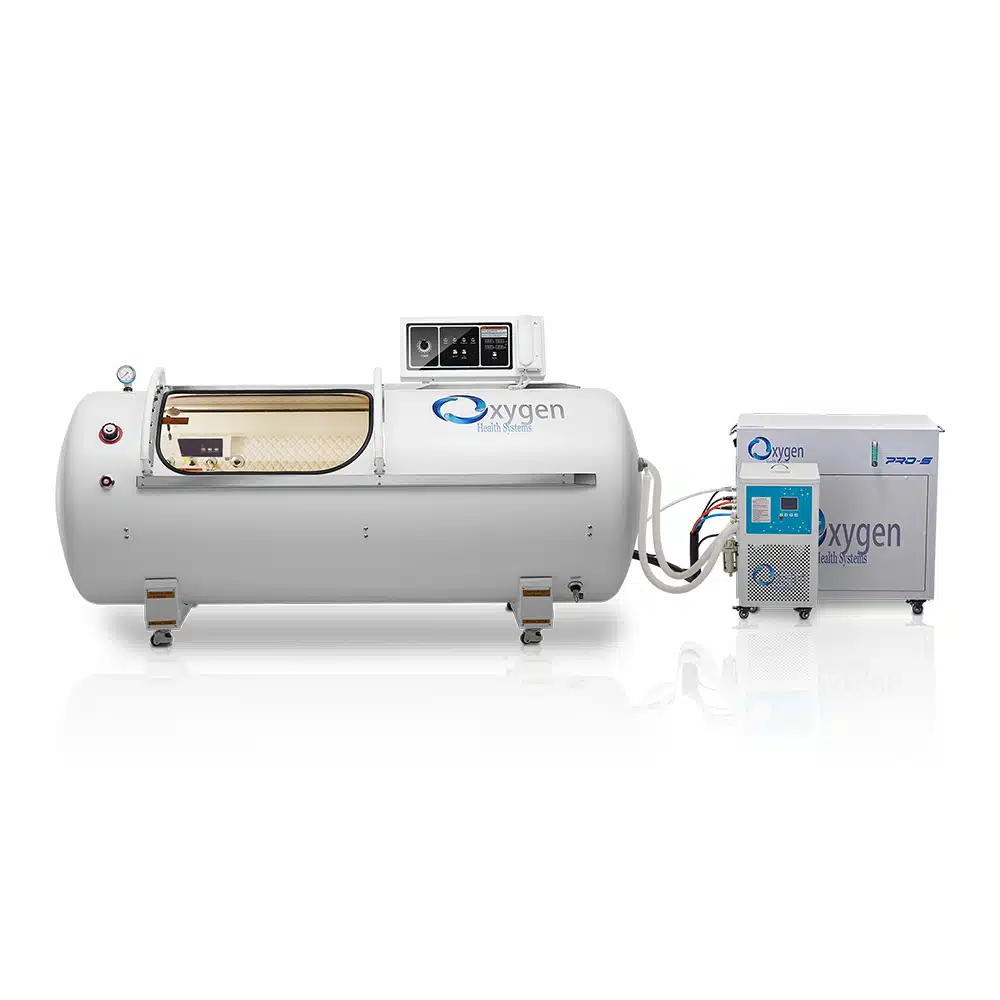
Size the chamber to the patients you see most. A small animal practice needs a chamber that accommodates its largest common patients comfortably, with clear viewing windows and easy access for staff. Our pet oxygen chambers are designed for animal use, and our team can talk you through capacity, installation and setup for your practice.
Every chamber includes free Zoom training for your team and access to our US based support seven days a week. You’re welcome to visit our Chicagoland showroom to see chambers in person before you decide, and financing is available.
Frequently Asked Questions
Do Animals Need To Be Sedated For Hyperbaric Sessions?
Most don’t. Many animals rest calmly once the chamber is pressurized, especially after a short introductory session. Your veterinarian should decide case by case and weigh the risks of sedation against the patient’s temperament.
How Many Sessions Does A Typical Patient Need?
It depends on the reason for treatment and the patient’s response. Courses commonly range from a few sessions to more than ten, and the treating veterinarian should set and review the plan.
Can Large Dogs Use A Veterinary Chamber?
That depends on the chamber’s internal dimensions. Check the chamber’s specifications against your largest common patients before buying, and make sure staff can load and unload larger dogs safely.
Are There Animals That Shouldn’t Use A Chamber?
Yes. Animals with certain lung conditions, some types of seizure history or recent trauma to the chest may not be suitable candidates. The treating veterinarian should screen each patient before their first session.