
Life Style
What Is the Difference Between Soft and Hard Chambers

Aug
If you’ve started researching hyperbaric chambers, you’ve likely noticed the market splits into two very different categories: soft-sided, portable chambers and rigid, hard-shell chambers. They’re sometimes discussed as if they’re just two sizes of the same product, but the differences go deeper than appearance. Pressure capability, construction material, how oxygen actually reaches you inside the chamber, and the settings each is designed for all diverge in ways that matter if you’re trying to understand hyperbaric oxygen therapy as a category.
This article breaks down the core distinctions between soft and hard hyperbaric chambers so you can make sense of the terminology before evaluating any specific product or provider.
The Core Distinction: Pressure
The single biggest difference between soft and hard hyperbaric chambers is how much pressure they can safely and effectively generate, measured in ATA (atmospheres absolute; one ATA equals normal sea-level atmospheric pressure).
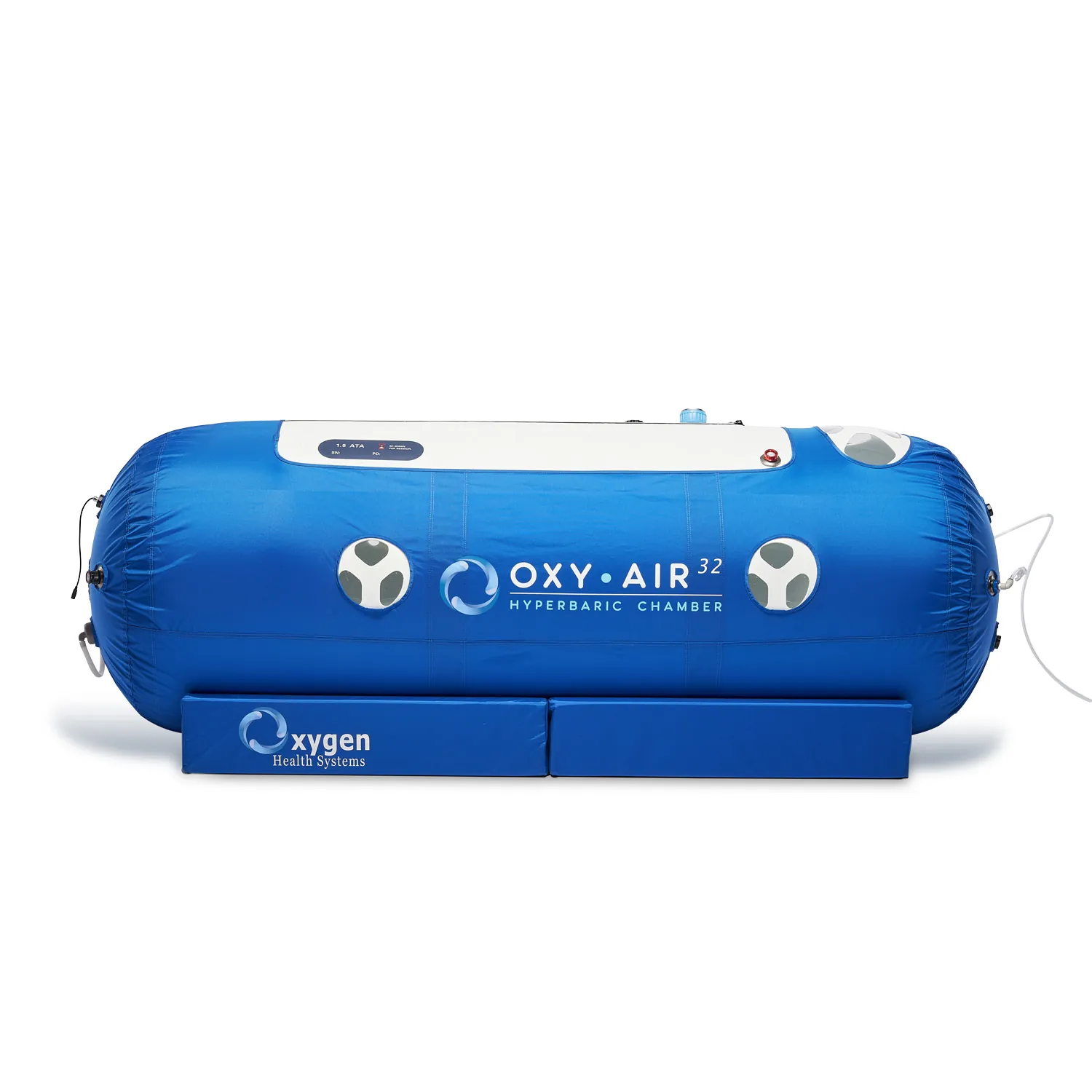
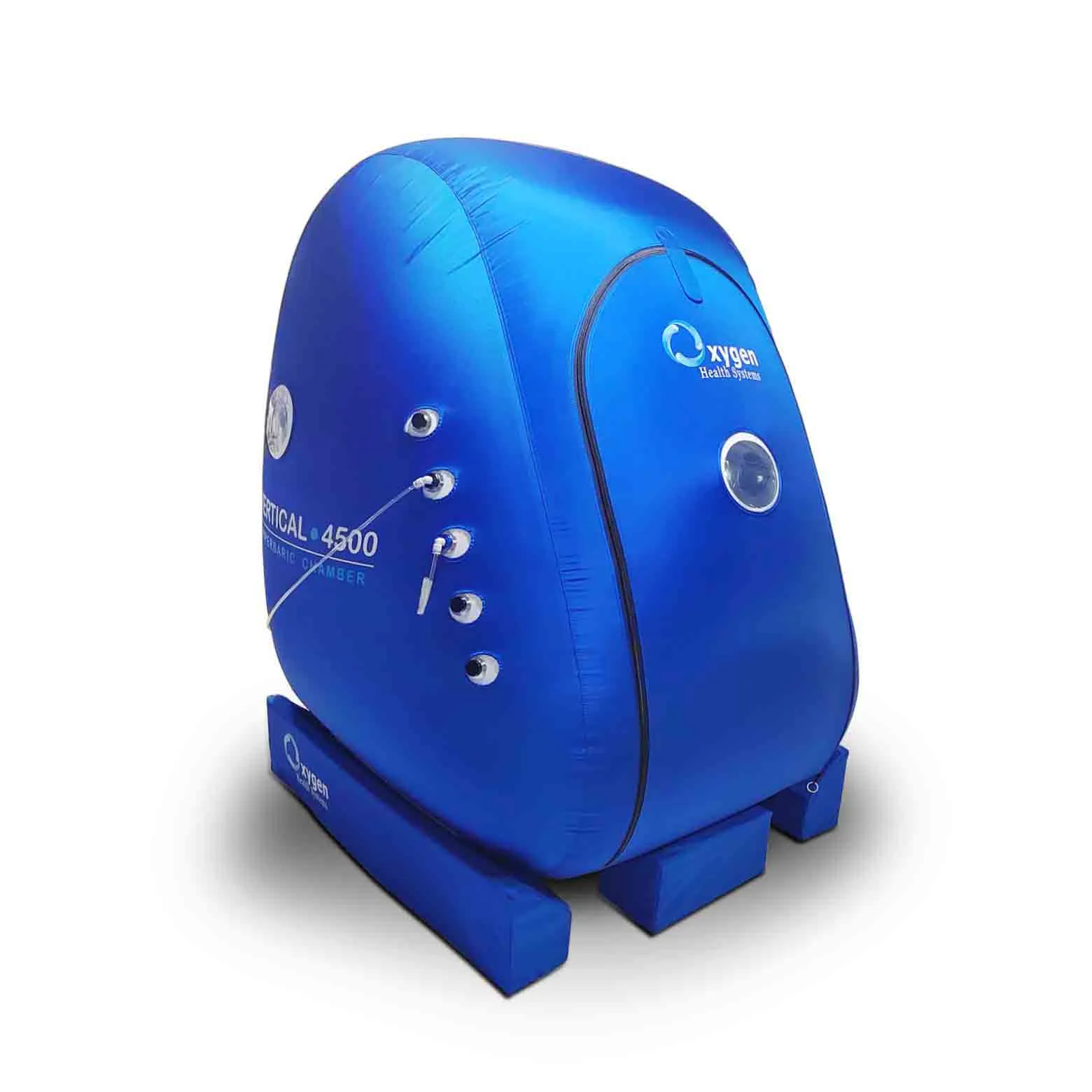
Soft-sided chambers, often called mild hyperbaric chambers, typically operate in a lower pressure range, commonly up to around 1.3 ATA. That’s a modest increase over normal atmospheric pressure, and it’s an inherent limit of the technology: fabric and flexible materials aren’t built to safely contain higher pressures.
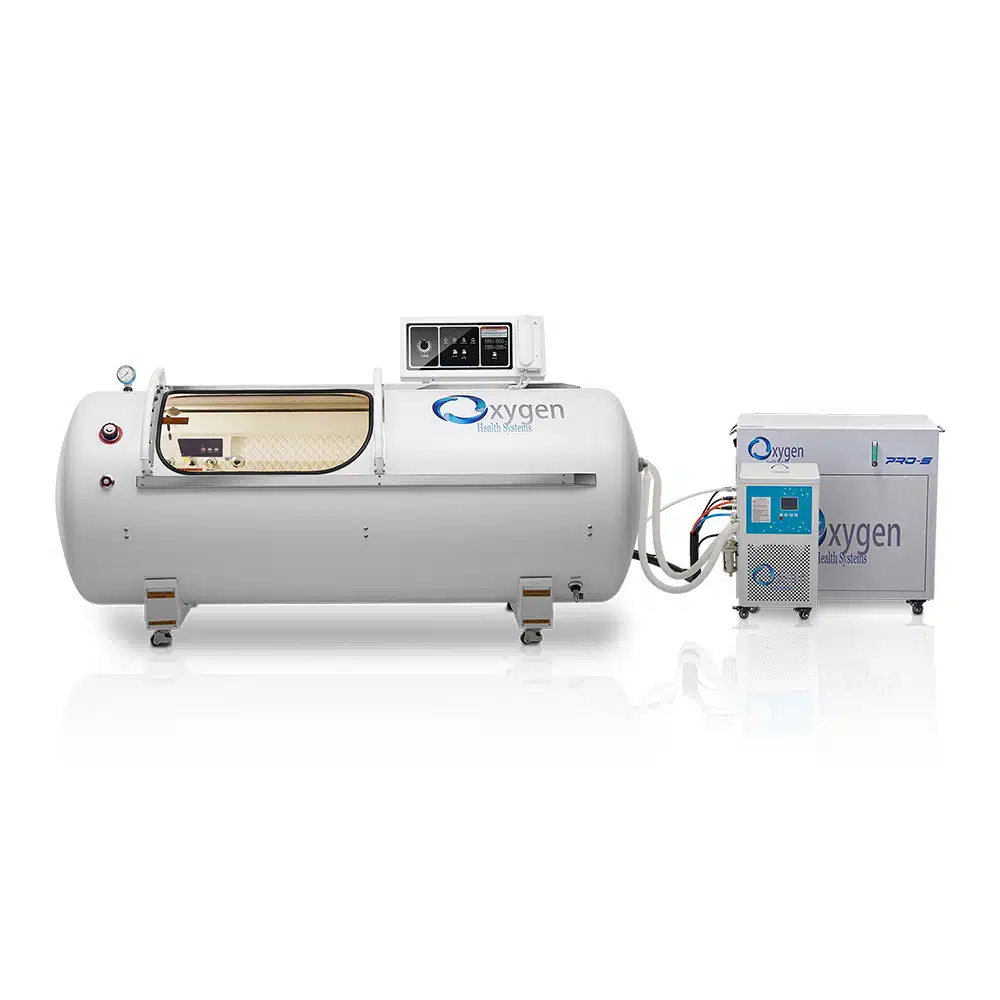
Hard-shell chambers, built from rigid materials like steel, acrylic, or aluminum, can reach substantially higher pressures, often 2.0 ATA and above, with clinical and hospital-grade chambers going higher still for specific medical protocols. This higher pressure ceiling is what allows hard chambers to be used for the FDA-approved medical indications for hyperbaric oxygen therapy, such as decompression sickness and certain non-healing wounds, which generally require pressure levels beyond what soft chambers can produce.
This pressure difference is the reason the two chamber types aren’t interchangeable substitutes for each other. They’re built for different pressure ranges, and the physiological effect of hyperbaric oxygen therapy scales with pressure.
Construction and Materials
The pressure difference is a direct consequence of what each chamber is made of.
Soft chambers use a flexible, fabric-based envelope, typically a durable, multi-layer material similar to what’s used in inflatable structures, reinforced to handle repeated pressurization cycles. The flexible design is what makes these chambers portable, easier to transport, and generally lower-cost to manufacture, but it also caps the pressure they can safely hold.
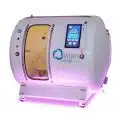
Hard chambers use rigid shells, either cylindrical steel or aluminum structures (common in hospital and clinical multiplace chambers) or acrylic-walled designs (common in single-person hard chambers used in clinics). The rigid structure is what allows them to be engineered and certified for higher pressure operation, but it also makes them heavier, more expensive, and less portable. Hard chambers are generally installed as fixed equipment rather than moved between locations.
How Oxygen Delivery Differs
Oxygen delivery is often described as a major dividing line between soft and hard chambers, but in practice it’s less of a difference than people expect. Most soft chambers sold today include a dedicated oxygen port and are used with a supplemental oxygen concentrator and mask, the same basic delivery approach used in most hard chambers outside of hospital settings. From a delivery-method standpoint, a soft chamber paired with a concentrator and mask isn’t fundamentally different from a hard chamber set up the same way.
Where a real difference does show up is concentration and setting. Hospital-based hard chambers used for FDA-approved treatment typically deliver near-100% oxygen through a mask, hood, or built-in breathing circuit under direct physician supervision. Hard chambers used in spas, wellness centers, and clinics treating conditions outside the FDA-approved list generally run in the 95% oxygen range through an oxygen concentrator, similar to what’s used with a soft chamber. There’s some genuine disagreement within the hyperbaric community about how much this 95% versus 100% distinction actually matters, since the dose delivered in a session is generally understood as a function of pressure, oxygen percentage, and time in the chamber together, not oxygen percentage alone. A modest difference in oxygen concentration doesn’t necessarily translate to a proportionally different overall dose once pressure and session length are factored in.
So the more accurate way to frame this distinction isn’t “soft chambers breathe air, hard chambers breathe oxygen.” It’s that both categories are commonly used with supplemental oxygen delivery today, and the more meaningful differences are elsewhere: the pressure the chamber can reach, and, for hard chambers specifically, the delivery hardware available to support that oxygen system.
Advanced Features More Common in Hard Chambers
Because hard chambers are built around a rigid frame and higher pressure tolerance, they can support delivery and control hardware that isn’t currently practical to build into a soft chamber. A few examples worth knowing about if you’re comparing options:
Built-in Breathing System (BIBS) capability. Some hard chambers can be equipped with a BIBS setup, a fixed oxygen delivery system built into the chamber itself. This isn’t available on soft chambers today.
One-touch pressure selection, inside and out. Hard chambers can support pressure controls operable from both inside and outside the chamber, along with preset programs, such as OHS’s 6P/OS trademark customized protocol presets, that let a practitioner select a ready-to-go protocol rather than adjusting settings manually for each client. This kind of preset flexibility is particularly useful for practitioners working with clients who have varied needs from session to session.
More powerful cooling systems. Hard chambers typically integrate more capable air conditioning and dehumidifying systems, built to support the higher demand of a rigid, higher-pressure environment over longer or more frequent sessions.
Additional control and comfort features, including session timers with countdown display, auto-depressurization that ends a session without requiring an operator to manually depressurize the chamber, child lock controls, and interior customization options like bedding, custom interior finishes, and a low-voltage, chamber-mounted smart TV.
None of this means a soft chamber is a lesser option. Soft chambers remain the more accessible, portable, and affordable entry point for general wellness use. But for practitioners or buyers who want the more advanced control and delivery hardware described above, that functionality is currently found on the hard chamber side of the market.
What Each Is Typically Used For
Soft hyperbaric chambers are most commonly found in wellness centers, athletic recovery facilities, and home settings. Given their lower pressure ceiling, they’re generally positioned around general wellness use, relaxation, and recovery support rather than treatment of specific diagnosed medical conditions.
Hard hyperbaric chambers are the standard in hospitals and specialized hyperbaric medicine clinics, where they’re used under physician supervision for the FDA-approved indications for hyperbaric oxygen therapy. Multiplace hard chambers (which fit more than one person, often with a clinician present) are typically used in hospital settings, while monoplace hard chambers (single-person, usually acrylic-walled) are common in outpatient wound care and hyperbaric medicine clinics.
Cost and Accessibility
These differences translate directly into cost. Soft chambers are meaningfully less expensive to purchase or rent, which is part of why they’ve become the more common option for home and wellness-center use. Hard chambers represent a significant capital investment, generally require dedicated space and sometimes facility modifications, and are almost always found in a clinical setting rather than purchased for individual home use.
Safety Considerations for Both
Regardless of chamber type, hyperbaric oxygen exposure carries some universal safety considerations: the need for gradual pressurization and depressurization to protect the ears and sinuses, awareness of contraindications (certain lung conditions, some ear and sinus conditions, and specific medications or medical histories), and the importance of using equipment that’s properly maintained and, where applicable, cleared or registered with the relevant regulatory body.
Higher pressure generally means a higher bar for training and supervision. Hard chamber sessions, especially at pressures used for FDA-approved treatment, are typically administered under direct clinical supervision. Soft chamber use, given the lower pressure range, has a different, generally lower, supervision threshold, though users should still follow manufacturer guidance and disclose relevant health history before use.
What This Looks Like in Real Products
The soft-versus-hard distinction is easiest to understand against actual equipment. Oxygen Health Systems is one of the few US manufacturers that builds across both categories rather than specializing in just one. Its soft chamber lineup covers lying and sitting configurations up to roughly 1.3 ATA, including the wheelchair-accessible MC 4500U, which uses a U-shaped door for mobility-limited users. On the hard chamber side, the 57″ Vital Sphere 360 is a 2.0 ATA vertical chamber built for clinical programs and premium home installations, manufactured in an ASME code-compliant facility. OHS also produces multiplace walk-in chambers, the XLS40, M5500, and EXS64, which extend the hard-versus-soft question into a third category built for more than one occupant at a time.
By contrast, some manufacturers specialize in only one side of this divide. Summit to Sea, for example, focuses exclusively on soft chambers in the 1.3 to 1.5 ATA range for home wellness use and does not make hard chambers at all. Institutional manufacturers like Perry Baromedical and Sechrist Industries sit at the other end, building FDA-cleared hard chambers specifically for hospital and clinical procurement rather than home or wellness-center buyers. Knowing where a manufacturer sits on this spectrum tells you a lot about who their equipment is actually built for.
Choosing Between Them
The right chamber type depends entirely on what you’re trying to accomplish. If you’re managing a diagnosed medical condition on the FDA-approved indications list, that treatment happens in a clinical setting with a hard chamber, under physician supervision. That’s not a choice between chamber types so much as a matter of accessing appropriate medical care. If you’re interested in general wellness, recovery support, or want to understand at-home options, a soft chamber’s lower pressure ceiling and greater accessibility make it the more common entry point, with the tradeoff being a more modest physiological effect than what a higher-pressure hard chamber can produce.
Common Questions
Can a soft chamber be upgraded to a hard chamber later? No. The two use fundamentally different construction, so a soft chamber can’t be converted. Buyers who anticipate wanting higher pressure down the line sometimes choose a manufacturer, such as Oxygen Health Systems, that offers both categories so they can move to a hard chamber as a separate purchase without switching brands.
Are multiplace chambers soft or hard? Multiplace chambers, including OHS’s XLS40, M5500, and EXS64, are typically walk-in hard chamber designs, since accommodating multiple people at meaningful pressure generally requires rigid construction.
Which type is FDA-cleared for medical treatment? Higher-pressure hard chambers, generally at or above 2.0 ATA, are the category used for the FDA-approved indications for hyperbaric oxygen therapy. Soft chambers are typically positioned around general wellness use rather than treatment of a specific diagnosed condition.
The Bottom Line
Soft and hard hyperbaric chambers differ in pressure capability, construction material, oxygen delivery method, and the settings they’re typically used in. Soft chambers offer accessibility and portability at a lower pressure ceiling; hard chambers offer higher pressure capability suited to clinical, FDA-approved treatment but require a clinical setting and supervision. Understanding this distinction is the foundation for evaluating any specific hyperbaric oxygen therapy option, whether you’re researching it for general wellness or discussing it with a physician for a specific medical condition.
Oxygen Health Systems has been manufacturing chambers in the United States for over ten years, covering soft, hard, and multiplace configurations for home users, wellness clinics, and clinical programs.
Explore the full Oxygen Health Systems chamber lineup
Schedule a free consultation with an Oxygen Health Systems specialist
Oxygen Health Systems | Woodridge, Illinois | Ships from the US | ISO 9001, ISO 13485, ISO 14001 Certified | ASME Code Compliant | Three-Year Manufacturer’s Warranty