Biohacking
How Biohacking Can Fit Into Your Med Spa Offering

Sep
Biohacking describes services clients use to influence how their body functions, usually with some form of measurement attached. In an aesthetics setting that means hyperbaric oxygen therapy, red light and near-infrared panels, cold exposure, infrared saunas, hydrogen inhalation and biomarker testing, sold alongside the injectables and device treatments that make up a med spa’s core business.
The commercial logic for combining them is the repeat client. American Med Spa Association data shows the repeat patient rate rising from 65% to 73% between 2022 and 2024, and average revenue per location reaching $1,398,833 in 2024. Clients who return regularly are the ones most likely to add a second category of service, and this article covers how to build that category without unsettling what already works.
Why The Two Categories Overlap
Aesthetics and biohacking attract the same client for related reasons. Both are cash-pay, both are elective, and both are bought by people who are actively investing in how they look and feel.
The difference is in what the client is buying. Aesthetic treatments address something visible and specific. Biohacking services address function and are usually bought as a course with a goal attached. Put on the same menu, they extend the client relationship across more of the year, because a client on a twelve-session course has a reason to be in your building between appointments.
There’s a practical benefit as well. Biohacking services are equipment-led, so they generate revenue from room time and leave the injector hours that constrain most med spas untouched.
Choosing Which Services To Add
Not every biohacking service suits an aesthetics setting. The ones that do tend to map onto goals your clients already discuss with your practitioners.
| Client goal | Service that fits | Commercial format |
| Skin quality and ageing | Hyperbaric sessions, red light panels | Course of sessions with review |
| Energy and sleep | Hyperbaric sessions, infrared sauna | Monthly membership |
| Recovery and general wellbeing | Cold exposure, compression, infrared | Add-on to existing appointments |
| Measurement and tracking | Biomarker or body composition testing | Entry point and course bookend |
Start with one service. The first addition tells you how your particular client base responds, and it’s far cheaper to learn that lesson once.
Positioning It Alongside Your Core Menu
The most common mistake is presenting biohacking as a separate business operating inside the same premises. Clients read that as confusion, and it undermines both offerings.
A clearer approach groups everything by outcome. Clients think in terms of skin, energy, ageing and recovery, and a menu organised that way lets biohacking services sit naturally beside aesthetic treatments that share a goal. Your skin category can hold both a device treatment and a course of equipment-led sessions without either looking out of place.
Language matters here too. Keep the register consistent with the rest of your brand. Med spas that adopt a distinctly different tone for their wellness services end up looking like two businesses sharing a reception desk.
The Evidence, And What You Can Say About It
Clients in this category research before they book, and inaccurate marketing is a liability.
A randomised controlled trial published in Aging examined cognitive performance in healthy older adults following a course of hyperbaric sessions. The treated group showed significant improvements in attention, information processing speed and executive function compared with controls. The sample was modest and the protocol intensive, which is typical of the research in this area.
That study, and others like it, support two things. They explain why services are structured as courses, and they give your team an accurate answer to a client asking whether there’s research behind the service. They don’t support outcome promises to an individual client.
Write your claims once, centrally, and have every practitioner work from the same wording. If you want a general explanation of the mechanism to use as an internal training document, the OHS guide to hyperbaric therapy sets out how pressure and oxygen delivery interact without overstating the case.
Rooms, Staffing And Scheduling
Three operational questions decide whether the addition runs smoothly.
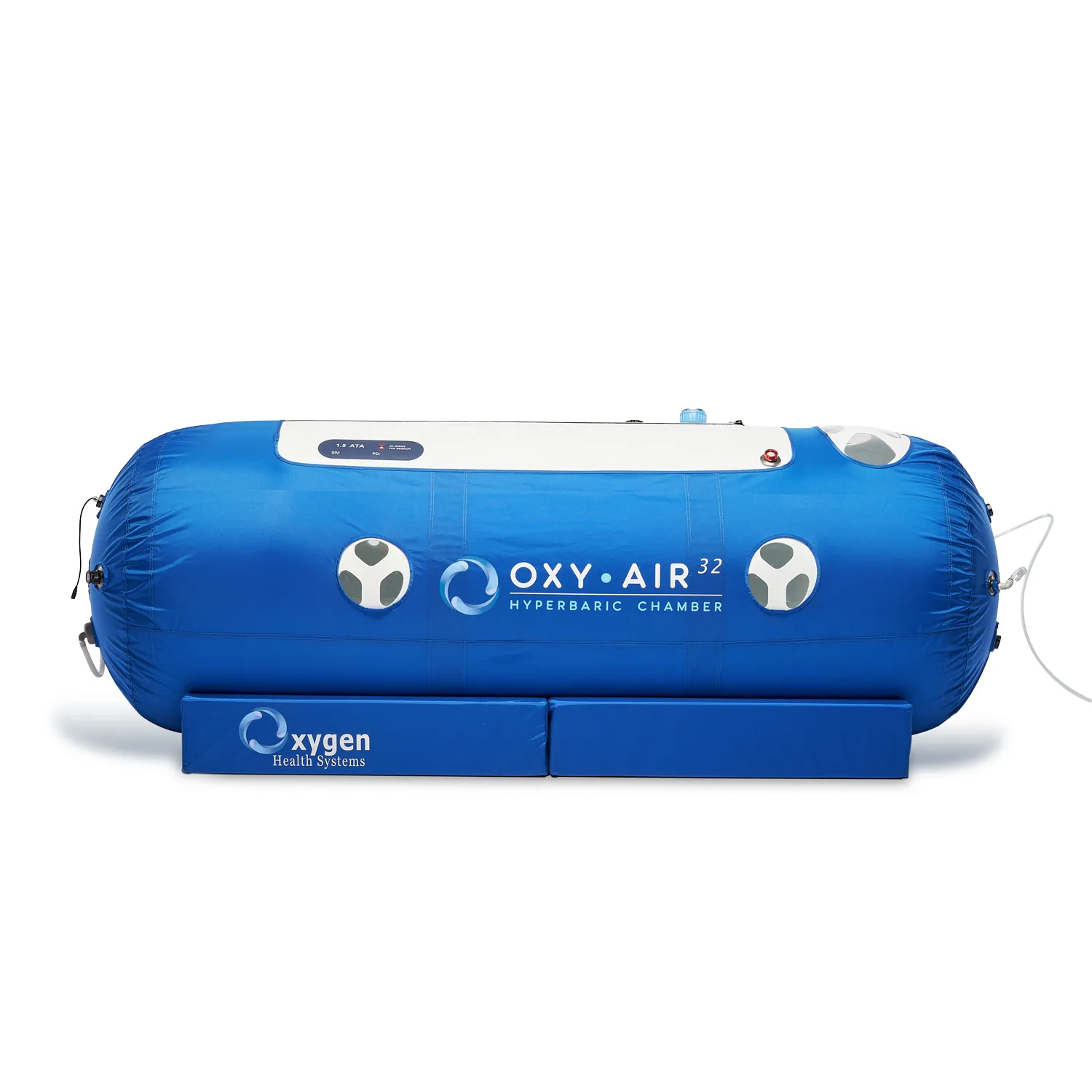
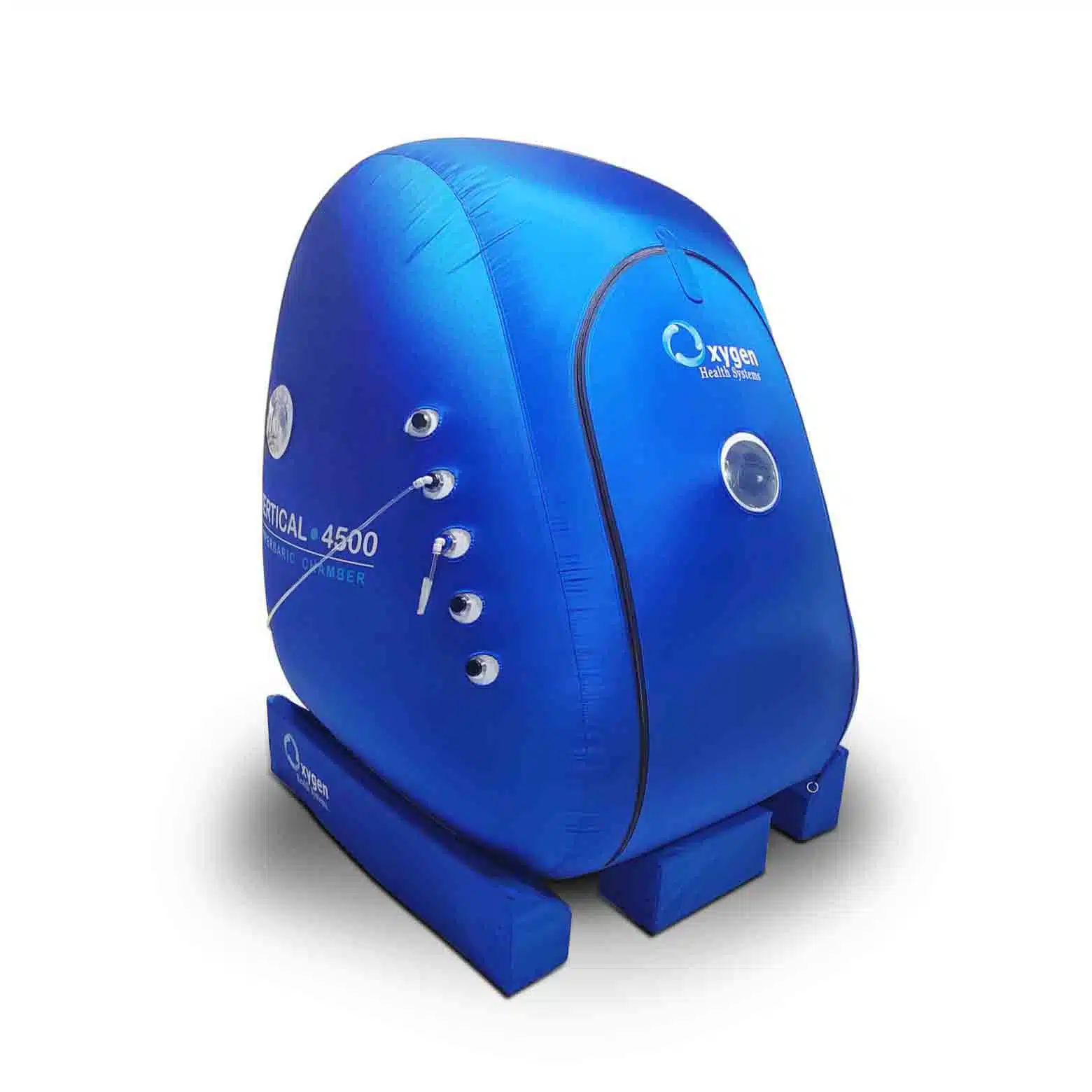
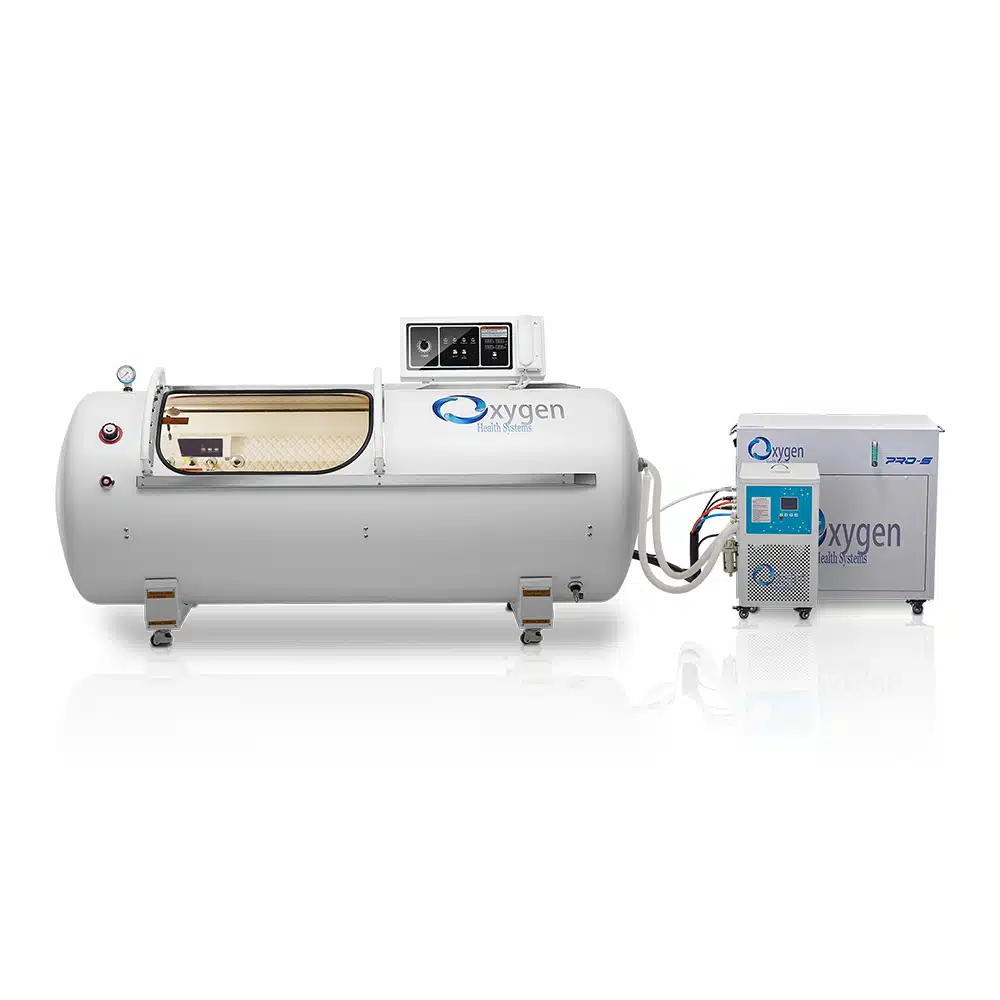
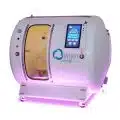
- Which room, and can the equipment get into it? Chambers in particular are large and heavy, so measure the delivery route, door widths, lift dimensions and floor loading before you commit. Room clearance, ventilation and electrical supply all need confirming as well.
- Who supervises sessions? Equipment-led services need a trained attendant, not a licensed injector. Many med spas use front-of-house or aesthetician staff with manufacturer training, which is what keeps the delivery cost low enough for the model to work.
- When do sessions run? Schedule them into your off-peak hours first. Biohacking clients are usually more flexible on timing than clients booking injectables, and filling daytime and midweek capacity is where most of the incremental margin comes from.
Room allocation deserves a decision rather than a default. Giving a bookable wellness service your least desirable room limits what you can charge for it, and clients notice the difference between a considered space and a converted storeroom. The presentation of the room does a meaningful share of the selling.
Pricing And Packaging
Price biohacking services as programmes with a defined number of sessions, a stated focus and a review at the end. Single sessions are for trial, and the course is where the revenue sits.
Memberships work for services clients use frequently, and they suit red light and sauna better than they suit longer sessions with limited daily capacity. For capacity-limited services, a course with an expiry date protects your scheduling.
Tracking Whether It’s Working
Set the measures before launch, because retrofitting them is difficult once the service is running.
Four figures cover most of what you need. Bookings per week by service tells you about demand. Repeat purchase rate, measured as the share of clients who buy a second course, tells you whether the experience and the pricing are right. Revenue per room hour tells you whether the service deserves the space it occupies. And the proportion of your aesthetic clients who have booked a wellness service tells you whether the two categories are genuinely connected on your menu or simply sitting next to each other.
Review them monthly for the first two quarters and then quarterly. Resist judging the service on its first eight weeks, since almost all of the early bookings will be existing clients trying it once and the repeat pattern won’t have emerged yet.
Staying On The Right Side Of Compliance
Two boundaries need to be clear from the start.
The first concerns scope. Biohacking services in a med spa are wellness services, and anything relating to a specific medical condition or to a client’s recovery from a procedure belongs with their treating practitioner. Keep the separation visible in your materials and your intake process.
The second concerns screening. Pressure, heat, cold and light exposure all require an intake covering relevant conditions and medications, and some clients should speak to their doctor before starting. Your equipment supplier should provide screening documentation as part of training, and your insurer will want to see the process you’re running.
At Oxygen Health Systems, you get commercial-grade equipment backed by ISO-certified manufacturing, free Zoom training for your team and support seven days a week from a US company with ten years in the industry. Compare footprints, pressures and capacities across the ASME code compliant chambers to find one that fits the room you have available.
Frequently Asked Questions
Which biohacking service should a med spa add first?
The one that matches what your clients already ask about. Where there’s no clear signal, equipment-led services that sell as courses tend to fit an aesthetics business better than one-off treatments.
Will biohacking services confuse my existing brand?
Not if they’re grouped by outcome alongside your existing menu and described in the same register. Problems arise when the new category is presented as a separate business with its own tone and its own branding.
Do these services need a licensed practitioner to deliver them?
Equipment-led services generally need a trained attendant with manufacturer training, though requirements vary by state and by service. Check your own regulations and confirm the position with your insurer before launch.
How do biohacking services affect client retention?
They give clients a reason to visit between aesthetic appointments, which increases visit frequency across the year. Courses and memberships strengthen that effect because they commit the client to a schedule.
What’s the realistic timeline for building demand?
Most med spas see uptake build over two to three quarters. Existing clients adopt first, and referrals from local practitioners tend to follow once the service has been running long enough to be talked about.
Sources
- American Med Spa Association, medical spa revenue and patient data: https://americanmedspa.org/news/5-things-you-didnt-know-about-medical-spas
- Cognitive enhancement of healthy older adults using hyperbaric oxygen: a randomized controlled trial, Aging (2020): https://www.ncbi.nlm.nih.gov/pmc/articles/PMC7377835/