
Life Style
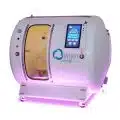
44D 2.0 ATA walk-in chamber for clinics

Oct
For a medical or clinical practice ready to make hyperbaric oxygen therapy a standing part of its treatment menu, the decision usually is not about chasing the biggest chamber on the market. It is about finding the right entry point: equipment that supports real patient volume, fits the space you actually have, and can be operated consistently by staff every day. The 44D 2.0 ATA Multiplace Walk-in Hard Shell Oxygen Chamber from Oxygen Health Systems (OHS) is built for exactly that situation.
At 44 inches in diameter, this hard-shell, walk-in chamber is designed to treat multiple users at once under a single, repeatable protocol. OHS positions it within its professional-grade hard chamber line, built for therapy centers, wellness facilities, and commercial multi-patient treatment settings, distinct from its soft chamber lineup. For a practice standardizing on 2.0 ATA multiplace treatment as a core clinical offering, rather than pursuing maximum occupancy or premium features, the 44D is worth a close look.
What the 44D actually is
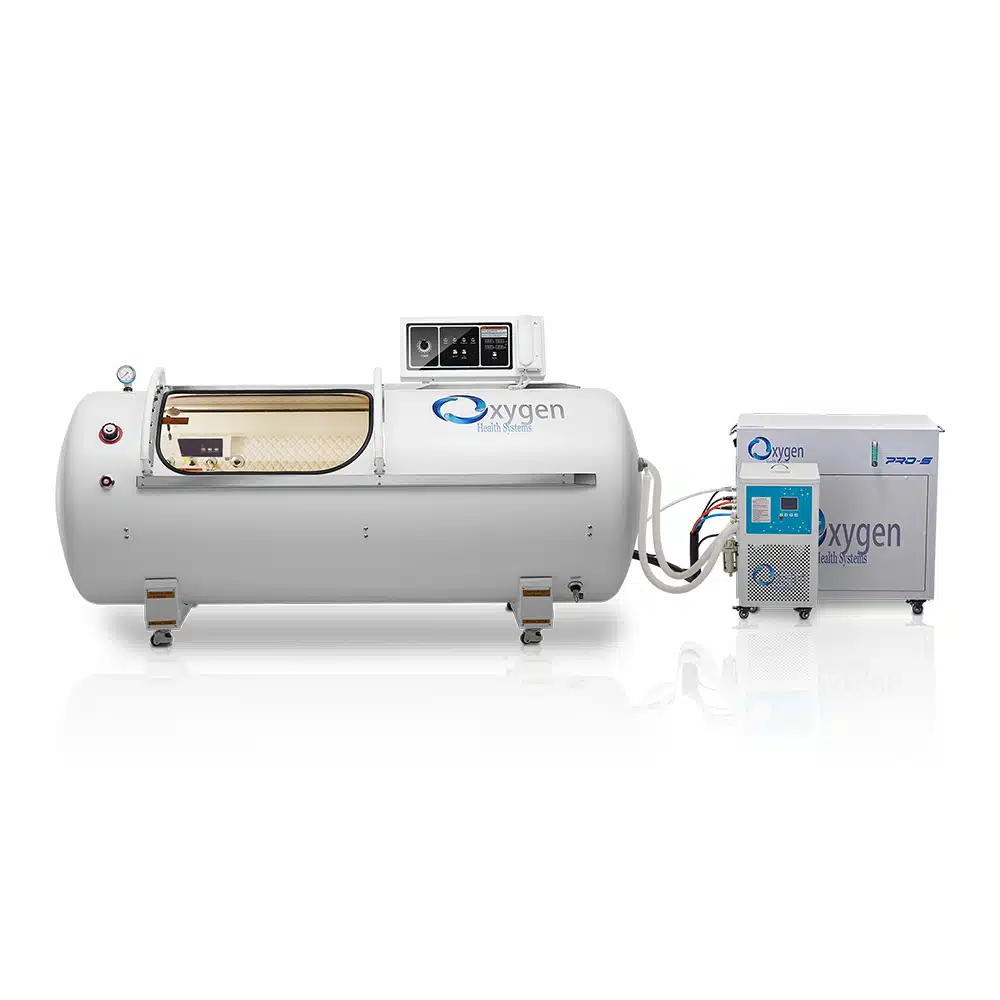
The 44D is a hard-shell chamber rated to 2.0 ATA, built with a walk-in design so patients can enter and exit on their feet rather than being loaded into a horizontal tube. OHS markets it as delivering “superior hyperbaric therapy for multiple users, featuring a spacious and safe design.” It is a multiplace configuration built to accommodate more than one person per session. OHS has not published an exact occupant count for this model in its available product material, so this article describes it as a multi-person walk-in chamber rather than assigning a specific capacity. Any clinic evaluating the 44D for a defined patient load should confirm exact occupancy and interior dimensions directly with OHS before finalizing space planning.
Walk-in accessibility matters operationally. A walk-in hard chamber reduces the physical handling burden on staff compared to loading and positioning patients in a lying-down chamber, and it is generally easier for patients with mobility, balance, or comfort concerns to enter and settle into a seated or standing position on their own.
Hard-shell construction is the baseline for this equipment class. Built in an ASME code-compliant facility, the 44D reflects the same manufacturing standards OHS applies across its hard chamber line: ISO 9001, ISO 13485, and ISO 14001 certification, a three-year warranty, and US-based technical support.
The case for standardizing at this level
Clinics considering their first multiplace hard chamber, or replacing a monoplace setup that cannot keep pace with demand, tend to weigh the same handful of questions. The 44D answers most of them well if the goal is a dependable, everyday 2.0 ATA offering rather than a flagship installation.
Pressure consistency simplifies protocol design. A single, well-understood pressure ceiling of 2.0 ATA means your clinical team can build one core protocol, train every technician on it, and run it the same way session after session. That consistency is often more valuable in daily operations than the flexibility of a chamber rated for higher pressures a practice may rarely use.
Multiplace design changes your throughput math. Treating more than one patient per session, rather than one patient per chamber cycle, is the single biggest lever a clinic has for improving hyperbaric appointment availability without adding square footage for a second chamber. Before committing, model expected sessions per day against your current throughput to see whether a multiplace unit actually closes the gap you are trying to solve.
A walk-in hard chamber is a different footprint commitment than a soft chamber. This unit needs a dedicated, properly ventilated space with clearance for entry, exit, and staff access on all working sides, plus room for support equipment. Measure your actual treatment room, not just the chamber’s stated diameter, and confirm clearances with OHS before committing floor space.
What to evaluate before adding 2.0 ATA multiplace capability
Adding a hard chamber at this class is a bigger operational decision than adding a soft chamber, and it deserves a structured evaluation rather than a gut call.
Space and infrastructure. Confirm floor space, floor loading, electrical service, and ventilation requirements with OHS before finalizing room selection. A multiplace hard chamber has different infrastructure needs than a monoplace or soft chamber, and retrofitting a room after installation is far more disruptive than planning for it up front.
Staffing and training. Someone on your team needs to be trained as a dedicated chamber operator, comfortable with pressurization and depressurization procedures, patient monitoring, and emergency protocols. Multiplace operation means managing more than one patient’s experience at once, so staffing coverage should account for that.
Safety protocols. Fire safety, oxygen handling, patient screening (including contraindications), and emergency depressurization procedures all need to be documented and drilled, not just referenced in a manual. This is standard practice for any hyperbaric program, and it applies fully to a walk-in multiplace hard chamber.
Patient throughput expectations. Be realistic about how many sessions per day the chamber can support once you factor in pressurization and depressurization time, cleaning between sessions, and staff availability. A multiplace design increases capacity per session, but it does not eliminate the fixed time costs of running a session safely.
Clinical purpose and oversight. Hard chambers at 2.0 ATA can be used both for FDA-approved indications under physician supervision and for general wellness applications, depending on how your practice is structured and licensed. Clarify which category your program falls into, and make sure protocols, staffing, and physician oversight match that classification before treating patients.
Where the 44D fits in the OHS lineup
The 44D is positioned as a practical, space-efficient entry point into multiplace hard-chamber treatment, not the top of the range. Practices that outgrow its capacity can step up to the OxyVista 64D, a larger 64-inch diameter chamber built for higher-volume clinics. Practices that need OHS’s top-tier certified option can look to the Concourse 9000, the company’s PVHO-1/ASME U-Stamp certified flagship multiplace chamber. Neither is necessary for a practice simply looking to standardize on dependable, everyday 2.0 ATA multiplace treatment, which is the specific need the 44D is built to serve.
Common questions
How many patients can the 44D treat at once? OHS has not published an exact occupant count for this model. It is designed as a multi-person walk-in chamber, and practices should confirm exact capacity directly with OHS during planning.
Is the 44D FDA-cleared for medical treatment? Hard chambers rated to 2.0 ATA, including the 44D, can be used for FDA-approved indications under physician supervision as well as for general wellness applications, depending on how a facility is structured and licensed. Confirm your intended use case with your medical director before installation.
How is the 44D different from OHS’s soft chamber lineup? It is a hard-shell, walk-in, multiplace chamber built in an ASME code-compliant facility for clinical and commercial multi-patient use, positioned separately from OHS’s soft chamber products.
What should we check before adding this to our facility? Space and infrastructure, staffing and training for chamber operation, documented safety and emergency protocols, and realistic patient throughput expectations, all confirmed directly with OHS during planning.
The bottom line
The 44D 2.0 ATA Walk-in Multiplace Chamber is built for clinics that want hyperbaric oxygen therapy to be a standardized, repeatable part of their care model, not a specialty service reserved for a handful of patients. Its walk-in design, hard-shell construction, and 2.0 ATA rating give a practice a consistent protocol to build around, while its footprint keeps it realistic for clinics that do not need the largest multiplace chamber on the market. Getting the details right on space, staffing, and safety protocol before installation is what turns this equipment into a dependable clinical offering.
Oxygen Health Systems has designed hyperbaric equipment from its Woodridge, Illinois facility since 2014, serving clinical, wellness, and home markets with ISO-certified, US-built chambers.
Explore the full Oxygen Health Systems chamber lineup
Schedule a free consultation with an Oxygen Health Systems specialist
Oxygen Health Systems | Woodridge, Illinois | Ships from the US | ISO 9001, ISO 13485, ISO 14001 Certified | ASME Code Compliant | Three-Year Manufacturer’s Warranty