
Home Hyperbaric Chamber
Best home hyperbaric chambers for longevity in 2026

Nov
If you have spent any time researching home hyperbaric oxygen chambers, you have probably run into the term “2.0 ATA” over and over. It shows up in product specs, biohacking forums, and recovery-focused content as a kind of benchmark. But what does it actually mean, and why does it matter when you are comparing home chamber options? This is a short, practical explainer, not a full buying guide. Here is what 2.0 ATA means, why it keeps coming up, and what it actually changes about the home hyperbaric experience.
What ATA means
ATA stands for atmospheres absolute, a unit used to describe pressure. One ATA equals normal sea-level atmospheric pressure, the pressure your body experiences every day just standing outside. In a hyperbaric chamber, increasing the ATA means increasing the ambient air pressure around your body while you breathe oxygen, which is the mechanism behind hyperbaric oxygen therapy (HBOT): higher pressure allows more oxygen to dissolve into blood plasma than is possible at normal atmospheric conditions.
So when a chamber is described as “1.3 ATA” or “2.0 ATA,” that number is simply telling you the maximum pressure the chamber is designed to reach, expressed relative to the normal pressure you already live in.
Why 2.0 ATA specifically comes up so often
It sits within the range used for FDA-approved medical HBOT. The FDA-approved indications for hyperbaric oxygen therapy, such as decompression sickness, carbon monoxide poisoning, and certain non-healing wounds, are treated in clinical settings under physician supervision, often at pressures that include or exceed 2.0 ATA. That clinical association is a large part of why the number carries weight in conversation: it is a recognizable threshold from the medical literature, not a marketing invention.
It is also a common point of interest in the wellness and biohacking community. People interested in recovery, biohacking recovery routines, and longevity optimization often reference 2.0 ATA as a meaningful pressure level to reach at home, distinct from the lower pressures typical of consumer soft chambers. It is important to be precise here: interest in higher-pressure home use for general wellness is a genuine and active conversation in that community, but it is a separate category from the FDA-approved medical indications, and it has not been established as a proven anti-aging or longevity intervention. Treat 2.0 ATA as a specification worth understanding, not a guaranteed outcome.
Why soft chambers cannot reach it
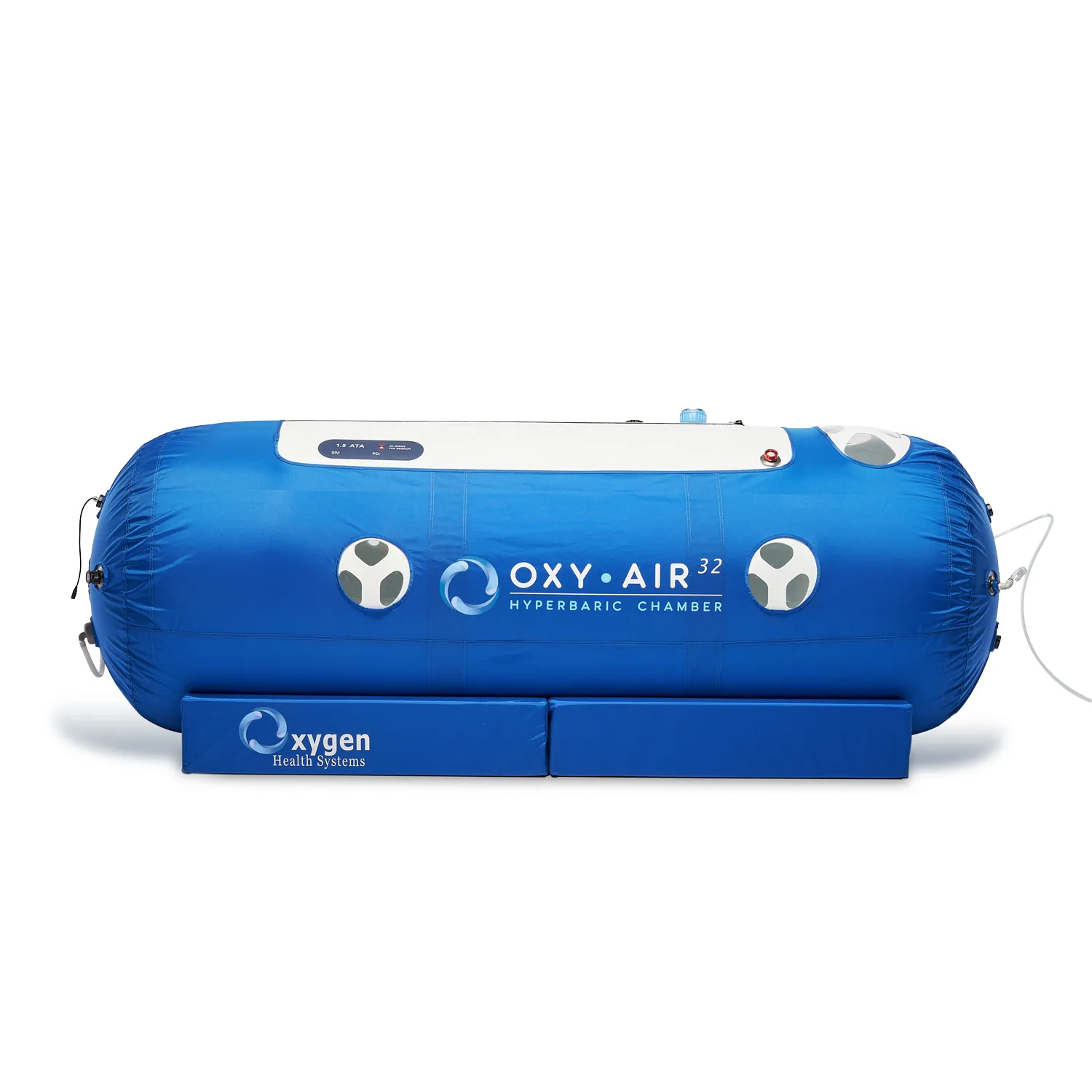
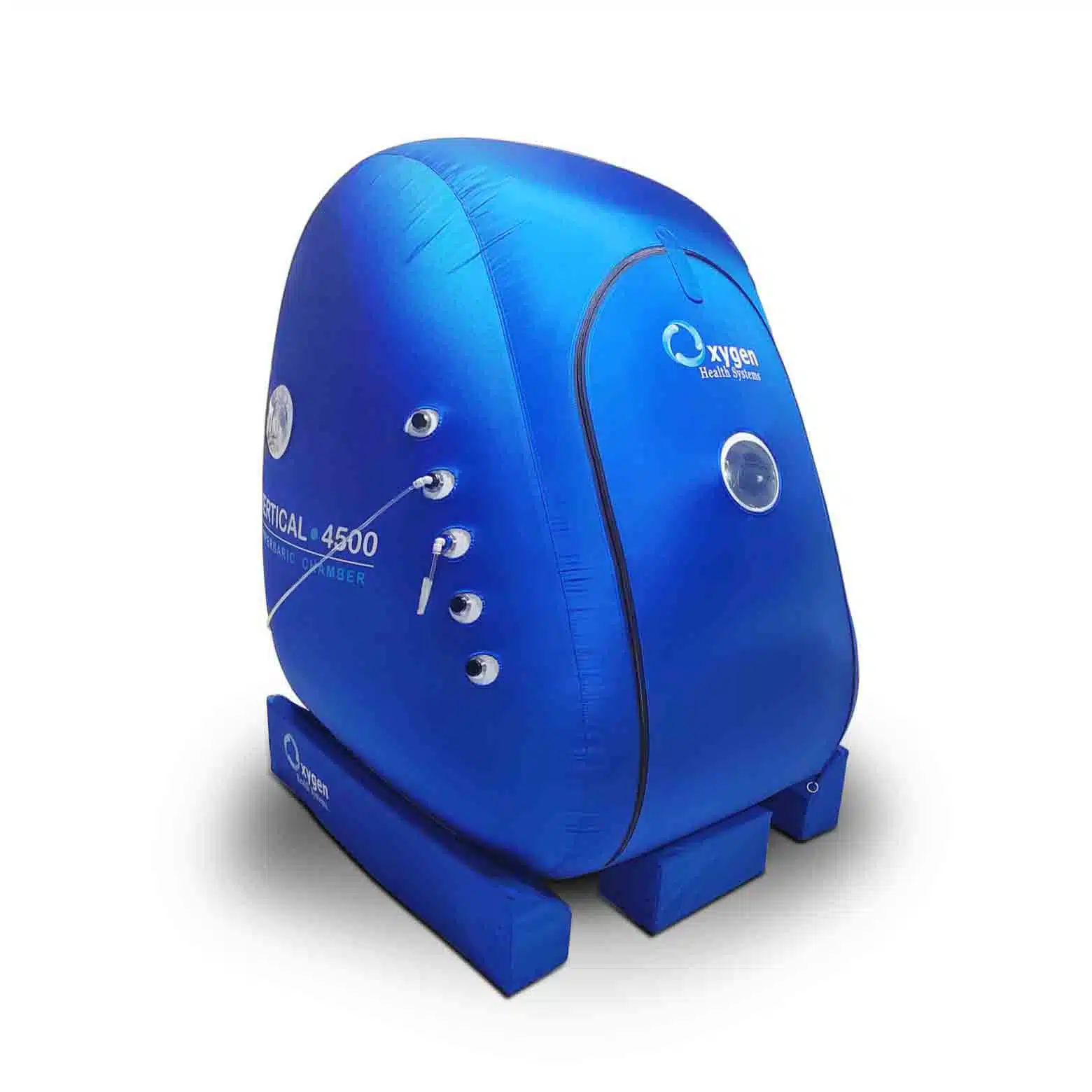
This is where the physics of the equipment matters more than marketing language. Soft, fabric-based chambers are structurally limited to lower pressures, typically up to around 1.3 ATA, because flexible materials are not built to safely contain higher pressure over repeated use. A soft chamber relies on fabric and seams rather than a rigid shell, and pushing that construction toward 2.0 ATA would compromise both safety and durability.
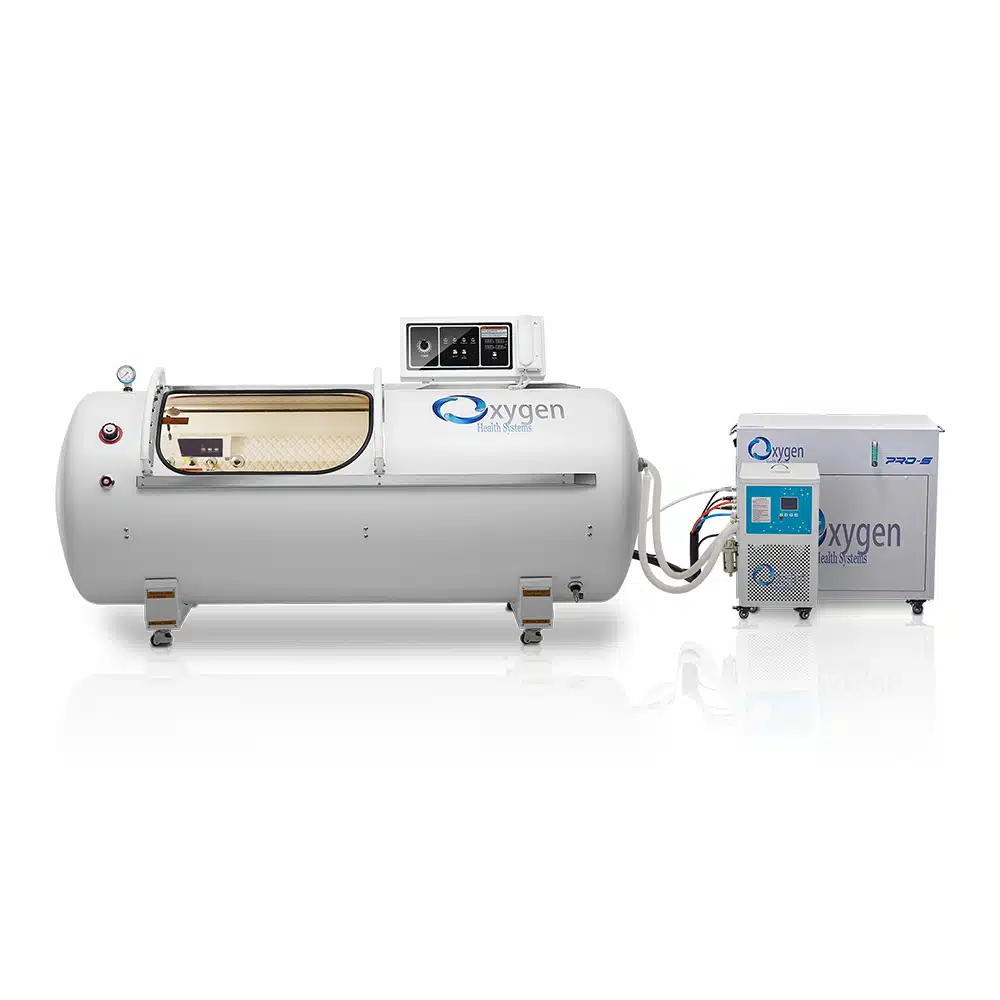
Reaching and maintaining 2.0 ATA requires rigid, hard-shell construction engineered and certified for that pressure range. This is a fundamental design difference, not just a setting you can dial up on any chamber. It is the reason “soft versus hard chamber” and “1.3 ATA versus 2.0 ATA” tend to be the same conversation from two different angles.
What changes when a home chamber can reach 2.0 ATA
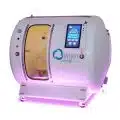
Pressure range becomes a real variable instead of a fixed number. A hard chamber built for 2.0 ATA, such as Oxygen Health Systems’ 57″ Vital Sphere 360, typically offers single-touch selection across multiple pressure levels, in this case 1.3, 1.6, 1.8, and 2.0 ATA. That means a session can be set lower for routine use and adjusted upward within the chamber’s certified range, rather than being locked to one pressure ceiling the way soft chambers are.
The equipment itself is a different category of product. A 2.0 ATA-capable chamber like the Vital Sphere 360 is built for both clinical programs and premium home installations, using rigid construction manufactured in an ASME code-compliant facility. That is a meaningfully different engineering standard than a fabric enclosure, and it is why hard chambers are positioned as long-term investments for home recovery rooms rather than simple consumer accessories.
It does not change the need for medical guidance. Choosing a chamber capable of higher pressure does not, by itself, make higher pressure appropriate for everyone. Anyone with underlying health conditions, or anyone considering home use at higher pressures, should consult a physician before starting. This applies regardless of which specific chamber is under consideration.
Common questions
Is a higher ATA rating always better? Not automatically. The right pressure depends on the individual, their goals, and physician input where relevant. A higher ATA ceiling simply means more flexibility and a different equipment category, not a guarantee of better results.
Can a soft chamber be upgraded to reach 2.0 ATA later? No. The pressure ceiling is a function of the chamber’s construction. Reaching 2.0 ATA requires a rigid hard-shell chamber built and certified for that range from the start, not an adjustment to an existing soft chamber.
Does 2.0 ATA mean a chamber is used for medical treatment? Not necessarily. 2.0 ATA is referenced in FDA-approved clinical HBOT, but hard chambers capable of that pressure, like the Vital Sphere 360, are also used in home wellness settings. The pressure number describes chamber capability, not the setting or purpose of every session.
The bottom line
2.0 ATA is a pressure threshold worth understanding because it marks the line between what fabric-based soft chambers can do and what rigid hard chambers are engineered for. It is a widely referenced figure in hyperbaric oxygen therapy because it falls within the range used for FDA-approved medical indications, and it has also become a point of interest in recovery and longevity-focused wellness circles, though that interest should be understood as exploratory rather than clinically proven for anti-aging purposes. If you are comparing home chamber options and pressure flexibility matters to you, that is the practical difference a 2.0 ATA-capable hard chamber offers over a soft chamber, and it is worth discussing with a physician if you have any underlying health conditions.
Oxygen Health Systems has designed hyperbaric chambers since 2014 from its Woodridge, Illinois facility, building hard chambers to ISO and ASME standards with US-based support behind every unit.
Explore the full Oxygen Health Systems chamber lineup
Schedule a free consultation with an Oxygen Health Systems specialist
Oxygen Health Systems | Woodridge, Illinois | Ships from the US | ISO 9001, ISO 13485, ISO 14001 Certified | ASME Code Compliant | Three-Year Manufacturer’s Warranty