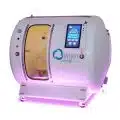

Hyperbaric Oxygen Therapy
Adding HBOT To A Corporate Wellness Program: Everything You Need to Know

Nov
Companies add hyperbaric oxygen therapy to their wellness programs in two main ways: by installing a chamber on site as part of an employee wellness or recovery space, or by partnering with a local hyperbaric provider that offers discounted sessions to staff. Both approaches give employees access to a premium wellness benefit, help the company stand out in recruitment and signal a serious commitment to employee wellbeing.
For HR leaders, facilities managers and wellness providers pitching to employers, the decisions that matter are which model fits the company, how to keep participation voluntary and private, what the program costs and how to run it safely. This guide works through each.
Why Employers Are Interested
Corporate wellness has moved well beyond gym discounts. Employers competing for skilled staff now offer recovery rooms, meditation spaces, on site fitness and access to services that employees would otherwise pay for privately. Hyperbaric sessions fit that trend. They’re associated with elite sport and high performance, they’re easy to explain, and they appeal to employees who already invest in their health.
Hyperbaric access also suits particular workforces especially well. Companies with physically demanding roles, frequent travelers, shift workers or high pressure environments often find a recovery focused benefit lands better than another app subscription.
Two Program Models
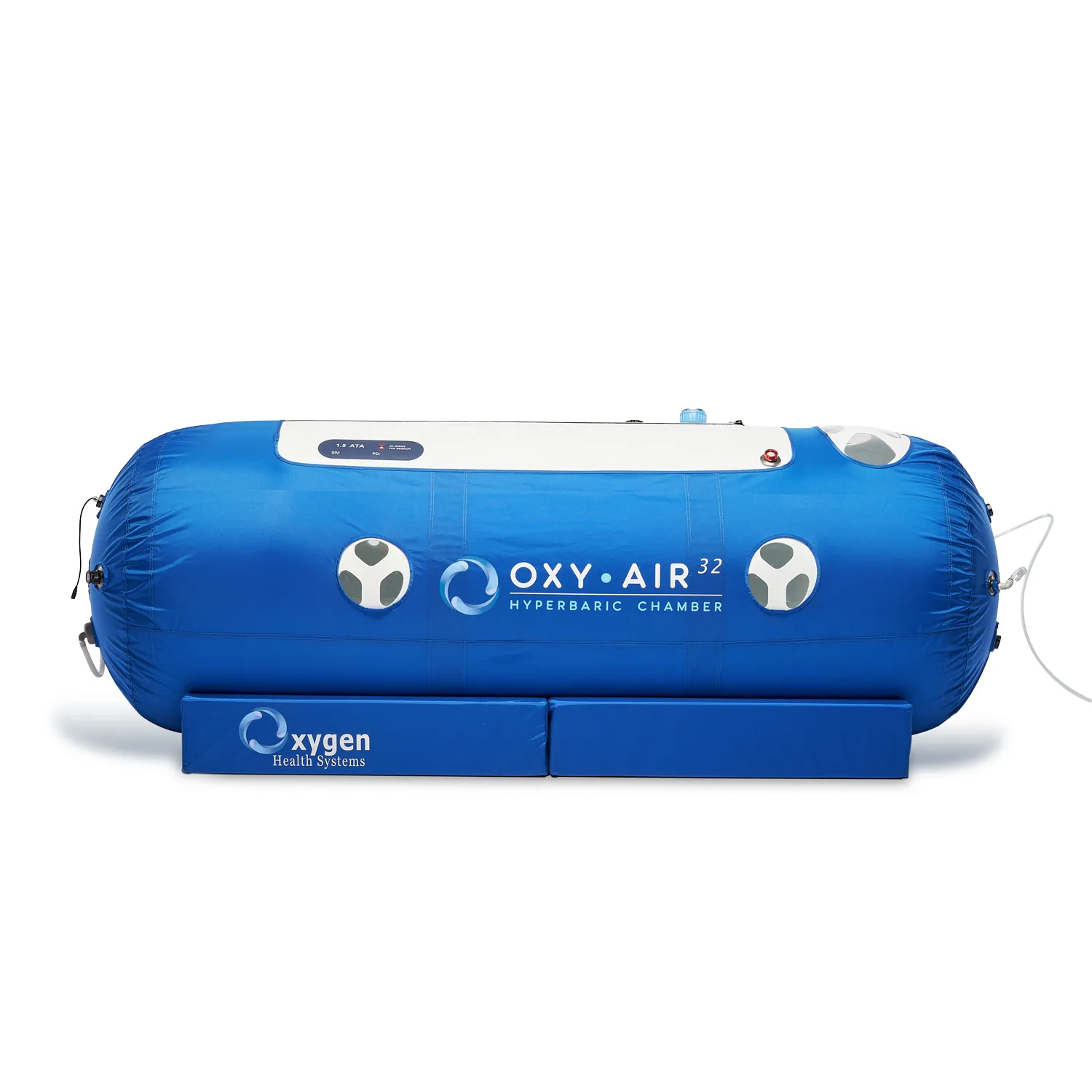
On site chamber. The company buys or leases a chamber and installs it in a dedicated wellness room. Employees book sessions during breaks or before and after work. This model offers the most convenience and the strongest visible statement of commitment, and it works best for larger campuses, headquarters with existing wellness facilities or companies with on site health staff.
Provider partnership. The company negotiates discounted or subsidized sessions with a local hyperbaric center. Employees book directly with the provider, which handles screening, consent, supervision and records. This model avoids equipment, staffing and facility responsibilities for the employer and suits smaller companies or those spread across several locations.
Some companies start with a partnership to measure interest, then move to an on site chamber once participation justifies it.
Keeping Participation Voluntary And Private
Two principles should guide any workplace hyperbaric program.
First, participation must be voluntary. Employees should never feel that using the chamber is expected, tied to performance reviews or linked to incentives that pressure them into it. Make the benefit available and let employees decide.
Second, health information must stay private. Hyperbaric screening involves questions about medical history, medications and conditions that employees shouldn’t have to share with their employer. The cleanest approach is for screening, consent and session records to be handled entirely by a qualified provider or on site health professional, with the employer receiving only anonymized usage figures. Employment and privacy laws vary by state, so have your employment counsel review the program design before launch.
Running An On Site Chamber Safely
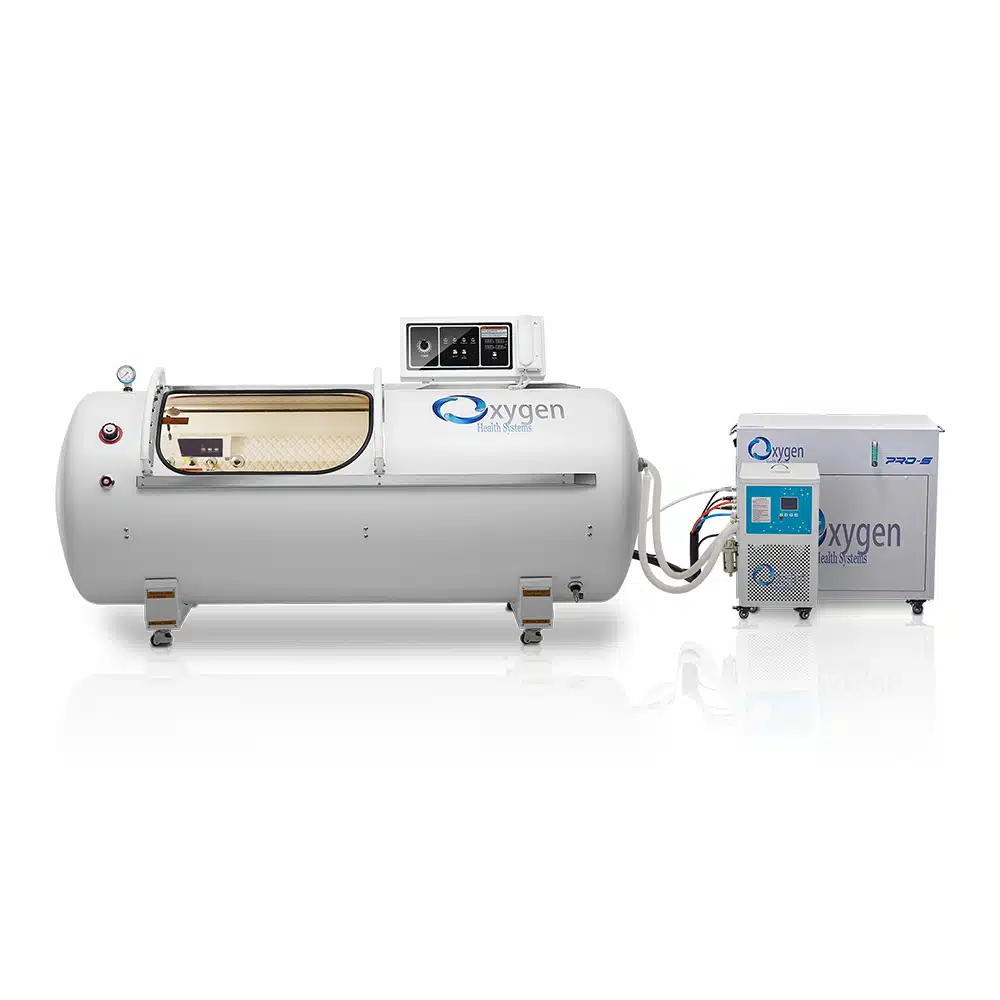
An on site chamber brings the same responsibilities as a chamber in any commercial setting. You’ll need fire authority approval for the installation, trained operators to run every session, a written screening and consent process, emergency procedures and a maintenance schedule. Many companies contract a wellness provider or a nurse to manage the program so internal staff don’t take on clinical responsibilities.
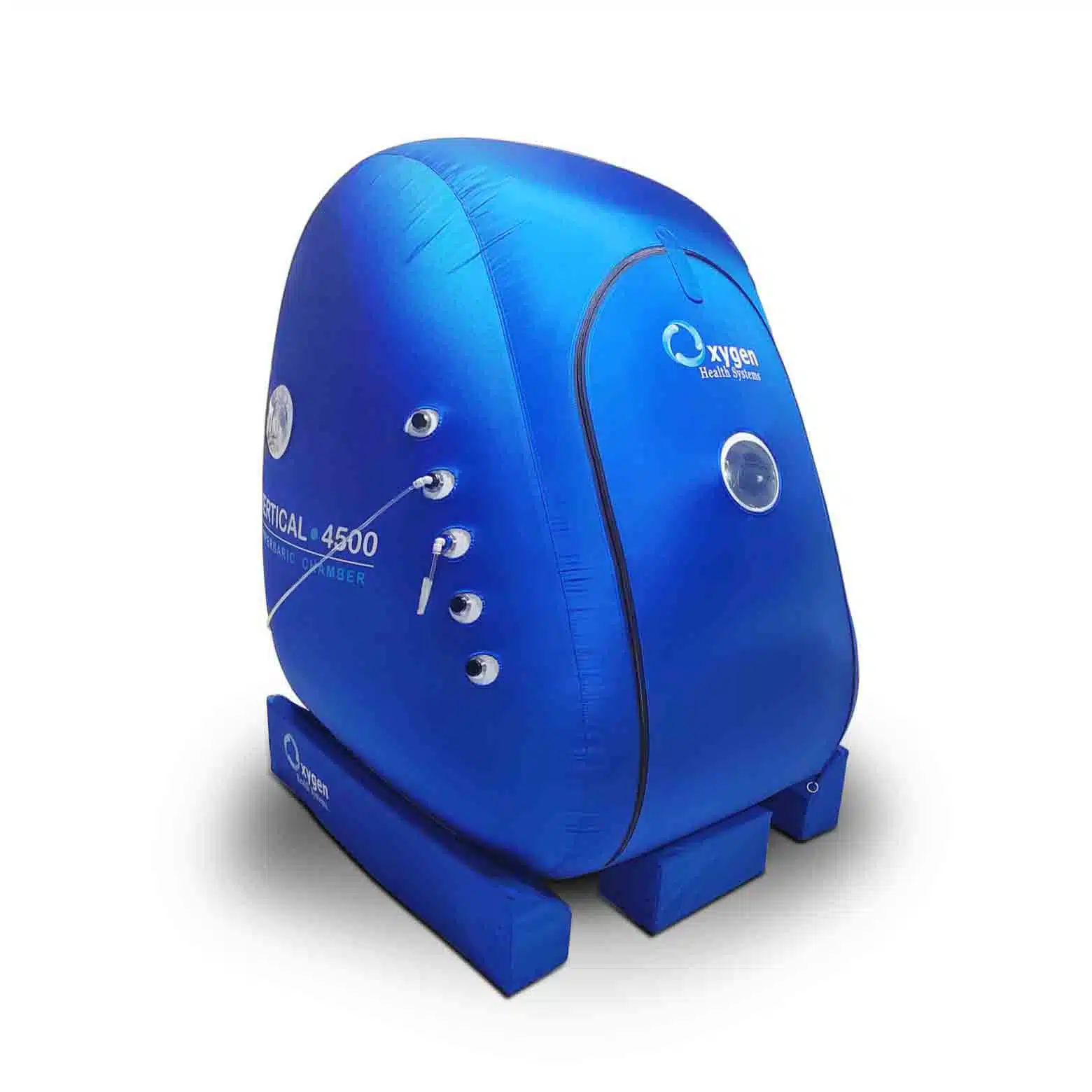
Space is often the deciding factor in corporate settings. Wellness rooms in office buildings tend to be compact, and the considerations involved in choosing a vertical hyperbaric chamber for a space limited practice apply equally to a corporate wellness room. Vertical and seated chambers take up less floor area than lying models, are easy for employees to enter in work clothes and keep sessions comfortable.
Confirm building management approval early, too. Office leases often restrict pressurized equipment, and your landlord will want to see documentation before installation.
What A Program Costs
Costs depend heavily on the model you choose. A provider partnership usually involves a negotiated per session rate, with the company paying all or part of each session, and costs scale directly with use. An on site program involves the chamber itself, room preparation, installation, staffing or a management contract, insurance and ongoing maintenance.
Set a clear budget and decide how sessions will be allocated. Many companies offer each employee a set number of subsidized sessions per month or quarter, with the option to book more at their own cost. Track participation monthly, and survey employees periodically to understand how they value the benefit.
Rolling Out The Benefit
A successful launch explains the benefit clearly, without overpromising. Tell employees what a session involves, how to book, how screening works and how their privacy is protected. Hosting an introductory session or an open day helps employees who are curious but unsure.
Keep the messaging focused on relaxation, recovery and wellbeing, and avoid health claims. Wellness providers designing workplace offerings will find more on how chambers fit broader wellness settings on our page for hyperbaric chambers in wellness centers and spas.
A Chamber Partner For Workplace Wellness
Whether you’re an employer building a wellness room or a provider designing a corporate offer, the equipment needs to be reliable, well documented and easy for staff to operate. Our chambers are built to recognized standards, every purchase includes free Zoom training, and our team supports you seven days a week. Financing and business equipment options can help companies plan the investment, and our engineers can advise on chamber options for compact office spaces.
Frequently Asked Questions
Can Employers Require Staff To Share Screening Results?
They shouldn’t. Screening results are personal health information and should stay with the provider or health professional running the program. Employers should receive only general usage data.
Is HBOT A Taxable Benefit For Employees?
The tax treatment of wellness benefits depends on how the program is structured and where you operate. Ask your accountant or benefits advisor before launch so employees aren’t surprised by tax implications.
What If Employees Feel Uncomfortable In An Enclosed Space?
Offer an introductory session with the chamber open so they can see how it works, and make it clear that participation is entirely optional. Vertical chambers with large windows often feel less confined.
How Do Companies Measure Whether The Program Is Working?
Most track participation rates, repeat usage and employee feedback through surveys. These measures show whether employees value the benefit without collecting individual health information.