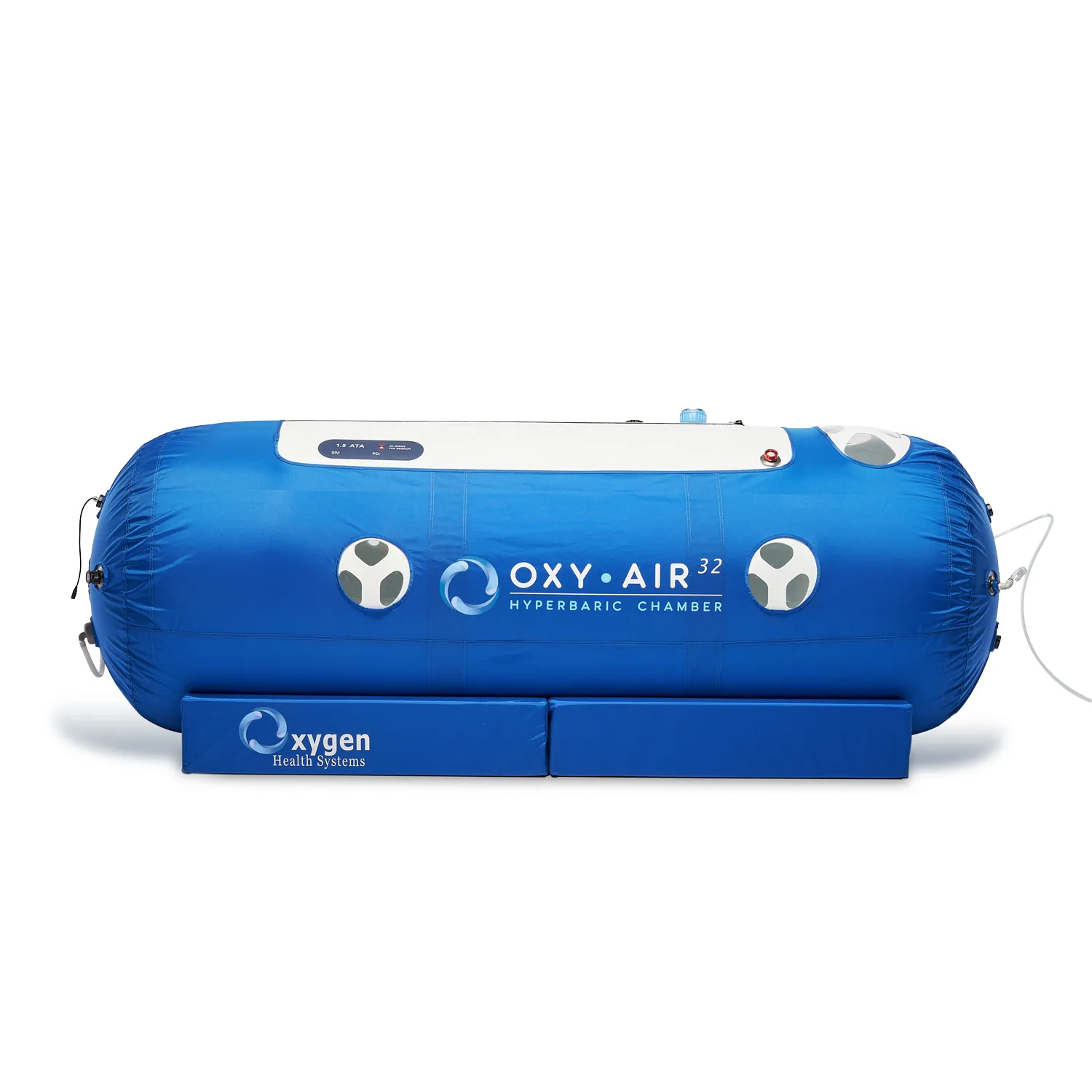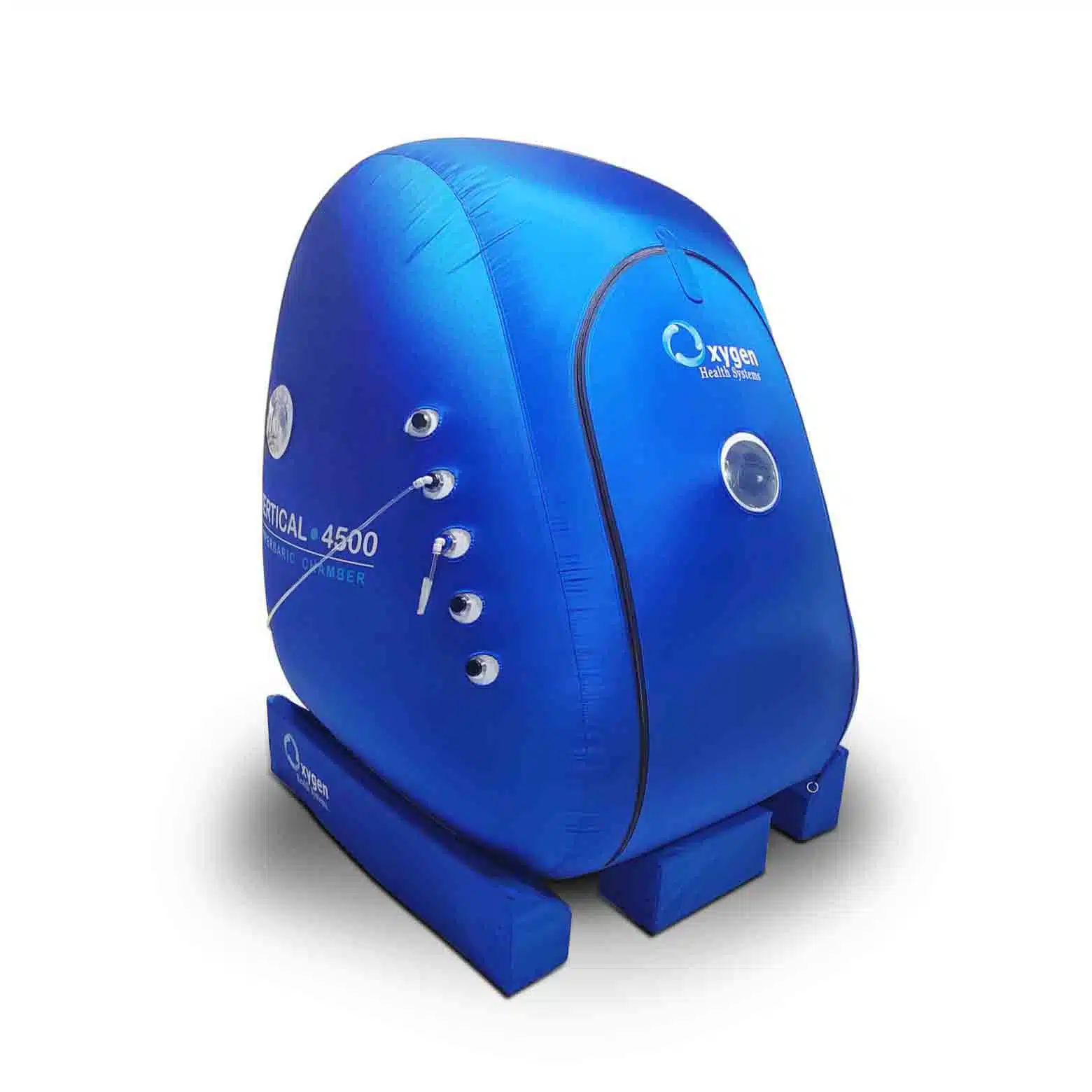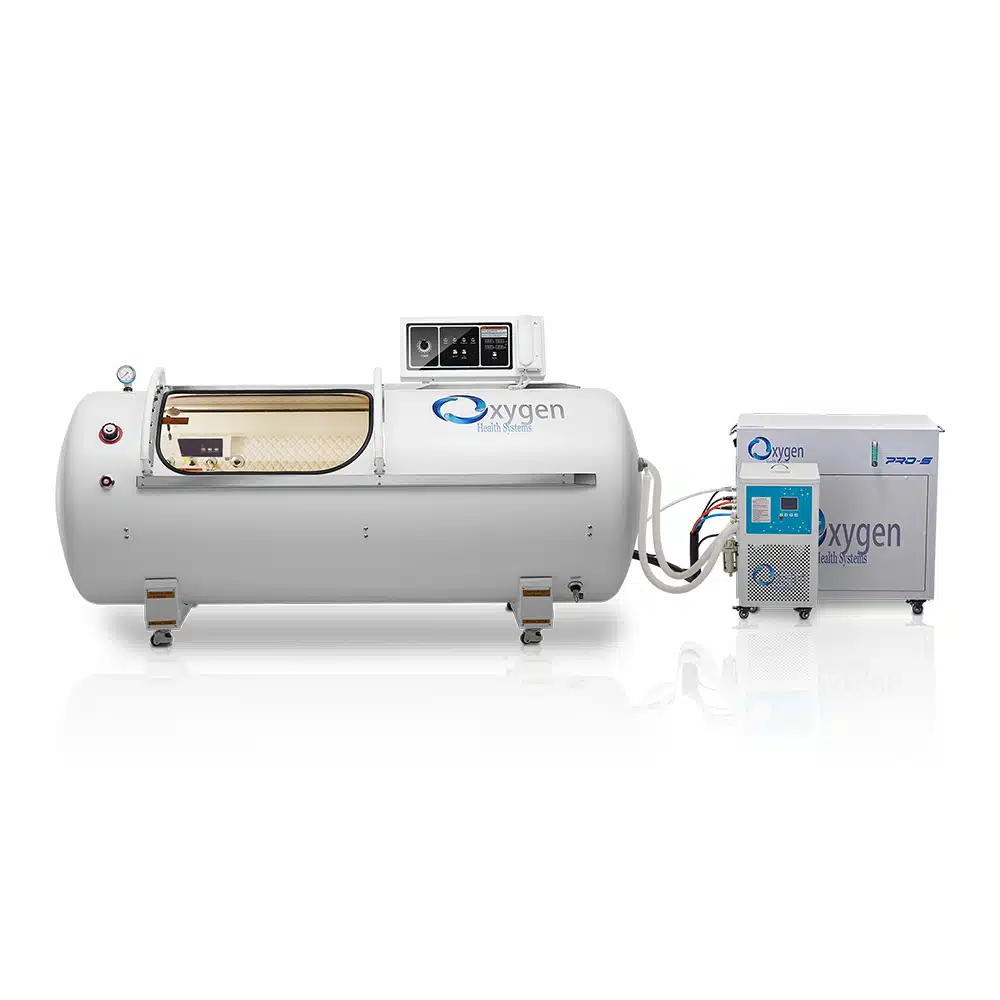
Hyperbaric Oxygen Chambers
What Insurance Does Your Business Need To Offer HBOT?
Nov
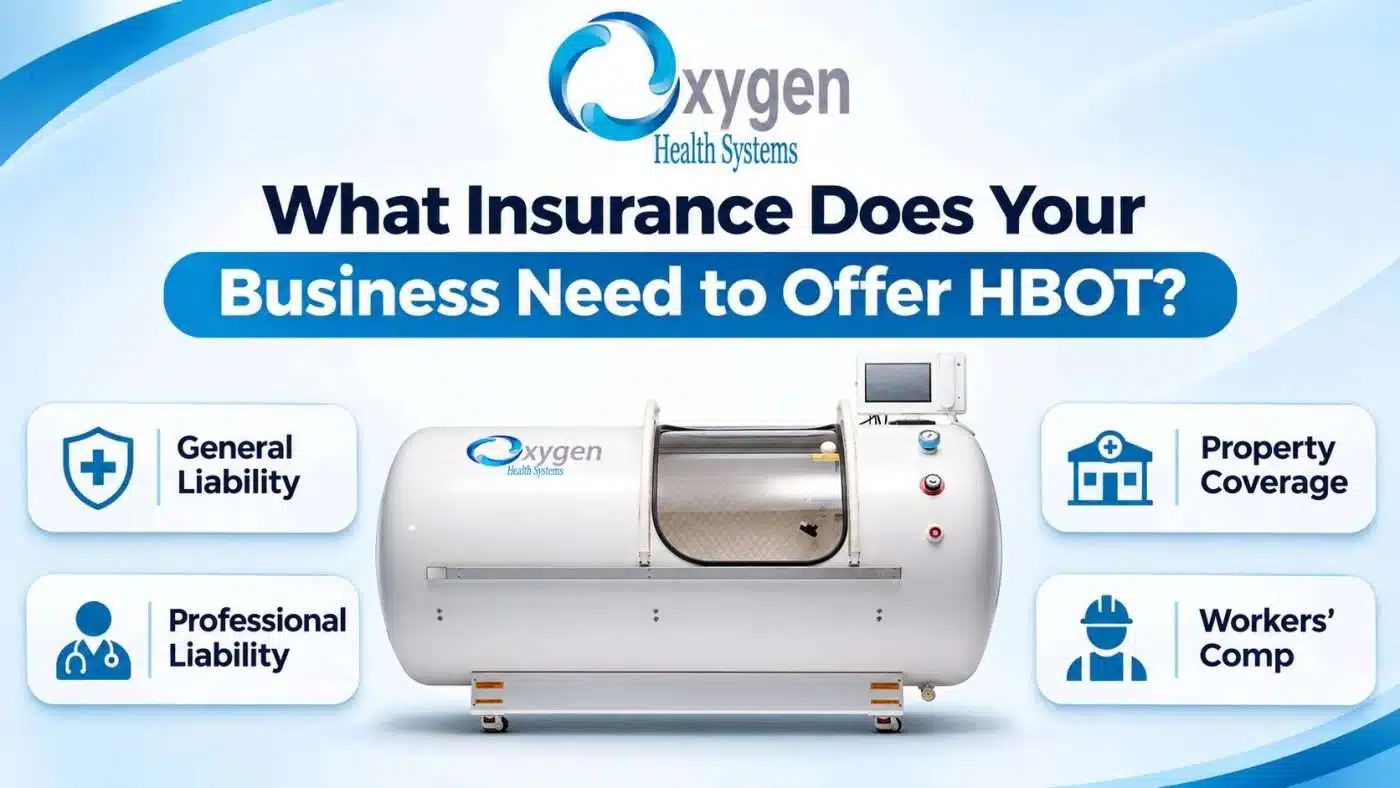
A business offering hyperbaric oxygen therapy typically needs five types of insurance: general liability, professional liability, commercial property coverage for the chamber, workers’ compensation and, in many cases, an umbrella policy on top. Your existing policies almost certainly won’t cover hyperbaric sessions automatically, so the most important step is telling your insurer exactly what you’re adding before your first client steps into the chamber.
This guide explains what each policy covers, what underwriters ask about hyperbaric services and how to put yourself in the strongest position for a fair premium.
The Five Core Policies At A Glance
| Policy | What It Protects Against | Why It Matters For HBOT |
| General liability | Injuries and property damage on your premises that aren’t caused by professional services | Covers incidents like a client slipping in your waiting area |
| Professional liability | Claims that your services caused harm or were performed negligently | The policy most directly tied to what happens inside the chamber |
| Commercial property | Damage to or loss of your equipment and premises | Hyperbaric chambers are high value assets that need specific coverage limits |
| Workers’ compensation | Injuries to your employees at work | Required in nearly every state once you have employees |
| Umbrella | Claims that exceed the limits of your other policies | Adds a layer of protection above your primary limits |
Professional Liability Deserves The Most Attention
Professional liability, sometimes called malpractice or errors and omissions coverage, is where most hyperbaric claims would land. If a client says a session caused an ear injury, or argues they should have been screened out, the claim falls under this policy.
Many professional liability policies written for chiropractors, physical therapists, med spas or gyms exclude hyperbaric oxygen therapy unless it’s specifically added. Read your policy’s exclusions and services list line by line. If hyperbaric sessions aren’t named, assume they aren’t covered and ask your broker for written confirmation either way.
Physician led clinics should also confirm how the medical director’s own malpractice coverage interacts with the business’s policy. Gaps between the two are common and easy to fix before a claim, and very hard to fix after one.
What Underwriters Ask About Hyperbaric Services
Insurers price risk on detail. When you apply to add hyperbaric services, expect questions on:
- Chamber type, whether soft or hard, and maximum operating pressure
- Manufacturer, model and the standards the chamber is built to
- Who operates the chamber and what training they’ve completed
- Whether a medical director oversees the program
- Your client screening and consent process
- Your emergency procedures and how often you drill them
- Your fire authority approval and any inspection reports
- Expected session volume per week
Answer fully and keep copies of everything you send. An application that understates your service can give the insurer grounds to deny a claim later.
How Equipment Quality Affects Your Premium
Underwriters look closely at the equipment itself. Chambers built to recognized standards, with documented quality management and safety features, present a lower risk than chambers with unclear origins and no verifiable certifications. Imported chambers bought through resellers sometimes arrive without the documentation insurers request, which can stall an application entirely.
When you apply, include the manufacturer’s certification documents. Our certifications page lists the quality, environmental and safety standards our chambers and manufacturing meet, including ISO 13485 for medical device quality management and our BBB A+ rating, and our team can supply copies for your broker.
Protecting The Chamber Itself
A hyperbaric chamber is one of the most valuable assets in your facility, so make sure your commercial property policy lists it at full replacement value. Ask your broker whether the policy covers equipment breakdown, which protects against mechanical or electrical failure, because standard property policies often exclude it.
Your insurer will also ask what happens if the chamber needs repair. Business interruption coverage can replace lost income while a chamber is out of service. The length of that interruption depends heavily on your manufacturer. Owners of chambers bought from overseas sellers can wait weeks for parts and face significant shipping costs, while our US showroom handles repairs domestically. Check the warranty information for your chamber alongside your policy so you know which costs fall to the manufacturer and which fall to your insurer.
Practical Steps To Get Covered
- Call your current broker before you buy a chamber, so coverage questions don’t delay your launch.
- Ask for quotes from at least one broker who specializes in healthcare or wellness businesses.
- Gather your chamber documentation, staff training records, screening forms and fire authority approval in one folder.
- Request written confirmation that hyperbaric services are covered under each relevant policy.
- Review coverage every year, and every time you add a chamber, change pressure levels or expand your services.
Equipment And Support That Insurers Recognize
Your insurer will feel more comfortable with your program when your equipment carries recognized certifications and your manufacturer supports your team properly. We’re a US based company with ten years in the hyperbaric industry, every purchase includes free Zoom training for your staff, and our support team is available seven days a week. If your broker needs technical documentation, we’ll provide it directly.
Frequently Asked Questions
Does My Gym Or Spa Policy Cover A Hyperbaric Chamber?
Rarely by default. Most fitness and spa policies list the services they cover, and hyperbaric oxygen therapy usually needs to be added by endorsement or covered under a separate professional liability policy.
Do Clients Need To Sign A Waiver If I Have Insurance?
Yes. Insurance and client paperwork serve different purposes. Your consent form documents that the client understood the risks, and your insurer will usually expect you to use one. Have your attorney draft it, because waiver enforceability varies by state.
Will Running Higher Pressure Chambers Raise My Premium?
It can. Insurers generally treat higher pressure clinical programs differently from mild wellness sessions, and they’ll want to see stronger oversight and training to match. Ask your broker to quote both scenarios if you’re deciding between chamber types.
What Should I Do If A Client Reports An Injury?
Make sure the client receives appropriate care, document what happened in detail, notify your medical director and contact your insurer promptly. Late notification is a common reason claims run into trouble, so report incidents even when you’re unsure a claim will follow.