
Life Style
Biohacking recovery rooms with home hyperbaric oxygen

Nov
Buying a home hyperbaric chamber is only half the project. The other half, and the part that gets skipped most often, is the room it actually lives in. A chamber dropped into a cluttered corner with no ventilation plan, no real electrical capacity, and no thought given to the rest of the recovery stack around it rarely gets used as consistently as one built into a properly planned space. This guide walks through how to plan an actual biohacking recovery room around a home hyperbaric chamber, not just how to pick the chamber itself.
Start with the space, not the equipment list
Room selection comes before product selection. Before comparing chamber models, walk your available space with a tape measure. A spare bedroom, finished basement corner, converted garage bay, or dedicated wellness room all work, but each comes with different ceiling height, flooring, and electrical realities that will narrow your chamber options before you ever compare specs.
Ceiling height and footprint set the real constraint. A lying-down soft chamber needs floor space but modest ceiling clearance. A vertical hard chamber, such as a compact 1.3 to 1.4 ATA sitting-type unit or a flagship 2.0 ATA model like the 57″ Vital Sphere 360, needs enough ceiling height for the unit itself plus clearance to enter and exit comfortably. Measure before you shop, not after.
Flooring matters more than people expect. Hyperbaric chambers are heavy, especially hard-shell units, and sit in place for years once installed. Confirm the floor can bear the load, and consider flooring that is easy to clean and resistant to humidity, since pressurization and depressurization cycles can introduce some moisture into the room over time.
Electrical and ventilation planning
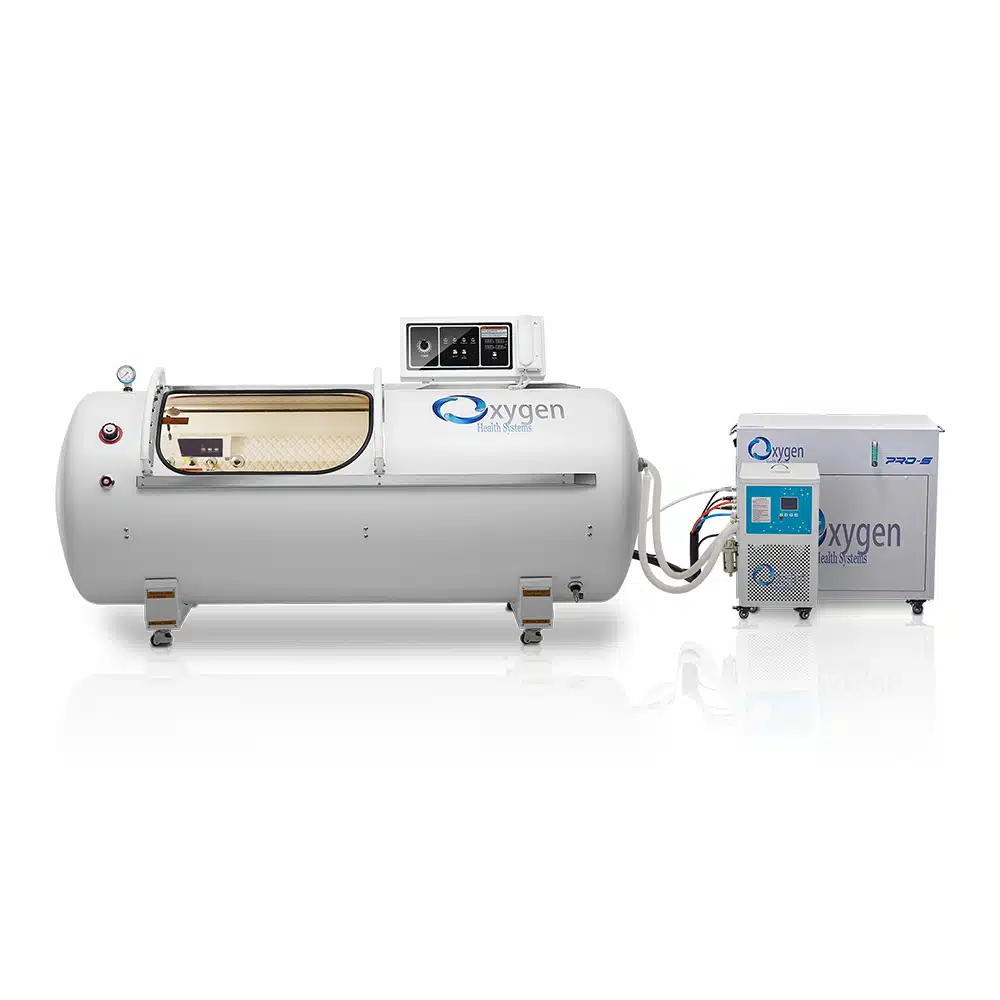
Confirm your electrical capacity before you order. Hard chambers with built-in compressors, oxygen generators, and climate control draw meaningfully more power than a simple soft chamber setup. Check the specific unit’s electrical requirements against your room’s existing circuits, and budget for an electrician’s visit if the room needs a dedicated circuit, which is common for hard-shell equipment.
Ventilation keeps the room comfortable, not just the chamber. Even with a chamber’s own air conditioning and dehumidification handling the interior, the surrounding room benefits from decent airflow, particularly if the recovery room is in a basement or other space without natural ventilation. This also matters for anyone pairing the chamber with other heat or humidity-producing equipment in the same room.
Noise is a real planning variable. Chamber operation, compressor cycling, and climate control all generate some sound. Look for equipment that specifies its operating noise level, and if the recovery room shares a wall with a bedroom or home office, factor that into both placement and your expectations for use at certain hours.
Designing the room around a full recovery stack
A biohacking recovery room rarely holds just a hyperbaric chamber. Most serious home setups build the chamber into a broader stack of recovery tools, and planning for that from the start avoids a room that feels cramped or improvised later.
Common pairings include a sauna or cold plunge nearby, since many home biohackers cycle between heat, cold, and hyperbaric oxygen as part of the same recovery routine. If you are planning for this, think through the sequencing (most people prefer finishing a hot or cold modality before settling into a longer hyperbaric session) and make sure humidity from a sauna or cold plunge area will not affect the chamber’s electronics or interior materials if they share a room.
Lighting and sound change how a session feels. Many home chambers, including OHS’s hard chamber lineup, support interior customization, and pairing that with intentional room lighting (dimmable, warm-toned) and a way to play music or a show during a session makes a real difference in whether a 60 to 90 minute session feels like a chore or a genuine recovery ritual.
Storage and prep space keep the room functional. A small shelf or cabinet for masks, hoods, a water bottle, and a book or tablet keeps session prep simple and reduces the friction that causes home equipment to go unused after the first few weeks.
Matching chamber type to a home recovery room
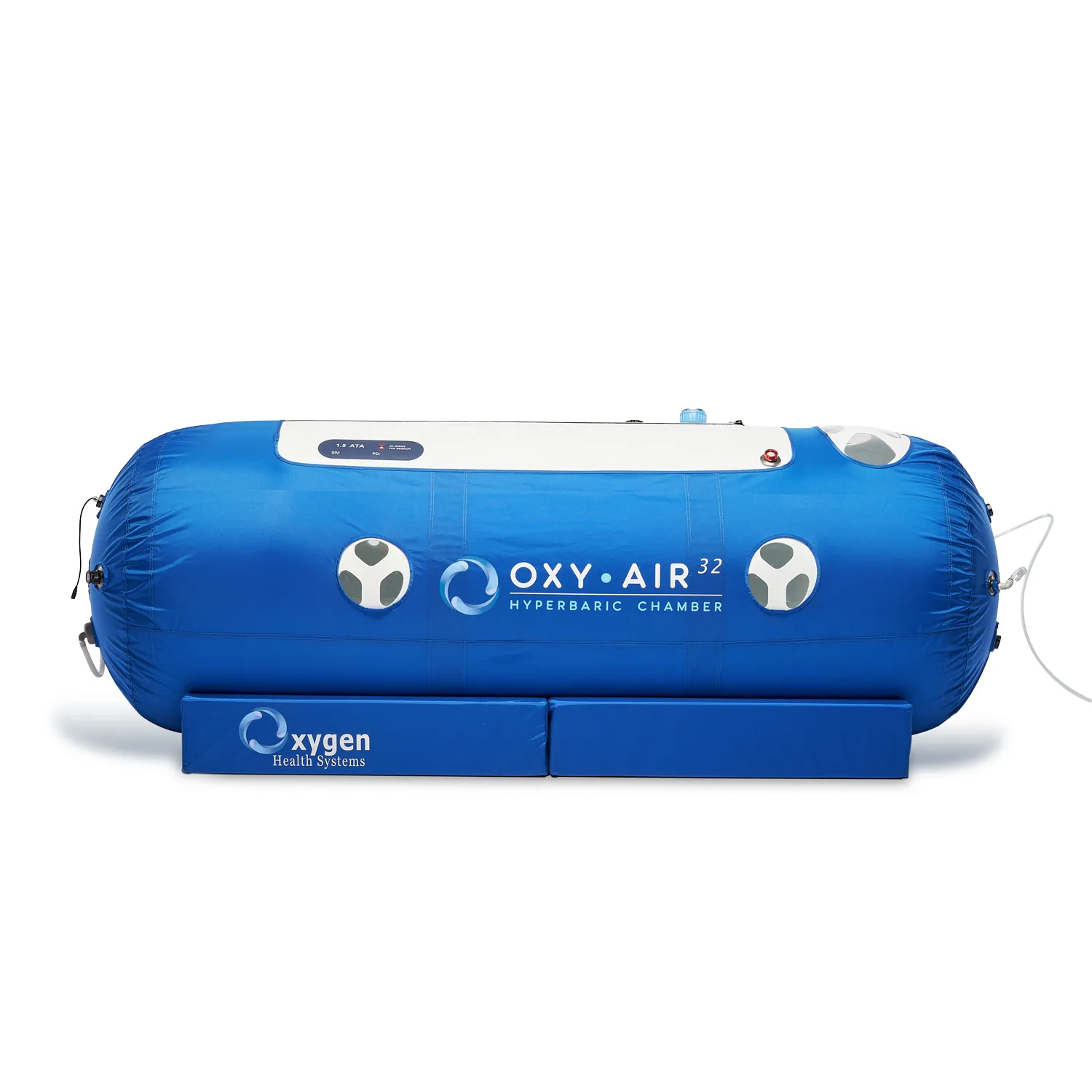
Soft chambers fit the smallest footprints and budgets. For a room with limited ceiling height or a more modest budget, a soft, lying or sitting chamber in the 1.3 ATA range remains the most accessible way to start a home hyperbaric routine, and it is the easiest category to fit into a shared or multi-purpose room.
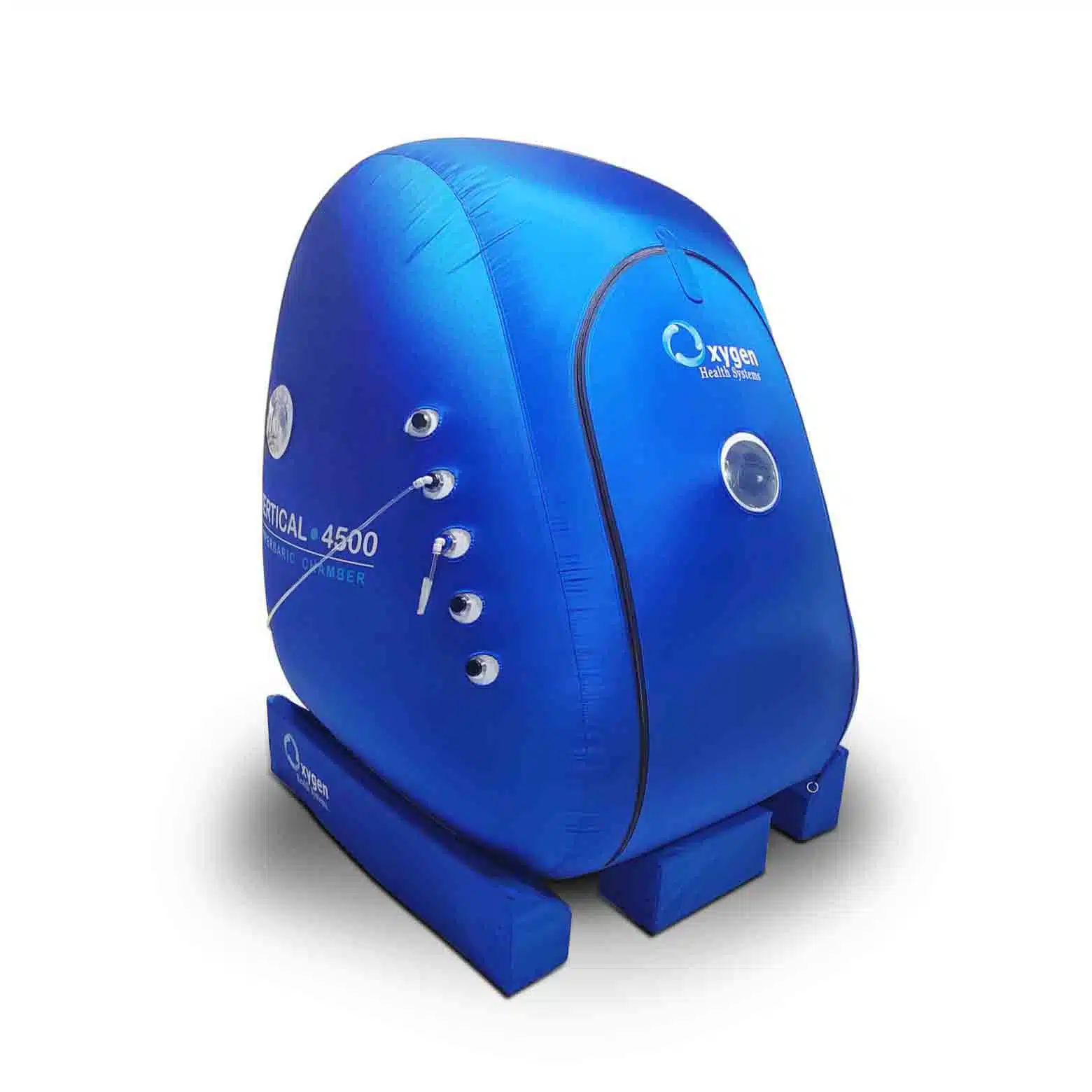
Compact vertical hard chambers fit a dedicated nook. A single-user vertical hard chamber gives more pressure range and hardware features (single-touch pressure selection, auto-depressurization, timers) than a soft chamber, in a footprint closer to a large chair than a lying unit, which suits a corner of a converted room well.
Flagship vertical hard chambers deserve a fully dedicated room. A 2.0 ATA chamber like the 57″ Vital Sphere 360, built for serious daily use and configurable as a single-seat or dual-seat setup, is substantial enough that it generally warrants its own dedicated space rather than a shared multi-purpose room, both for the equipment itself and for the kind of consistent, ritualized use that makes a recovery investment like this pay off.
A simple planning checklist before you buy
Before placing an order, confirm: available ceiling height and floor space at the exact spot the chamber will live, your room’s existing electrical capacity and whether an upgrade is needed, a flooring surface that can bear the equipment’s weight long-term, a ventilation plan if the room lacks natural airflow, noise tolerance for the room’s location in your home, and how the chamber will fit alongside any other recovery equipment you plan to use in the same space.
Common questions
Do I need a fully dedicated room for a home hyperbaric chamber? Not necessarily for a soft chamber or compact vertical unit, which can often share a multi-purpose room. A larger 2.0 ATA hard chamber generally benefits from its own dedicated space, both practically and for building a consistent routine around it.
Can a hyperbaric chamber go in a basement? Often, yes, as long as ceiling height, electrical capacity, and ventilation are confirmed first. Basements are a common choice for home recovery rooms, but humidity and airflow deserve extra attention in that kind of space.
What electrical work should I expect before installation? This depends on the specific chamber. Hard-shell units with built-in compressors and climate control typically need more dedicated electrical capacity than a basic soft chamber. Confirm requirements with the manufacturer before finalizing your room plan.
Should I plan the room around just the chamber, or the whole recovery routine? Plan for the whole routine if you can. Rooms built only around the chamber itself often feel cramped once you add a sauna, cold plunge, or other equipment later. Thinking through the full stack up front, even if you add pieces over time, leads to a better long-term space.
The bottom line
A biohacking recovery room built around a home hyperbaric chamber works best when the room is planned with the same care as the chamber purchase itself: real measurements, confirmed electrical and ventilation capacity, and a clear sense of how the chamber fits alongside the rest of a recovery routine. Oxygen Health Systems offers soft, compact vertical, and flagship 2.0 ATA hard chamber options built for exactly this kind of home planning, so the right fit depends on your space and your routine, not just the chamber’s spec sheet.
Oxygen Health Systems has been designing hyperbaric chambers in the United States for over ten years, with soft and hard chamber options built for home installation.
Explore the full Oxygen Health Systems chamber lineup
Schedule a free consultation with an Oxygen Health Systems specialist
Oxygen Health Systems | Woodridge, Illinois | Ships from the US | ISO 9001, ISO 13485, ISO 14001 Certified | ASME Code Compliant | Three-Year Manufacturer’s Warranty